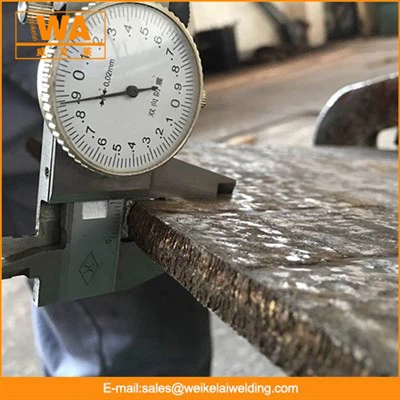
Welding recondition is a crucial process in various industries, especially when it comes to extending the lifespan of equipment and ensuring its optimal performance. As a leading welding recondition supplier, we understand the importance of safety in this process. In this blog, we will discuss the essential safety precautions for welding recondition to protect both the workers and the equipment.
Personal Protective Equipment (PPE)
One of the fundamental safety measures in welding recondition is the proper use of personal protective equipment. Welders are exposed to numerous hazards, including intense light, heat, sparks, and harmful fumes. Therefore, wearing appropriate PPE is non - negotiable.
- Welding Helmets: A high - quality welding helmet is essential. It should have a proper shade lens to protect the eyes from the intense ultraviolet (UV) and infrared (IR) radiation produced during welding. The shade number should be selected based on the welding process and amperage used. For example, for shielded metal arc welding (SMAW) at lower amperages, a shade 10 - 12 might be sufficient, while for higher amperages, a darker shade like 14 may be required.
- Protective Clothing: Welders should wear fire - resistant clothing made of materials such as leather or heavy - duty cotton. These materials can prevent burns from sparks and molten metal. Long - sleeved shirts, pants without cuffs (to prevent sparks from getting trapped), and leather aprons are commonly used. Gloves made of leather are also necessary to protect the hands from heat, cuts, and abrasions.
- Respiratory Protection: Welding produces fumes that can be harmful if inhaled. Depending on the type of welding and the materials being welded, different types of respiratory protection may be required. For example, when welding stainless steel, which can produce hexavalent chromium fumes, a respirator with appropriate filters is necessary. In some cases, a powered air - purifying respirator (PAPR) may be the best option to ensure clean air supply.
Workspace Safety
The workspace where welding recondition takes place also needs to be carefully set up to ensure safety.
- Ventilation: Adequate ventilation is crucial to remove welding fumes from the workspace. Natural ventilation can be enhanced by opening windows and doors, but in many cases, mechanical ventilation systems are required. Local exhaust ventilation (LEV) systems, such as fume extractors, can be placed near the welding area to capture fumes at the source. This not only protects the welder's health but also improves the overall air quality in the workspace.
- Fire Prevention: Welding involves heat and sparks, which can easily start a fire. The workspace should be free of flammable materials. A fire extinguisher suitable for welding fires (such as a dry chemical or carbon dioxide extinguisher) should be readily available. Additionally, a fire - resistant barrier or curtain can be used to contain sparks and prevent them from spreading to other areas.
- Floor and Equipment Stability: The floor should be clean, dry, and free of obstacles. Welding equipment should be properly installed and maintained. Cables should be in good condition, without any frays or exposed wires. Welding machines should be grounded correctly to prevent electrical shocks.
Equipment Safety
The welding equipment itself needs to be maintained and used safely.
- Regular Inspections: All welding equipment, including welding machines, torches, and cables, should be inspected regularly. Any signs of damage, such as cracks in the torch or frayed cables, should be addressed immediately. Faulty equipment can not only lead to poor welding quality but also pose a safety risk.
- Proper Operation: Welders should be trained to operate the equipment correctly. This includes setting the correct welding parameters, such as voltage, amperage, and wire feed speed. Incorrect settings can lead to unstable arcs, which can cause spatter and increase the risk of burns.
Specific Safety Precautions for Different Welding Recondition Projects
Coal Pulverizer Tables
When performing welding recondition on Coal Pulverizer Tables, additional safety precautions are needed. Coal pulverizer tables are often large and heavy, and the welding process may involve working in confined spaces or at heights.
- Confined Space Safety: If the welding is done inside the coal pulverizer, proper confined space entry procedures should be followed. This includes testing the air quality for oxygen levels, combustible gases, and toxic substances. A permit - to - enter system should be in place, and a standby person should be present outside the confined space to monitor the welder's safety.
- Height Safety: When working at heights on coal pulverizer tables, fall protection equipment such as safety harnesses and guardrails should be used. The work area should be secured to prevent tools and materials from falling.
Repair Coal Mill Table Liners
Repairing Repair Coal Mill Table Liners also has its own set of safety challenges. Coal mill table liners are exposed to high - pressure coal dust, which can be explosive.
- Dust Control: Before starting the welding process, the coal mill should be thoroughly cleaned to remove as much coal dust as possible. Dust collection systems should be in operation during the welding to prevent the accumulation of dust.
- Static Electricity Prevention: Coal dust can generate static electricity, which can lead to explosions. Grounding all equipment and using anti - static materials can help prevent static buildup.
Welding Recondition On Roller
For Welding Recondition On Roller, the shape and movement of the roller need to be considered.
- Roller Movement Safety: If the roller is in a rotating or moving state during the welding process, proper locking or immobilization devices should be used to prevent accidental movement. This can prevent the welder from being caught between the roller and other objects.
- Accessibility and Positioning: The welder should have easy access to the welding area on the roller. Adequate lighting and a stable working platform should be provided to ensure accurate and safe welding.
Training and Education
All workers involved in welding recondition should receive comprehensive training. This includes safety training on the use of PPE, workspace safety, equipment operation, and emergency procedures. Regular refresher courses should be provided to keep the workers updated on the latest safety standards and best practices.


Emergency Preparedness
Despite all the safety precautions, emergencies can still occur. Therefore, an emergency plan should be in place. This plan should include procedures for dealing with fires, electrical shocks, and other accidents. Workers should be trained on how to use emergency equipment such as first - aid kits and fire extinguishers.
Conclusion
Safety is of utmost importance in welding recondition. By following the safety precautions outlined above, we can protect our workers, ensure the quality of our welding recondition services, and prevent costly accidents. As a welding recondition supplier, we are committed to providing not only high - quality services but also a safe working environment.
If you are in need of welding recondition services for your equipment, whether it's coal pulverizer tables, coal mill table liners, or rollers, we are here to help. Our team of experienced welders follows strict safety protocols to ensure the best results. Contact us today to discuss your specific requirements and start a successful partnership.
References
- American Welding Society (AWS) Standards
- Occupational Safety and Health Administration (OSHA) Guidelines for Welding and Cutting