Hey there! As a supplier of Conveyor Wear Liners, I've seen firsthand how these seemingly small components can have a huge impact on a conveyor's load - carrying capacity. In this blog, I'm gonna break down the effects of conveyor wear liners on a conveyor's ability to handle heavy loads.
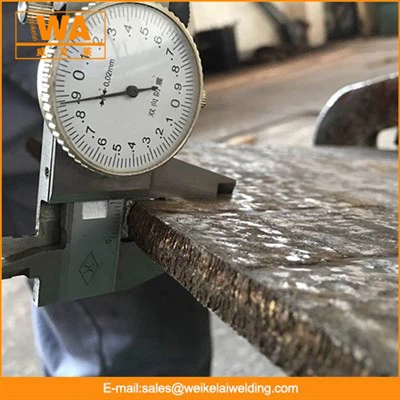
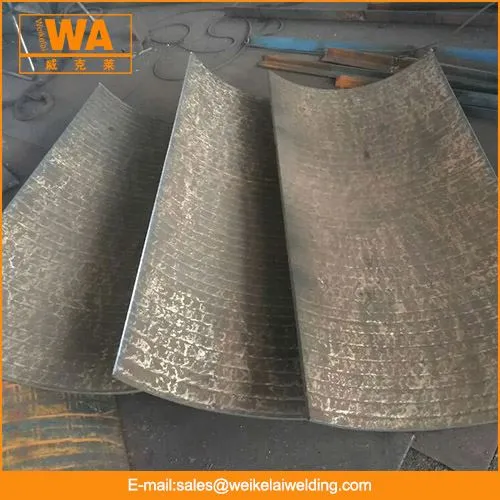
Let's start with the basics. Conveyor wear liners are materials installed on the inner surfaces of conveyor chutes, hoppers, and other parts to protect them from abrasion, impact, and corrosion. They come in different types, like Chute Wear Liners, Metallic Wear Liners, and Wear Protection Linings. Each type has its own unique properties that can affect the conveyor's load - carrying capacity.
1. Reducing Friction
One of the most significant effects of wear liners is reducing friction between the conveyed material and the conveyor structure. When there's less friction, the conveyor doesn't have to work as hard to move the load. Think about it like this: if you're pushing a heavy box across a rough floor, it takes a lot more effort than if you're pushing it across a smooth surface.

The same principle applies to conveyors. High - friction surfaces can cause the conveyor motor to draw more power, which not only increases energy consumption but also puts more stress on the conveyor components. Over time, this extra stress can lead to premature wear and tear, reducing the conveyor's overall load - carrying capacity.
Wear liners, especially those made of low - friction materials like ultra - high - molecular - weight polyethylene (UHMWPE), can significantly reduce this friction. By providing a smooth surface for the material to slide over, the conveyor can move the load more efficiently, allowing it to handle heavier loads without overworking the motor or other components.
2. Protecting Against Abrasion
Conveyed materials, especially those that are abrasive like coal, ore, or gravel, can cause significant damage to the conveyor structure. As the material rubs against the conveyor surfaces, it gradually wears away the metal, weakening the structure. This wear can lead to holes, cracks, and other structural issues that compromise the conveyor's ability to carry heavy loads.
Wear liners act as a sacrificial layer, taking the brunt of the abrasion instead of the conveyor structure. They're designed to be more resistant to wear than the underlying metal, so they can withstand the constant rubbing and scraping of the conveyed material. By protecting the conveyor from abrasion, wear liners help maintain the structural integrity of the conveyor, ensuring that it can continue to carry heavy loads safely and efficiently.
For example, metallic wear liners are often used in high - abrasion applications. They're made of hard, durable metals like stainless steel or manganese steel, which can resist the abrasive action of the conveyed material. These liners can extend the lifespan of the conveyor and prevent costly repairs and downtime, all while maintaining the conveyor's load - carrying capacity.
3. Enhancing Impact Resistance
In addition to abrasion, conveyed materials can also cause impact damage to the conveyor. When large or heavy pieces of material fall onto the conveyor, they can create a significant impact force that can deform or crack the conveyor structure. This damage can reduce the conveyor's load - carrying capacity and may even lead to complete failure in extreme cases.
Wear liners can help absorb and distribute this impact force, protecting the conveyor from damage. Some wear liners, like rubber liners, are particularly good at this. Rubber has excellent shock - absorbing properties, which means it can cushion the impact of the falling material and prevent it from causing damage to the conveyor.
By enhancing the conveyor's impact resistance, wear liners ensure that the conveyor can handle sudden impacts without suffering significant damage. This allows the conveyor to continue operating at its full load - carrying capacity, even in applications where there's a high risk of impact damage.
4. Preventing Material Build - Up
Material build - up on the conveyor surfaces can also have a negative impact on the conveyor's load - carrying capacity. When material accumulates on the conveyor, it adds extra weight and can cause blockages, which can slow down or even stop the conveyor.
Wear liners can help prevent material build - up. Many wear liners have smooth, non - stick surfaces that make it difficult for the material to adhere. For example, UHMWPE liners have a low surface energy, which means that materials are less likely to stick to them. This prevents the formation of material build - up, allowing the conveyor to operate smoothly and carry the maximum amount of load.
5. Improving Conveyor Alignment
Proper alignment is crucial for a conveyor to operate efficiently and carry heavy loads. Misaligned conveyors can cause uneven wear on the components, increase friction, and reduce the conveyor's load - carrying capacity. Wear liners can play a role in improving conveyor alignment.
Some wear liners are designed to be installed in a way that helps guide the conveyed material along the conveyor. They can act as a sort of track, keeping the material centered and preventing it from shifting to one side. This helps maintain proper alignment of the conveyor, reducing stress on the components and ensuring that the conveyor can carry heavy loads evenly.
6. Case Studies
Let me share a couple of real - world examples to illustrate the effects of wear liners on conveyor load - carrying capacity.
In a coal - mining operation, a conveyor was experiencing high energy consumption and frequent breakdowns. The conveyed coal was abrasive, causing significant wear on the conveyor structure. After installing UHMWPE wear liners, the friction between the coal and the conveyor was reduced by more than 50%. This led to a 30% reduction in energy consumption and a significant decrease in breakdowns. The conveyor was then able to carry heavier loads without overworking the motor, increasing its overall load - carrying capacity.
In another case, a gravel - processing plant was dealing with impact damage to its conveyor chutes. Large rocks were falling onto the chutes, causing cracks and deformations. By installing rubber wear liners, the impact force was absorbed, and the chutes were protected from damage. This allowed the conveyor to continue operating at full capacity, even when handling large, heavy rocks.
7. Choosing the Right Wear Liners
To maximize the effects of wear liners on the conveyor's load - carrying capacity, it's essential to choose the right type of liner for your specific application. Consider factors like the type of conveyed material (abrasive, non - abrasive, etc.), the operating conditions (temperature, humidity, etc.), and the conveyor's design and capacity.
If you're dealing with highly abrasive materials, metallic wear liners might be the best choice. For applications where impact resistance is a priority, rubber liners could be more suitable. And if you're looking to reduce friction and improve energy efficiency, low - friction liners like UHMWPE are a great option.
As a supplier of conveyor wear liners, I can help you select the right liners for your needs. We offer a wide range of wear liners, including chute wear liners, metallic wear liners, and wear protection linings. Our team of experts can assess your application and recommend the most appropriate liners to enhance your conveyor's load - carrying capacity.
Conclusion
In conclusion, conveyor wear liners have a profound impact on a conveyor's load - carrying capacity. By reducing friction, protecting against abrasion and impact, preventing material build - up, and improving conveyor alignment, wear liners can help your conveyor operate more efficiently, handle heavier loads, and last longer.
If you're looking to improve the performance of your conveyor and increase its load - carrying capacity, consider investing in high - quality wear liners. Contact us today to discuss your specific needs and find the perfect wear liners for your application. We're here to help you get the most out of your conveyor system.
References
- "Conveyor Belt Handbook" by Conveyor Equipment Manufacturers Association (CEMA)
- "Wear and Abrasion in Conveyor Systems" - Journal of Mining and Materials Processing
- "The Impact of Wear Liners on Conveyor Efficiency" - Industrial Conveyor Technology Magazine