If you've ever walked a welding supply shop or browsed flux-cored wire options online, you know there's no one-size-fits-all approach to this versatile process. As someone who's spent the last decade working with Flux Cored Arc (FCAW) systems-first as a field welder, then as part of a team that's supplied welders from small fabrication shops to heavy infrastructure projects-I've seen how choosing the right flux-cored wire chemistry can make a job go from frustrating to flawless. Weld quality, spatter levels, cleanup time, and even how well a weld holds up over years of use all hinge on matching your wire's chemistry to your base material, environment, and project requirements. Let's break down how to work with the most common flux-cored wire chemistries, plus the pitfalls and wins that come with each, so you can pick the right wire for your next task.


First, a quick refresher: flux-cored wire works by wrapping a metal core in a thin steel sheath, with a powdered flux inside that does a handful of critical jobs-shielding the weld pool from atmospheric contamination (think oxygen and nitrogen that cause porosity), removing impurities like sulfur or phosphorus, and adding alloying elements to strengthen the weld. Unlike solid MIG wire, you don't need external shielding gas for most flux-cored wires, which makes them perfect for outdoor projects or shops with ventilation limits. That flexibility is why Flux Cored Arc has become a staple for everything from farm repairs to bridge construction, and why we've invested so much time refining our wire chemistries to meet real-world needs.
Let's start with the most ubiquitous chemistry by far: mild steel flux-cored wire. Mild steel is the workhorse of fabrication-it's cheap, easy to form, and used for everything from trailer frames to automotive parts. Not all mild steel flux-cored wires are the same, though. Some are designed for self-shielded use (no gas required), while others pair with CO2 or mixed gas for smoother welds indoors. Self-shielded mild steel wire is great for outdoor jobs in wind, because the flux generates its own shielding gas, so even a 10-mph breeze won't break the weld pool's protection. But that convenience comes with a tradeoff: sometimes higher spatter, and a slightly rougher weld profile than gas-shielded options. Gas-shielded mild steel wire, on the other hand, produces less spatter and cleaner beads, making it ideal for projects where appearance matters, like decorative metalwork or cabinet fabrication.
If you're working with mild steel, there are a few key tips to remember. First, keep your amperage in check-too high, and the wire will burn back into your contact tip, causing downtime mid-job. For 0.035-inch wire (the most common size), aim for 150-250 amps for flat and horizontal positions, and drop it to 120-180 amps for vertical or overhead work. Second, don't skip prepping your base metal. Even though flux helps clean impurities, a dirty piece of steel with oil, rust, or paint will still lead to porous welds. A quick wire brush or grinder to remove surface gunk will go a long way. Finally, make sure you're using the right wire size for your application. Thinner wire (0.030 or 0.035 inches) works for thin gauge steel up to 1/4 inch, while thicker 0.045-inch wire is better for heavy structural steel. If you're looking for reliable mild steel options, our site has a dedicated page for Mild Steel Mig Welding Wire with breakdowns of self-shielded vs. gas-shielded options, plus specs for every wire size.
Next up: stainless steel flux-cored wire. This is a category where chemistry matters a lot more than you might think. Stainless steel is valued for corrosion resistance, but different grades (like 304, 316, 410) have different chromium, nickel, and molybdenum levels that require a matching wire chemistry to ensure the weld has the same corrosion resistance as the base metal. The biggest mistake new welders make here is grabbing a generic stainless wire and getting a weld that rusts prematurely. For example, 304 stainless base metal needs a 308 or 308L flux-cored wire-adding extra chromium to compensate for any loss during welding, which preserves the weld's corrosion resistance. 316 stainless, which has molybdenum to resist pitting in salt water, needs a 316L wire chemistry to keep that molybdenum level consistent.
Working with stainless flux-cored wire also requires different handling than mild steel. Stainless has higher thermal expansion, so it's more prone to warping, especially on thin sections. To fix that, use shorter weld passes (2-3 inches at a time) and let the metal cool between passes, or use a clamp to hold the pieces in place to prevent movement. You'll also want to keep your amperage a bit lower than you would for mild steel of the same thickness-too much heat can cause the stainless to lose its corrosion resistance. And one key tip: avoid using a wire feeder that's also used for mild steel, if possible. Stainless wire can pick up iron contamination from old contact tips or liners, which will cause rust spots on the weld. If you have to share equipment, be sure to change the contact tip and liner before switching to stainless. If you're in the market for stainless options, our Flux Core Stainless Steel Welding Wire and Stainless Flux Cored Welding Wire pages let you filter by grade and shielding type, so you can find the exact match for your project.
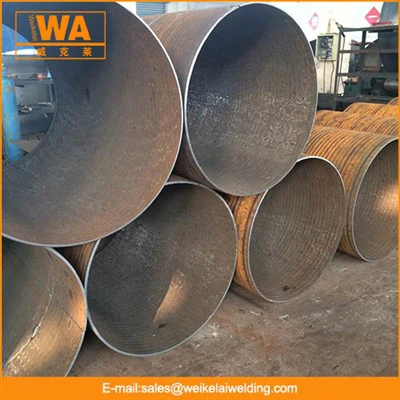
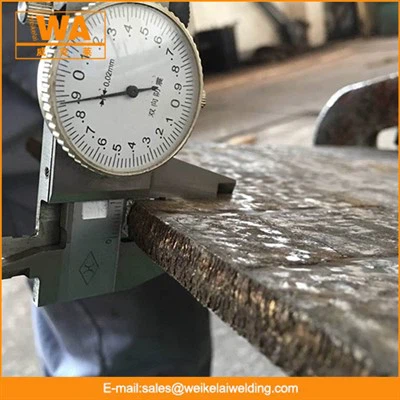
Then there are specialty flux-cored wire chemistries that are made for specific jobs, not just metal type. For example, hardfacing wires, which are designed to build up wear-resistant layers on parts like agricultural equipment tines, excavator buckets, or crane components. These wires have high levels of chromium, carbon, and sometimes vanadium that create a tough, abrasion-resistant weld that outlasts mild steel. Working with hardfacing wire is a bit different-since they're more alloyed, they're more brittle, so you have to use slow cooling to prevent cracking. Weld passes should be layered, with each pass slightly overlapping the last, to build a uniform, durable layer. Another specialty chemistry is low-hydrogen flux-cored wire, used for high-strength structural steel where hydrogen-induced cracking is a risk, especially on thick plates or in cold environments. These wires have lower hydrogen content than standard options, and often require preheating the base metal before welding to prevent cracking.
A common question I get from welders of all levels is: should I use self-shielded or gas-shielded flux-cored wire? The answer almost always comes down to environment. If you're working outdoors, in a shop without proper ventilation, or on a job site where setting up a gas cylinder is a hassle, self-shielded is the way to go. It's portable, no gas bottle to haul around, and works in almost any wind. If you're working indoors, on precise projects where weld appearance is important, or on materials thinner than 1/8 inch, gas-shielded flux-cored wire is better. Gas-shielded wires have a smoother arc, less spatter, and produce a cleaner, more uniform weld bead, which saves time on cleanup and makes for a better finished product. It's worth noting that gas-shielded flux-cored wire usually uses 100% CO2 shielding gas, which is cheaper than mixed gas for solid MIG wire, so you don't have to break the bank on gas costs.
I've seen firsthand how choosing the wrong wire chemistry can derail a project. A few years back, we had a customer who was welding a trailer frame out of 3/8-inch mild steel, and he grabbed some cheap stainless wire by mistake. He finished the job, delivered the trailer, and a month later the customer called saying the welds were rusting. It turned out he'd used a stainless wire on mild steel, which doesn't have the manganese and silicon needed for mild steel's strength, leading to weak, porous welds that corroded quickly. That mistake taught him a valuable lesson, and after switching to our mild steel self-shielded wire for similar jobs, he's had zero issues. That's why we focus on educating our customers, not just selling wire-because a good weld starts with the right chemistry, and knowing how to use it.
Another thing to consider when working with different flux-cored chemistries is storage. Flux-cored wire is sensitive to moisture, especially low-hydrogen or stainless wires. If moisture gets into the flux core, it can cause porosity, cracking, or excessive spatter. So make sure you store your wire in a dry place, and if a wire reel has been exposed to moisture, bake it at 250-300°F for 1-2 hours before use to drive out the moisture. That's a small step that can save you a lot of headache later.
If you're still not sure which chemistry is right for your project, don't hesitate to reach out. We've worked with welders from hobbyists to Fortune 500 companies, and we can help you narrow down the options based on your base metal, environment, project requirements, and even your budget. Whether you need mild steel wire for a farm repair, stainless wire for a food processing tank, or specialty hardfacing wire for construction equipment, we have a range of flux-cored wire options designed to get the job done right. You can browse all our flux-cored wire offerings on our Mig Welding Wire page, or learn more about the basics of the process on our Flux Cored Arc page.
At the end of the day, welding is as much about preparation as it is about skill, and choosing the right flux-cored wire chemistry is a key part of that preparation. Whether you're a seasoned welder or just getting started, taking the time to match your wire to your project will result in stronger, more durable welds, less downtime from defects, and less time spent cleaning up. If you have questions about any of our wire chemistries, or want to place an order to test a product for your next job, our team is here to help.