As a supplier of Hardox steel plates, I've witnessed firsthand the growing demand for high - quality wear - resistant materials in various industries. One of the frequently asked questions from our customers is about the surface finish of Hardox steel plates. In this blog, I'll delve into the details of what the surface finish of Hardox steel plate is, its significance, and how it impacts different applications.
Understanding the Basics of Surface Finish
The surface finish of a steel plate refers to the characteristics of its surface, including roughness, texture, and flatness. It is not just about the aesthetic appearance but also has a profound influence on the performance and functionality of the steel plate. For Hardox steel plates, the surface finish is carefully controlled during the manufacturing process to meet specific requirements.
Hardox steel plates are known for their exceptional wear resistance, which is achieved through a combination of high - strength steel and advanced heat - treatment processes. The surface finish plays a crucial role in enhancing this wear resistance. A smooth surface finish can reduce friction when the plate comes into contact with other materials, minimizing wear and tear. On the other hand, a specific texture or pattern on the surface can be designed to improve grip or to direct the flow of materials in certain applications.
Types of Surface Finishes for Hardox Steel Plates
Smooth Surface Finish
A smooth surface finish is one of the most common types for Hardox steel plates. This finish is characterized by a low surface roughness, which gives the plate a shiny and even appearance. The smooth surface has several advantages. Firstly, it reduces the coefficient of friction, making it ideal for applications where the plate needs to slide against other surfaces. For example, in conveyor systems, a Smooth Wear Plate can ensure the smooth movement of materials, reducing energy consumption and minimizing the risk of jams.
Secondly, a smooth surface is easier to clean. In industries such as food processing or pharmaceuticals, where hygiene is of utmost importance, a smooth Hardox steel plate can be easily sanitized, preventing the accumulation of dirt, bacteria, and other contaminants.
Hardfacing Surface Finish
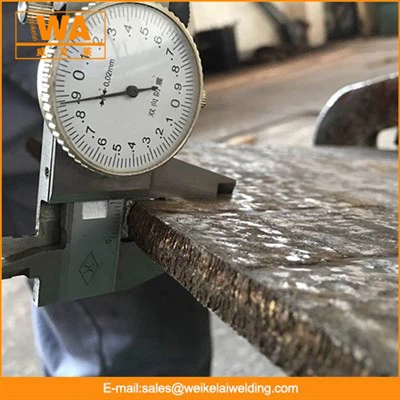
Hardfacing is a process where a layer of hard, wear - resistant material is applied to the surface of the steel plate. This creates a Hardfacing Wear Plate with enhanced wear resistance in specific areas. The hardfacing layer can be made of various materials, such as tungsten carbide or chromium carbide, depending on the application requirements.
Hardfacing is commonly used in applications where the plate is exposed to extreme wear, such as in mining equipment, earth - moving machinery, and crushing plants. The hardfacing layer acts as a sacrificial layer, protecting the base Hardox steel plate from direct abrasion and extending its service life.
Textured Surface Finish
A textured surface finish is designed to provide better grip or to control the flow of materials. This type of finish can be created through processes such as shot - blasting or laser - etching. In applications where slip resistance is crucial, such as on walkways or ramps, a textured Hardox steel plate can significantly reduce the risk of accidents.
In some industrial processes, a textured surface can also be used to direct the flow of liquids or powders. For example, in chemical processing plants, a plate with a specific texture can guide the movement of corrosive liquids, preventing spills and ensuring efficient processing.
Factors Affecting the Surface Finish of Hardox Steel Plates
Manufacturing Processes
The manufacturing process of Hardox steel plates has a direct impact on the surface finish. For example, during the rolling process, the quality of the rolls and the rolling parameters, such as temperature and pressure, can affect the smoothness of the plate surface. If the rolls are worn or not properly maintained, it may result in surface defects such as scratches or unevenness.
Heat - treatment processes also play a role. Improper heat - treatment can cause surface oxidation or scaling, which can affect the appearance and performance of the plate. Therefore, strict quality control measures are implemented during the manufacturing process to ensure a consistent and high - quality surface finish.
Post - Treatment Processes
Post - treatment processes, such as grinding, polishing, or coating, can further enhance the surface finish of Hardox steel plates. Grinding can be used to remove surface roughness and improve flatness, while polishing can give the plate a more reflective and smooth appearance. Coating can provide additional protection against corrosion and wear, and it can also modify the surface properties of the plate, such as reducing friction or improving adhesion.
Importance of Surface Finish in Different Applications
Construction Industry
In the construction industry, Hardox steel plates are used in various applications, such as building structures, bridges, and heavy - duty equipment. A smooth surface finish is often preferred for structural components as it not only provides an aesthetically pleasing appearance but also reduces the risk of corrosion by preventing the accumulation of moisture and debris.
For equipment such as excavators and bulldozers, a hardfacing or textured surface finish may be more suitable. Hardfacing can protect the components from wear caused by contact with rocks, soil, and other abrasive materials, while a textured surface can improve the grip on the ground, enhancing the stability and performance of the equipment.
Manufacturing Industry
In the manufacturing industry, Hardox steel plates are used in the production of machinery and tools. A smooth surface finish is essential for components that require precise machining, such as molds and dies. It ensures accurate dimensional control and smooth operation of the machinery.
For conveyor systems and material - handling equipment, a smooth or textured surface finish can improve the efficiency of material transfer. A smooth surface allows for easy movement of products, while a textured surface can prevent slippage, especially when handling heavy or irregularly shaped items.
Mining Industry
The mining industry places high demands on the wear resistance of steel plates. Hardox steel plates with a hardfacing surface finish are widely used in mining equipment, such as crushers, screens, and conveyor chutes. The hardfacing layer can withstand the severe abrasion caused by rocks, ores, and other abrasive materials, reducing maintenance costs and downtime.
In addition, a smooth surface finish may be required in some parts of the mining equipment to prevent the build - up of sticky materials, such as coal or clay, which can affect the performance of the equipment.
Quality Control of Surface Finish
As a Hardox steel plate supplier, we understand the importance of quality control in ensuring a consistent and high - quality surface finish. We have a comprehensive quality control system in place, which includes inspection at every stage of the manufacturing process.
Before the plates are shipped to our customers, they undergo a series of surface inspections. We use advanced measuring instruments, such as profilometers, to measure the surface roughness and ensure that it meets the specified requirements. Visual inspections are also carried out to detect any surface defects, such as cracks, scratches, or pits.
Choosing the Right Surface Finish for Your Application
When choosing the surface finish for your Hardox steel plate, several factors need to be considered. Firstly, you need to understand the specific requirements of your application. If your application involves high - speed sliding or requires easy cleaning, a smooth surface finish may be the best choice. If your application is exposed to extreme wear, a hardfacing surface finish can provide the necessary protection.


Secondly, cost is also an important factor. Hardfacing and some post - treatment processes can increase the cost of the steel plate. Therefore, you need to balance the performance requirements with the budget constraints.
Conclusion
The surface finish of Hardox steel plates is a critical aspect that affects their performance, functionality, and appearance. Whether it's a smooth, hardfacing, or textured surface finish, each type has its own advantages and is suitable for different applications. As a supplier of Hardox steel plates, we are committed to providing our customers with high - quality products with the right surface finish to meet their specific needs.
If you are in need of Hardox steel plates and want to discuss the surface finish options for your application, please feel free to contact us. Our team of experts is ready to assist you in making the best choice and ensuring a successful procurement process.
References
- "Steel Plate Manufacturing and Surface Treatment" - Industry Handbook
- "Wear Resistance of Hardox Steel in Different Surface Conditions" - Research Paper
- "Surface Finish Standards for Industrial Steel Products" - International Standard Document