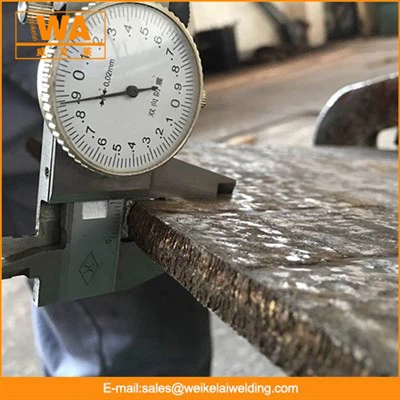
Hey there! I'm a supplier of Bimetal Wear Plate, and today I wanna chat about how this awesome product performs in steel - making equipment.
Steel - making is a tough industry. The equipment used in it has to endure some seriously harsh conditions. High temperatures, intense pressure, and constant abrasion are just the norm. That's where our Bimetal Wear Plate comes in as a real game - changer.
First off, let's talk about what bimetal wear plate is. It's basically a combination of two different metals, each bringing its own unique properties to the table. One metal is usually chosen for its high - strength and heat - resistance, while the other is great at resisting abrasion. This combination makes it ideal for steel - making equipment, which has to deal with both high - heat and abrasive materials on a daily basis.
In the steel - making process, there are several key pieces of equipment where our Bimetal Wear Plate really shines.
Ladles
Ladles are used to transport and pour molten steel. They're exposed to extremely high temperatures and the abrasive nature of the molten metal. Our bimetal wear plate can handle these conditions like a champ. The high - heat - resistant layer protects the plate from warping and melting, while the abrasion - resistant layer keeps it from getting worn down by the flowing molten steel. This means longer service life for the ladles, reducing the need for frequent replacements and saving you money in the long run.
Converters
Converters are used to refine the molten steel. They operate under high - pressure and high - temperature conditions, and the steel inside is constantly moving and churning. This creates a lot of abrasion on the converter walls. With our bimetal wear plate lining the converters, you get a reliable shield against this abrasion. It can withstand the constant impact of the steel and slag, maintaining its integrity and ensuring the converter functions efficiently.
Tundishes
Tundishes are intermediate containers that control the flow of molten steel from the ladle to the continuous casting molds. They also face high - temperature and abrasive challenges. The bimetal wear plate installed in tundishes provides excellent thermal insulation and abrasion resistance. It helps to maintain a consistent flow of molten steel and prevents any leakage due to wear and tear.
Now, let's dig a bit deeper into the technical aspects of how our bimetal wear plate performs.
Heat Resistance
The heat - resistant layer of our bimetal wear plate is made from specially selected metals that can withstand the high temperatures in steel - making. These metals have a high melting point and good thermal stability. They prevent the plate from losing its shape or strength under extreme heat. For example, some of the alloys we use can handle temperatures up to [X] degrees Celsius without significant deformation. This is crucial in steel - making, where temperatures can easily reach over 1500 degrees Celsius.
Abrasion Resistance
The abrasion - resistant layer is designed to resist the constant rubbing and scraping caused by the steel and slag. We use [specific abrasion - resistant metals] that have a high hardness and toughness. This layer can withstand the impact of solid particles in the molten steel and the sliding wear from the flowing metal. It reduces the surface wear rate significantly, compared to traditional materials. For instance, in some tests, our bimetal wear plate showed up to [X]% less wear than regular steel plates over a certain period of time.
Bonding Strength
One of the key factors in the performance of bimetal wear plate is the bonding strength between the two layers. Our manufacturing process ensures a strong and reliable bond between the high - heat - resistant layer and the abrasion - resistant layer. This bond prevents delamination, which could lead to premature failure of the plate. We use advanced welding and bonding techniques to achieve a seamless connection between the two metals, ensuring they work together effectively to provide optimal performance.
When it comes to choosing the right bimetal wear plate for your steel - making equipment, there are a few things to consider.
Thickness
The thickness of the bimetal wear plate depends on the specific application and the severity of the conditions. For equipment that faces more extreme abrasion and heat, a thicker plate may be required. However, it's important to balance the thickness with the weight and cost. Our team can help you determine the right thickness based on your equipment's needs.


Size and Shape
We can customize the size and shape of the bimetal wear plate to fit your specific equipment. Whether you need a large, flat plate for a ladle or a curved plate for a converter, we can produce it to your exact specifications. This ensures a perfect fit and maximum performance.
Quality Standards
We adhere to strict quality standards in the production of our bimetal wear plates. All our products are thoroughly tested for heat resistance, abrasion resistance, and bonding strength. We also provide detailed quality certificates to give you peace of mind.
If you're in the market for high - quality bimetal wear plates for your steel - making equipment, look no further. We're here to offer you the best solutions. Our bimetal wear plates are not only high - performing but also cost - effective. They can significantly improve the efficiency and reliability of your steel - making process.
For more information about our products, you can check out our related pages: CCO Wear Plate, Abrasion Resistant Metals, and Wear Steel Plate.
If you're interested in purchasing our bimetal wear plates or have any questions, don't hesitate to get in touch. We're ready to have a detailed discussion with you and help you find the perfect solution for your steel - making equipment.
References
- "Handbook of Steel - Making Processes", [Author's Name], [Publication Year]
- "Abrasion and Corrosion Resistance in Industrial Applications", [Author's Name], [Publication Year]
- "Advanced Metals for High - Temperature and Abrasive Environments", [Author's Name], [Publication Year]