Hey there! As a supplier of Bent Cladding Pipe, I often get asked about how to test the quality of these pipes. It's a crucial question, especially when you're looking to invest in high - quality pipes for your projects. In this blog, I'll share some practical ways to test the quality of a bent cladding pipe.
Visual Inspection
The first and easiest way to start testing a bent cladding pipe is through a visual inspection. You don't need any fancy equipment for this. Just take a good look at the pipe.
Check for any visible cracks on the surface of the pipe. Cracks can weaken the pipe and make it more prone to failure. Look closely at the bends, as these areas are under more stress during the bending process and are more likely to develop cracks. Also, examine the cladding layer. It should be evenly applied without any signs of peeling or blistering. If you see any unevenness in the cladding, it could indicate poor bonding between the base pipe and the cladding material.
Another thing to look for is the smoothness of the pipe's surface. A rough surface might suggest improper manufacturing processes, which could affect the pipe's performance. Pay attention to the edges of the pipe as well. They should be cleanly cut and free from any sharp burrs that could cause problems during installation or operation.
Dimensional Measurement
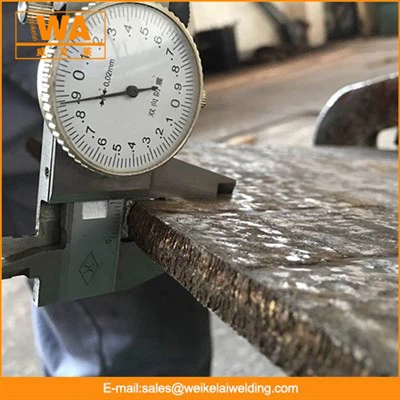
Accurate dimensions are essential for a bent cladding pipe to fit properly into your system. You'll need some basic measuring tools like a caliper or a micrometer for this.
Measure the outer diameter of the pipe at several points along its length, especially at the bends. Any significant variation in the outer diameter could lead to fitting issues. Also, measure the wall thickness of the pipe. Consistent wall thickness is crucial for maintaining the pipe's strength and durability. A thinner wall in some areas might make the pipe more vulnerable to wear and tear.
Check the radius of the bends. The bend radius should match the specifications provided by the manufacturer. An incorrect bend radius can affect the flow of fluids or gases through the pipe and might even cause additional stress on the pipe, leading to premature failure.
Hardness Testing
The hardness of a bent cladding pipe is an important indicator of its quality. A harder pipe is generally more resistant to wear and abrasion. There are a few different methods to test the hardness of the pipe.
One common method is the Rockwell hardness test. This test involves applying a specific load to the surface of the pipe using a diamond cone or a steel ball indenter. The depth of the indentation is then measured, and the hardness value is determined based on this measurement. Another method is the Brinell hardness test, which uses a hardened steel ball to make an indentation on the pipe's surface.
You can perform hardness testing at different points on the pipe, including the base material, the cladding layer, and the heat - affected zone near the bends. This will give you a better understanding of the pipe's overall hardness distribution. A consistent hardness across the pipe indicates proper heat treatment and manufacturing processes.
Bond Strength Testing
The bond between the base pipe and the cladding layer is critical for the performance of a bent cladding pipe. A weak bond can cause the cladding to separate from the base pipe, leading to reduced wear resistance and potential system failures.
One way to test the bond strength is through a peel test. In this test, a small section of the cladding is peeled off from the base pipe, and the force required to do so is measured. A higher peel force indicates a stronger bond. Another method is the shear test, where a force is applied parallel to the interface between the base pipe and the cladding to measure the shear strength of the bond.
It's also a good idea to perform non - destructive testing methods like ultrasonic testing to detect any hidden flaws or delaminations in the bond. Ultrasonic waves are sent through the pipe, and any changes in the wave pattern can indicate problems with the bond.
Wear Resistance Testing
Since many bent cladding pipes are used in applications where they are exposed to abrasive materials, wear resistance is a key factor to consider. There are several ways to test the wear resistance of a pipe.
One common method is the pin - on - disk test. In this test, a small pin is pressed against the surface of the pipe while the pipe rotates. The amount of material worn off from the pipe's surface after a certain number of rotations is measured. This gives you an idea of how well the pipe can withstand wear.
Another method is the slurry erosion test. In this test, the pipe is exposed to a slurry containing abrasive particles. The pipe's weight loss over a specific period is measured to evaluate its wear resistance. The results of these tests can help you determine if the pipe is suitable for your particular application.
Chemical Analysis
The chemical composition of a bent cladding pipe can have a significant impact on its quality and performance. You can send a sample of the pipe to a laboratory for chemical analysis.
The analysis will reveal the presence of different elements in the pipe, such as carbon, manganese, chromium, and nickel. These elements can affect the pipe's strength, hardness, and corrosion resistance. For example, a higher chromium content in the cladding layer can improve the pipe's resistance to corrosion.

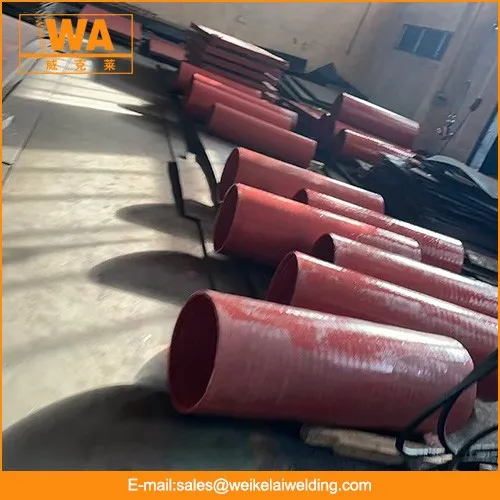
Make sure the chemical composition of the pipe matches the specifications provided by the manufacturer. Any deviation from the specified composition could indicate a problem with the manufacturing process or the quality of the raw materials used.
Hydrostatic Testing
Hydrostatic testing is a common method to test the pressure - holding capacity of a bent cladding pipe. This test involves filling the pipe with water and then pressurizing it to a predetermined level.
The pipe should be able to withstand the test pressure for a specified period without any leaks or failures. During the test, carefully monitor the pressure gauge to ensure that the pressure remains stable. Any sudden drop in pressure could indicate a leak in the pipe.
Hydrostatic testing can also help detect any weaknesses in the pipe's structure, such as hidden cracks or defects that might not be visible during a visual inspection. It's a reliable way to ensure that the pipe can handle the pressure requirements of your system.
Non - Destructive Testing (NDT)
Non - destructive testing methods are useful for detecting internal flaws in a bent cladding pipe without damaging it. Some common NDT methods include:
- Ultrasonic Testing (UT): As mentioned earlier, UT uses high - frequency ultrasonic waves to detect flaws inside the pipe. It can detect cracks, voids, and other internal defects that might not be visible on the surface.
- Magnetic Particle Testing (MT): This method is used to detect surface and near - surface defects in ferromagnetic materials. A magnetic field is applied to the pipe, and magnetic particles are then applied to the surface. Any defects will cause the magnetic particles to accumulate, making the defects visible.
- Radiographic Testing (RT): RT uses X - rays or gamma rays to create an image of the inside of the pipe. This can help detect internal defects such as porosity, inclusions, or cracks.
NDT methods are especially important for pipes that will be used in critical applications where any internal defect could have serious consequences.
Conclusion
Testing the quality of a bent cladding pipe is a multi - step process that involves a combination of visual inspection, dimensional measurement, hardness testing, bond strength testing, wear resistance testing, chemical analysis, hydrostatic testing, and non - destructive testing. By performing these tests, you can ensure that you're getting a high - quality pipe that will meet your specific requirements.
If you're in the market for Wear Resistant Pipe, Hardfacing Abrasion Elbows, or Cco Abrasion Pipe, I'd be more than happy to assist you. We offer a wide range of high - quality bent cladding pipes that have been thoroughly tested to ensure their performance and durability. If you have any questions or would like to discuss your specific needs, don't hesitate to reach out for a procurement discussion.
References
- ASME B31.3 Process Piping Code
- ASTM Standards for Pipe Testing
- API Standards for Oil and Gas Pipeline Systems