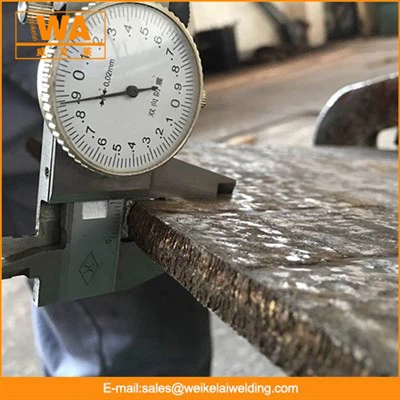
Alloy steel plates are a cornerstone in various industrial applications, from construction and manufacturing to heavy machinery and automotive sectors. One of the critical aspects that often goes unnoticed but significantly impacts the performance and longevity of these plates is their surface finish. As a leading supplier of alloy steel plates, I understand the importance of surface finish and its implications for our clients. In this blog, I will delve into what the surface finish of alloy steel plates is, why it matters, and the different types of surface finishes available.
Understanding Surface Finish
Surface finish refers to the texture of a surface created by the manufacturing process. It is a measure of the smoothness, roughness, or waviness of the surface of the alloy steel plate. The surface finish is determined by several factors, including the machining operations used during production, the quality of the raw materials, and any post-treatment processes applied.
The surface finish of an alloy steel plate can have a profound impact on its functionality. A smooth surface finish can reduce friction, which is crucial in applications where the plate comes into contact with other moving parts. It can also enhance corrosion resistance by minimizing the surface area exposed to the environment. On the other hand, a rougher surface finish may be desirable in some applications, such as those requiring better adhesion for coatings or improved grip.


Why Surface Finish Matters
The surface finish of alloy steel plates is not just a cosmetic feature; it has several practical implications:
Corrosion Resistance
A well-finished surface can significantly improve the corrosion resistance of alloy steel plates. A smooth surface reduces the number of crevices and pores where moisture and corrosive agents can accumulate. This is particularly important in applications where the plates are exposed to harsh environmental conditions, such as in offshore structures, chemical processing plants, and marine vessels.
Wear Resistance
The surface finish can also affect the wear resistance of the plates. A smooth surface can reduce friction and wear when the plate is in contact with other materials. In applications where the plates are subject to high levels of abrasion, such as in mining equipment and earthmoving machinery, a wear-resistant surface finish can extend the service life of the plates. For more information on wear-resistant options, you can check out our Wear Resistant Steel.
Aesthetic Appeal
In some applications, the appearance of the alloy steel plates is important. A smooth and uniform surface finish can enhance the aesthetic appeal of the final product, making it more visually appealing. This is often the case in architectural and decorative applications.
Coating Adhesion
If the alloy steel plates are to be coated with paint, powder coating, or other protective coatings, the surface finish plays a crucial role in ensuring good adhesion. A rougher surface can provide more surface area for the coating to bond to, resulting in a more durable and long-lasting coating.
Types of Surface Finishes for Alloy Steel Plates
There are several types of surface finishes available for alloy steel plates, each with its own characteristics and applications:
Mill Finish
The mill finish is the most basic surface finish and is the result of the rolling process during manufacturing. It is a rough finish with visible mill marks. Mill finish plates are commonly used in applications where appearance is not a critical factor, such as in structural components and general fabrication.
Hot Rolled Pickled and Oiled (HRPO) Finish
HRPO finish is achieved by pickling the hot-rolled plates in an acid solution to remove scale and rust, followed by oiling to prevent further corrosion. This finish provides a smoother surface than the mill finish and is suitable for applications where a moderate level of surface quality is required, such as in automotive frames and agricultural machinery.
Cold Rolled Finish
Cold rolling involves passing the steel plates through rollers at room temperature, which reduces the thickness and improves the surface finish. Cold-rolled plates have a smooth and uniform surface with tight dimensional tolerances. They are commonly used in applications where a high level of precision and a good surface finish are required, such as in electrical appliances and automotive body panels.
Polished Finish
A polished finish is achieved by using abrasive materials to smooth and shine the surface of the alloy steel plates. There are different levels of polish, ranging from a simple buffed finish to a mirror-like finish. Polished plates are often used in applications where aesthetics are important, such as in architectural and decorative applications.
Hardfacing Finish
Hardfacing is a process of applying a hard, wear-resistant material to the surface of the alloy steel plate. This can be done using various methods, such as welding, thermal spraying, or cladding. Hardfacing can significantly improve the wear resistance of the plates, making them suitable for applications where they are subject to high levels of abrasion, such as in mining equipment and industrial machinery.
Chrome Carbide Plate Finish
Chrome carbide plates are a type of wear-resistant plate that has a high concentration of chrome carbide particles in the surface layer. These plates are known for their excellent wear resistance and are commonly used in applications where the plates are exposed to severe abrasion, such as in the mining and cement industries.
Factors Affecting Surface Finish
Several factors can affect the surface finish of alloy steel plates:
Manufacturing Process
The manufacturing process used to produce the plates has a significant impact on the surface finish. For example, hot rolling typically results in a rougher surface finish compared to cold rolling. The type of machining operations used, such as grinding, polishing, or hardfacing, can also affect the final surface finish.
Raw Materials
The quality of the raw materials used in the production of the alloy steel plates can influence the surface finish. Impurities in the steel, such as sulfur and phosphorus, can affect the surface quality and make it more difficult to achieve a smooth finish.
Post-Treatment Processes
Post-treatment processes, such as heat treatment, pickling, and coating, can also affect the surface finish. Heat treatment can change the microstructure of the steel, which can in turn affect its surface properties. Pickling can remove scale and impurities from the surface, while coating can improve the corrosion resistance and appearance of the plates.
Selecting the Right Surface Finish
When selecting the surface finish for alloy steel plates, it is important to consider the specific requirements of the application. Here are some factors to consider:
Application Requirements
The intended use of the plates will determine the type of surface finish required. For example, if the plates are used in a corrosive environment, a smooth and corrosion-resistant finish may be necessary. If the plates are subject to high levels of abrasion, a wear-resistant finish, such as hardfacing or chrome carbide, may be more appropriate.
Cost
The cost of the surface finish can vary depending on the type of finish and the manufacturing process involved. It is important to balance the cost of the finish with the performance requirements of the application.
Aesthetic Considerations
In some applications, the appearance of the plates is important. If aesthetics are a concern, a polished or coated finish may be preferred.
Conclusion
The surface finish of alloy steel plates is a critical factor that can significantly impact their performance, durability, and appearance. As a supplier of alloy steel plates, we offer a wide range of surface finishes to meet the diverse needs of our clients. Whether you need a basic mill finish for structural applications or a high-performance hardfacing finish for wear-resistant applications, we have the expertise and resources to provide you with the right solution.
If you are interested in learning more about our alloy steel plates and the available surface finishes, or if you have a specific application in mind and need advice on the best surface finish for your needs, please do not hesitate to contact us. We are here to help you make the right choice and ensure that you get the highest quality alloy steel plates for your project.
References
- ASM Handbook Volume 5: Surface Engineering. ASM International.
- Steel Plate Product Manual. Various steel manufacturers.
- Technical papers on surface finish and its impact on steel performance from industry conferences and research institutions.