Hey there! As a supplier of Conveyor Wear Liners, I often get asked if these liners are easy to install. Well, let's dive right into it and break it down.
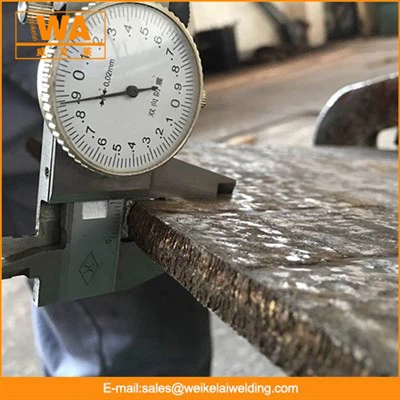
First off, what are Conveyor Wear Liners? They're essential components in conveyor systems. These liners are designed to protect the conveyor belts and other parts from wear and tear caused by the materials being transported. Whether it's abrasive rocks, heavy minerals, or even just regular industrial products, the wear liners play a crucial role in extending the lifespan of the conveyor system.
Now, let's talk about the installation process. In general, Conveyor Wear Liners are relatively easy to install, but it does depend on a few factors.
Factors Affecting Installation Ease
1. Type of Liner
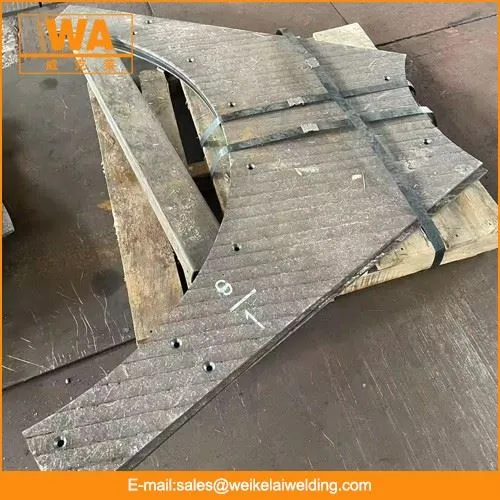
There are different types of Conveyor Wear Liners, such as Metallic Wear Liners. Metallic liners are often made of high - strength metals like steel. They're durable and can withstand a lot of abuse. Installing metallic liners usually involves bolting them onto the conveyor structure. The process is straightforward if you have the right tools and a basic understanding of how to work with metal. You'll need a drill, bolts, and a wrench. The holes in the liner and the conveyor structure need to be aligned properly, and then you simply tighten the bolts.
On the other hand, there are also non - metallic liners, like rubber or plastic liners. These are often used in applications where a softer touch is needed or where corrosion resistance is important. Rubber liners can be glued or mechanically fastened. Gluing requires a good adhesive and a clean surface. You need to make sure the surface of the conveyor is free of dirt, grease, and debris before applying the adhesive. Mechanical fastening, like using clips or screws, is also an option. It's a bit more forgiving in terms of installation compared to gluing, as you don't have to worry about the adhesive curing time.
2. Conveyor Design
The design of the conveyor itself can have a big impact on the installation of wear liners. If the conveyor has a simple, flat surface, it's much easier to install the liners. You can lay the liner down and secure it without having to deal with complex shapes or curves. However, if the conveyor has a more intricate design, such as a curved section or multiple levels, the installation can be a bit more challenging. You may need to cut the liner to fit the shape of the conveyor, which requires some skill and precision.
3. Installation Experience
Your level of experience also matters. If you've installed Conveyor Wear Liners before, you'll likely find the process easier. You'll know the common pitfalls and how to avoid them. For example, you'll know how to properly align the liner, how tight to make the bolts, and how to deal with any issues that may arise during installation. If you're new to it, it might take a bit more time and patience. But don't worry, with a bit of practice, you'll get the hang of it.
The Installation Steps
Let's go through the general steps for installing Conveyor Wear Liners.
Step 1: Preparation
Before you start installing the liners, you need to prepare the conveyor surface. Clean it thoroughly to remove any dirt, dust, or grease. This will ensure that the liner adheres properly or that the bolts have a good grip. You may also need to measure the area where the liner will be installed to make sure you have the right size.
Step 2: Positioning
Carefully position the liner on the conveyor surface. If it's a large liner, you may need some help to hold it in place. Make sure it's aligned correctly with the edges of the conveyor and any existing markings or guides.
Step 3: Securing
Depending on the type of liner, you'll secure it in different ways. If it's a metallic liner, use bolts to fasten it to the conveyor structure. Make sure the bolts are tightened evenly to prevent the liner from shifting. If it's a non - metallic liner, you can use adhesive or mechanical fasteners. Follow the manufacturer's instructions for the best results.
Step 4: Inspection
Once the liner is installed, inspect it to make sure it's properly secured and there are no gaps or loose areas. Check the edges to ensure they're smooth and there are no sharp edges that could cause damage to the conveyor belt or the materials being transported.
Benefits of Easy Installation
The fact that Conveyor Wear Liners are relatively easy to install brings several benefits. First of all, it saves time. You can get the liner installed quickly, which means less downtime for your conveyor system. This is crucial in industries where production is time - sensitive.
Secondly, it reduces the need for specialized labor. You don't need a highly trained technician to install the liners. With a bit of training, your in - house maintenance team can handle the installation. This can save you money on labor costs.
Lastly, easy installation means that you can replace the liners more frequently if needed. As the liners wear out, you can quickly install new ones without disrupting your operations too much.
Our Conveyor Wear Liners
At our company, we offer a wide range of Conveyor Wear Liners that are designed for easy installation. Our liners come in different materials and sizes to suit your specific needs. Whether you need a metallic liner for heavy - duty applications or a non - metallic liner for a more delicate operation, we've got you covered.
We also provide detailed installation instructions with each liner. Our team is always available to answer any questions you may have about the installation process. We want to make sure that you have a smooth and hassle - free experience when installing our wear liners.
Conclusion
So, are Conveyor Wear Liners easy to install? The answer is yes, in most cases. While there are some factors that can make the installation a bit more challenging, with the right tools, a bit of knowledge, and some practice, you can install them without too much trouble.

If you're in the market for Conveyor Wear Liners or Wear Protection Linings, don't hesitate to reach out. We're here to help you find the right liners for your conveyor system and guide you through the installation process. Contact us today to start the conversation and get the best wear liners for your needs.
References
- General knowledge about conveyor systems and wear liners from industry experience.
- Manufacturer's guidelines for conveyor wear liners.