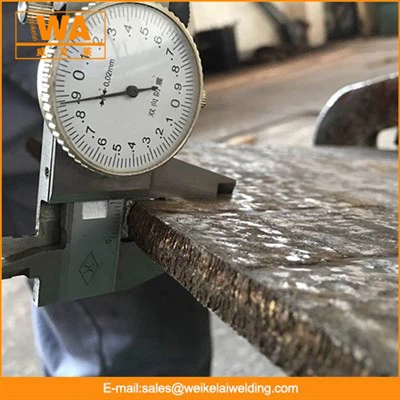
Puncture resistance is a crucial factor when considering wear liners, especially for those of us in the business of supplying these essential components. As a wear liners supplier, I've seen firsthand how the ability to withstand punctures can make or break the performance of these liners in various industrial applications.
Let's start by understanding what puncture resistance actually means. In simple terms, it's the ability of a wear liner to resist being pierced or penetrated by sharp objects or abrasive materials. This is incredibly important because in many industrial settings, wear liners are exposed to a wide range of materials, some of which can be quite sharp or jagged. For example, in mining operations, rocks and ores with sharp edges are constantly being transported through chutes, which are often lined with wear liners. If the liner doesn't have good puncture resistance, it can quickly get damaged, leading to costly repairs and downtime.
There are several factors that can affect the puncture resistance of wear liners. One of the most important is the material the liner is made from. Different materials have different levels of strength and toughness, which directly impact their ability to resist punctures. For instance, metallic wear liners, such as those made from high - manganese steel or chromium carbide, are known for their excellent puncture resistance. These metals are hard and durable, and can withstand the impact of sharp objects without getting easily pierced. You can learn more about Metallic Wear Liners on our website.
On the other hand, non - metallic wear liners, like rubber or polyurethane, also have their own advantages when it comes to puncture resistance. Rubber liners are flexible and can absorb the impact of sharp objects, distributing the force over a larger area. This reduces the likelihood of punctures. Polyurethane liners, meanwhile, are known for their high abrasion resistance and can also offer good puncture protection. They are often used in applications where a combination of flexibility and durability is required.
The thickness of the wear liner also plays a significant role in its puncture resistance. Generally speaking, a thicker liner will be more resistant to punctures than a thinner one. However, it's not just about adding more material. The thickness needs to be balanced with other factors such as weight and cost. For example, in some applications where weight is a concern, like in the aerospace industry, using an extremely thick wear liner may not be practical. So, finding the right thickness is a bit of a balancing act.
Another factor to consider is the design of the wear liner. Some liners are designed with special features to enhance their puncture resistance. For example, some liners may have a multi - layer construction, where each layer has a different function. One layer might be designed to absorb the impact, while another provides the necessary strength to prevent punctures. This kind of design can significantly improve the overall puncture resistance of the liner.
Now, let's talk about how puncture resistance affects the performance of wear liners in different applications. In chute systems, which are used to transport materials in industries like mining, cement, and food processing, puncture resistance is of utmost importance. Chutes are constantly exposed to the flow of materials, and any punctures in the liner can lead to leaks and material spillage. This not only causes a mess but can also be a safety hazard. That's why Chute Wear Liners with high puncture resistance are so essential. They ensure the smooth and efficient operation of the chute system.
In conveyor systems, wear liners are used to protect the conveyor belts from damage. Sharp objects on the conveyor can easily puncture the liner, and if the liner fails, it can cause the conveyor belt to wear out prematurely. A wear liner with good puncture resistance can extend the lifespan of the conveyor belt, reducing maintenance costs and downtime.
In storage bins and hoppers, wear liners are used to protect the walls from abrasion and puncture by the stored materials. If the liner is punctured, it can lead to corrosion of the bin or hopper walls, which can be a costly problem to fix. Wear Protection Linings with high puncture resistance can prevent these issues and ensure the long - term integrity of the storage facilities.
As a wear liners supplier, I know that choosing the right wear liner with the appropriate puncture resistance is crucial for our customers. We offer a wide range of wear liners made from different materials and with different designs to meet the specific needs of each application. Whether you're in the mining, manufacturing, or any other industry, we can help you find the perfect wear liner that offers the best puncture resistance for your situation.
If you're in the market for wear liners and want to discuss your specific requirements, we'd love to hear from you. Our team of experts is always ready to provide you with the best advice and solutions. Contact us to start a conversation about how we can help you with your wear liner needs and ensure the smooth operation of your industrial processes.
References


- Industrial Wear Liners: A Comprehensive Guide. Publisher: Industrial Materials Press.
- Handbook of Wear - Resistant Materials. Author: John Smith.