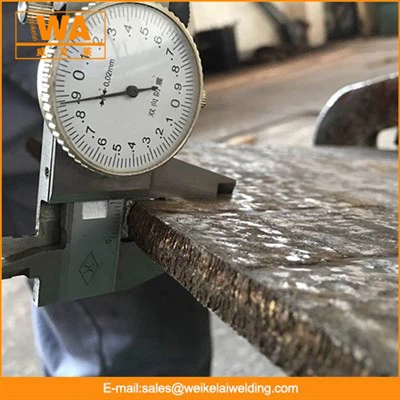
The lifespan of metallic wear liners is a crucial consideration for industries that rely on these components to protect their equipment from abrasion, impact, and corrosion. As a leading supplier of metallic wear liners, I've witnessed firsthand the diverse factors that influence how long these liners can effectively serve their purpose. In this blog, I'll delve into the intricacies of the lifespan of metallic wear liners, exploring the key determinants, typical lifespans in different applications, and strategies to maximize their longevity.
Factors Affecting the Lifespan of Metallic Wear Liners
Material Composition
The choice of material is perhaps the most fundamental factor influencing the lifespan of metallic wear liners. Different metals and alloys possess distinct properties that make them more or less suitable for specific applications. For instance, Chromium Alloy Steel Mill Liners are renowned for their high hardness and excellent wear resistance, making them ideal for use in ball mills and other high-impact applications. These liners can withstand the constant pounding and abrasion caused by the grinding media and the material being processed, resulting in a relatively long lifespan.
On the other hand, mild steel liners are more cost-effective but offer lower wear resistance compared to alloy steels. They are often used in less demanding applications where the level of abrasion and impact is relatively low. The material's chemical composition also plays a role in its resistance to corrosion, which can significantly reduce the lifespan of the liner in environments where moisture or corrosive substances are present.
Operating Conditions
The operating conditions under which the metallic wear liners are used have a profound impact on their lifespan. Factors such as the type of material being processed, the speed of operation, the temperature, and the presence of corrosive agents all contribute to the wear and tear of the liners.
In applications where the material being processed is highly abrasive, such as in mining and quarrying operations, the liners are subjected to intense wear. The sharp edges and hard particles of the ore or rock can quickly erode the surface of the liner, reducing its thickness and compromising its effectiveness. Similarly, high-speed operations can increase the impact forces on the liners, leading to faster wear and potential damage.
Temperature is another critical factor. Extreme temperatures can cause the metal to expand or contract, leading to stress and potential cracking. In high-temperature applications, such as in cement kilns or foundries, special heat-resistant alloys are often used to ensure the liners can withstand the thermal stress and maintain their integrity over time.
Installation and Maintenance
Proper installation and regular maintenance are essential for maximizing the lifespan of metallic wear liners. Incorrect installation can lead to uneven wear, stress concentrations, and premature failure of the liners. It is crucial to follow the manufacturer's guidelines during installation, ensuring that the liners are properly aligned, tightened, and secured.
Regular maintenance, including inspections, cleaning, and replacement of worn components, can help identify and address potential issues before they escalate. Inspections should be carried out at regular intervals to check for signs of wear, damage, or corrosion. Any worn or damaged liners should be replaced promptly to prevent further damage to the equipment and ensure the continued safe and efficient operation of the system.
Typical Lifespans in Different Applications
Mining and Quarrying
In the mining and quarrying industry, metallic wear liners are widely used in crushers, screens, conveyors, and mills to protect the equipment from the abrasive nature of the ore and rock. The lifespan of these liners can vary significantly depending on the specific application and the operating conditions.
Conveyor Wear Liners used in mining operations typically have a lifespan of 6 to 12 months, depending on the type of material being conveyed, the speed of the conveyor, and the level of abrasion. Liners in crushers and mills, which are subjected to higher impact forces and more severe abrasion, may need to be replaced every 3 to 6 months.
Cement and Construction
In the cement and construction industry, metallic wear liners are used in cement kilns, mills, and conveyors to protect the equipment from the high temperatures and abrasive nature of the cement and other construction materials. The lifespan of these liners can range from 1 to 2 years in cement kilns, where the operating conditions are particularly harsh, to 6 to 12 months in mills and conveyors.
Manufacturing and Processing
In manufacturing and processing industries, metallic wear liners are used in a variety of applications, such as in food processing, chemical manufacturing, and metalworking. The lifespan of these liners depends on the specific application and the operating conditions. In less demanding applications, such as in food processing, the liners may last for several years, while in more abrasive applications, such as in metalworking, they may need to be replaced every few months.
Strategies to Maximize the Lifespan of Metallic Wear Liners
Select the Right Material
Choosing the appropriate material for the specific application is crucial for maximizing the lifespan of metallic wear liners. Consider the type of material being processed, the operating conditions, and the level of abrasion and impact when selecting the liner material. Consult with a knowledgeable supplier or engineer to determine the best material for your needs.
Optimize Operating Conditions
Where possible, optimize the operating conditions to reduce the wear and tear on the liners. This may include adjusting the speed of operation, reducing the feed rate, or using lubricants or additives to reduce friction and abrasion. In high-temperature applications, ensure proper cooling and ventilation to prevent thermal stress.

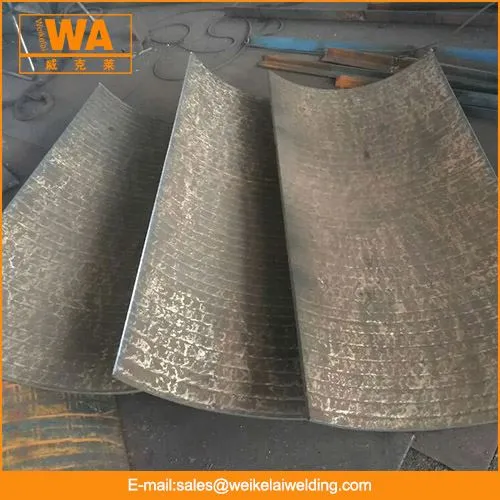
Implement a Preventive Maintenance Program
Establish a regular preventive maintenance program to ensure the liners are inspected, cleaned, and maintained on a consistent basis. This can help identify and address potential issues before they cause significant damage to the liners or the equipment. Keep detailed records of the maintenance activities, including inspections, repairs, and replacements, to track the performance of the liners over time.
Conclusion
The lifespan of metallic wear liners is influenced by a variety of factors, including material composition, operating conditions, installation, and maintenance. By understanding these factors and implementing appropriate strategies, industries can maximize the lifespan of their wear liners, reduce downtime, and improve the overall efficiency and productivity of their operations.
If you are in need of high-quality metallic wear liners or have any questions about their lifespan and performance, please feel free to contact us. Our team of experts is always ready to assist you in selecting the right liners for your specific application and providing you with the support and guidance you need to ensure their long-term success.
References
- "Wear Resistance of Metals and Alloys" by ASM International
- "Handbook of Tribology: Materials, Coatings, and Surface Treatments" by Bharat Bhushan
- "Industrial Wear and Erosion: Testing, Protection, and Prevention" by Peter L. Mulugeta