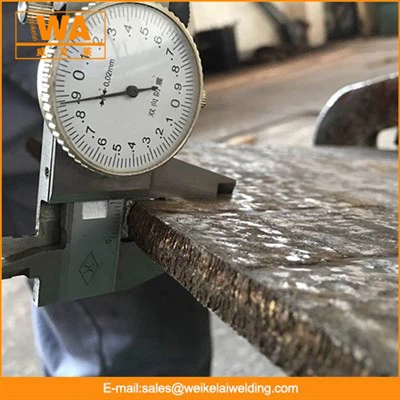
Inspection intervals for hardfaced pipes play a crucial role in maintaining their performance, safety, and longevity. As a dedicated hardfacing pipe supplier, we understand the significance of these intervals and how they can impact the overall operation of your projects. In this blog, we will delve into the factors that influence inspection intervals and provide some general guidelines to help you make informed decisions.
Understanding Hardfaced Pipes
Hardfaced pipes are designed to withstand extreme conditions such as high temperatures, abrasion, and corrosion. They are commonly used in industries like mining, oil and gas, power generation, and cement production. The hardfacing process involves applying a layer of wear - resistant material to the surface of the pipe, enhancing its durability.
There are different types of hardfaced pipes available, each tailored to specific applications. For instance, Bent Cladding Pipe is suitable for applications where the pipes need to be bent to fit into complex systems. Cco Abrasion Pipe is engineered to resist severe abrasion, making it ideal for transporting abrasive materials. And Hardfacing Abrasion Pipe provides a high level of protection against both abrasion and corrosion.
Factors Influencing Inspection Intervals
1. Operating Conditions
The environment in which the hardfaced pipes operate is a major determinant of inspection intervals. Pipes used in high - temperature environments, such as those in power plants or refineries, may experience thermal stress that can cause the hardfacing layer to crack or delaminate over time. In such cases, more frequent inspections are necessary. Similarly, pipes exposed to highly abrasive materials, like those used in mining operations, may wear out faster, requiring closer monitoring.
2. Material of the Hardfacing Layer
Different hardfacing materials have varying levels of durability. Some materials are more resistant to abrasion, while others are better at withstanding corrosion. The type of hardfacing material used on the pipe will affect how often inspections should be carried out. For example, a pipe with a hardfacing layer made of a high - chromium alloy may have a longer inspection interval compared to one with a less - durable material.
3. Pipe Design and Installation
The design of the pipe, including its diameter, wall thickness, and the way it is installed, can also impact inspection intervals. Pipes with complex geometries or those that are installed in difficult - to - access locations may be more prone to damage and may require more frequent inspections. Additionally, improper installation can lead to issues such as misalignment or excessive stress on the pipes, which can accelerate wear and tear.
4. Maintenance History
The past maintenance practices of the pipes can provide valuable insights into their current condition and help determine inspection intervals. If a pipe has a history of frequent repairs or has shown signs of early wear, it may need to be inspected more often. On the other hand, well - maintained pipes with a good track record may have longer inspection intervals.
Recommended Inspection Intervals
While there is no one - size - fits - all answer when it comes to inspection intervals for hardfaced pipes, the following general guidelines can be used as a starting point:
1. Visual Inspections
Visual inspections should be carried out regularly, at least monthly for pipes in harsh operating conditions and quarterly for those in more moderate conditions. During a visual inspection, look for signs of wear, such as thinning of the hardfacing layer, cracks, or delamination. Also, check for any signs of corrosion or damage to the pipe body.
2. Non - Destructive Testing (NDT)
Non - destructive testing methods, such as ultrasonic testing, radiographic testing, and magnetic particle testing, can be used to detect internal flaws in the hardfacing layer and the pipe body. NDT inspections should be performed at intervals of 6 to 12 months for pipes in high - risk applications and every 12 to 24 months for those in low - risk applications.
3. Mechanical Testing
Mechanical testing, such as hardness testing and tensile testing, can provide information about the mechanical properties of the hardfacing layer and the pipe. These tests should be carried out every 12 to 36 months, depending on the operating conditions and the criticality of the application.
Importance of Regular Inspections
Regular inspections of hardfaced pipes are essential for several reasons:
1. Safety
Ensuring the integrity of the pipes is crucial for the safety of personnel and equipment. A damaged pipe can lead to leaks, spills, or even catastrophic failures, which can pose a significant risk to the environment and human life.
2. Performance
By detecting and addressing issues early, regular inspections can help maintain the performance of the pipes. Worn - out hardfacing layers can reduce the efficiency of the pipes, leading to increased energy consumption and production losses.


3. Cost - Effectiveness
Timely inspections can prevent costly repairs and replacements. By identifying and fixing problems early, you can avoid more extensive damage and extend the service life of the pipes, saving you money in the long run.
How We Can Help
As a trusted hardfacing pipe supplier, we not only offer high - quality pipes but also provide comprehensive support for inspection and maintenance. Our team of experts can help you determine the most appropriate inspection intervals for your specific application based on the factors mentioned above. We can also provide guidance on inspection methods and offer training on how to conduct inspections effectively.
If you are looking for reliable hardfacing pipes or need assistance with inspection and maintenance, we invite you to reach out to us. Our dedicated sales team is ready to discuss your requirements and provide you with the best solutions for your projects.
References
- ASME Boiler and Pressure Vessel Code
- API Standards for Pipe Inspection
- NACE International Standards for Corrosion Prevention and Control