What is the load - bearing capacity of wear steel plate?
Hey there! I'm a supplier of wear steel plates, and today I want to have a chat with you about the load - bearing capacity of these amazing plates.
First off, let's understand what wear steel plates are. Wear steel plates, also known as abrasion - resistant steel plates, are designed to withstand the wear and tear caused by friction, impact, or abrasion from materials like rocks, sand, and gravel. You can check out more about Abrasion Resistant Steel Plate on our website. These plates are used in a wide range of industries, including mining, construction, and manufacturing.
So, what exactly is the load - bearing capacity of wear steel plates? Well, it's not a one - size - fits - all answer. The load - bearing capacity depends on several factors.
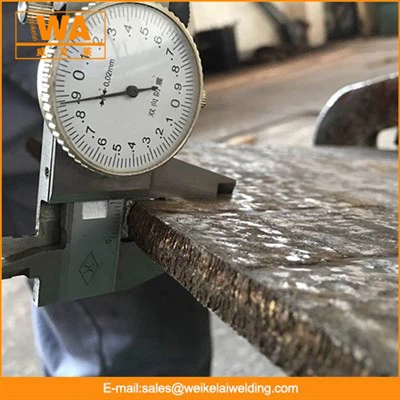
One of the key factors is the thickness of the plate. Generally speaking, the thicker the wear steel plate, the higher its load - bearing capacity. A thicker plate can distribute the load over a larger area, reducing the stress on any single point. For example, in a mining operation where heavy machinery is constantly moving large amounts of ore, a thicker wear steel plate can handle the weight and pressure better than a thinner one.
The material composition of the wear steel plate also plays a crucial role. Different Wear Resistant Alloys have different mechanical properties. Some alloys are stronger and more ductile, which means they can deform slightly under load without breaking. This ability to deform helps in absorbing the energy from the load, increasing the overall load - bearing capacity. For instance, a plate made from an alloy with high chromium content might have better wear resistance and load - bearing capabilities compared to a plate with a lower chromium content.
The heat treatment process is another important aspect. Proper heat treatment can enhance the hardness and strength of the wear steel plate. When a plate is heat - treated correctly, it can develop a fine - grained microstructure that is more resistant to deformation under load. For example, quenching and tempering can improve the plate's toughness and hardness, making it better able to handle heavy loads.
The surface finish of the wear steel plate can also affect its load - bearing capacity. A smooth surface finish can reduce friction and wear, allowing the plate to distribute the load more evenly. On the other hand, a rough surface might cause stress concentrations, which can lead to premature failure of the plate under load.
Now, let's talk about how we test the load - bearing capacity of wear steel plates. There are several standard tests that we use in our industry. One common test is the three - point bending test. In this test, a sample of the wear steel plate is placed on two supports, and a load is applied at the center of the plate. The amount of load that the plate can withstand before it starts to bend or break gives us an idea of its load - bearing capacity.
Another test is the compression test. In a compression test, the wear steel plate is placed between two platens, and a compressive load is applied. This test helps us determine how well the plate can handle loads that push it together.
In real - world applications, the load - bearing capacity of wear steel plates is often affected by the environment. For example, in a corrosive environment, the plate might start to weaken over time, reducing its load - bearing capacity. To combat this, we often use coatings or special alloys that are more resistant to corrosion.
Let's take a look at some common applications and the required load - bearing capacity. In the construction industry, wear steel plates are used in the floors of heavy - duty trucks and trailers. These plates need to be able to handle the weight of the cargo being transported. A typical load - bearing capacity for these plates might range from a few tons to tens of tons, depending on the size and type of the vehicle.
In the mining industry, wear steel plates are used in chutes, hoppers, and crushers. These plates are subjected to high - impact loads from the falling ore and the crushing action. The load - bearing capacity requirements in mining can be extremely high, sometimes in the hundreds of tons.
As a supplier of wear steel plates, we understand the importance of providing plates with the right load - bearing capacity for your specific needs. We have a wide range of Abrasion Resistant Steel Plate products, and we can work with you to select the best plate for your application. Whether you need a plate for a small - scale construction project or a large - scale mining operation, we've got you covered.
If you're in the market for wear steel plates and want to discuss the load - bearing capacity requirements for your project, don't hesitate to get in touch. We're here to help you make the right choice and ensure that your project runs smoothly.
References:
- Industry standards on wear steel plate testing
- Technical literature on wear - resistant alloys and their properties
So, if you have any questions or are interested in purchasing wear steel plates, feel free to reach out. We'll be happy to have a detailed discussion about the load - bearing capacity and other aspects of our products to meet your specific requirements.