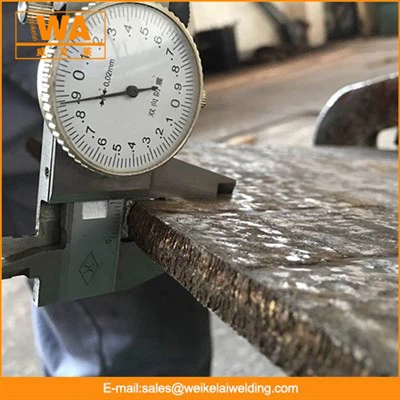
Hardox steel plates are renowned in the industrial world for their exceptional properties, with hardness being one of the most critical factors. As a supplier of Hardox steel plates, I have witnessed firsthand the impact of this material's hardness on various applications. In this blog, we will delve into what the hardness of Hardox steel plate means, how it is measured, and why it matters in different industries.
Understanding Hardness in Metallurgy
Before we specifically discuss Hardox steel, it's essential to understand what hardness means in the context of metallurgy. Hardness is a material's resistance to localized deformation, typically by indentation. This deformation can be in the form of scratching, abrasion, or penetration. In simple terms, a harder material is less likely to be damaged when it comes into contact with other objects.
There are several methods to measure hardness, each with its own scale. The most commonly used scales in the steel industry are the Brinell hardness test, the Rockwell hardness test, and the Vickers hardness test.
- Brinell Hardness Test: This test involves pressing a hardened steel or carbide ball of a specified diameter into the material under a known load for a specific time. The diameter of the resulting indentation is measured, and the Brinell hardness number (BHN) is calculated. It is suitable for measuring the hardness of large and rough - surfaced specimens.
- Rockwell Hardness Test: In this test, a minor load is first applied to seat the indenter, followed by a major load. The difference in the depth of penetration between the minor and major loads is measured, and the Rockwell hardness number is determined. There are different scales (e.g., HRA, HRB, HRC) depending on the indenter type and the load used.
- Vickers Hardness Test: A square - based pyramid indenter is used to make an indentation under a known load. The diagonal of the resulting indentation is measured, and the Vickers hardness number (HV) is calculated. This test is highly accurate and can be used for a wide range of materials and specimen sizes.
Hardness of Hardox Steel Plates
Hardox steel plates are manufactured by SSAB, a leading steel producer. These plates are known for their high hardness, which directly translates to excellent wear resistance. The hardness of Hardox steel plates is typically specified in Brinell hardness numbers.
Hardox plates come in different grades, each with a specific hardness range. For example, Hardox 400 has a Brinell hardness of around 370 - 430 HBW, while Hardox 500 has a hardness of approximately 470 - 530 HBW. The higher the hardness number, the more wear - resistant the plate is.
The high hardness of Hardox steel is achieved through a carefully controlled heat - treatment process. During this process, the steel is heated to a specific temperature and then rapidly cooled, which results in the formation of a fine - grained microstructure. This microstructure is responsible for the plate's high strength and hardness.
Why Hardness Matters in Different Industries
The hardness of Hardox steel plates makes them suitable for a wide range of applications across various industries.
Mining Industry
In the mining industry, equipment is constantly exposed to abrasive materials such as rocks, ores, and gravel. Hardox steel plates are used to line chutes, hoppers, and conveyor systems. The high hardness of these plates ensures that they can withstand the constant abrasion from the materials being transported, reducing the need for frequent replacements. This not only saves on maintenance costs but also increases the overall efficiency of the mining operations.
Construction Industry
In construction, Hardox steel plates are used in the manufacturing of earth - moving equipment such as bulldozer blades, excavator buckets, and dump truck bodies. These components are subject to high - impact forces and abrasion from soil, rocks, and concrete. The hardness of Hardox steel allows these parts to resist wear and deformation, extending their service life and improving the performance of the equipment.
Recycling Industry
Recycling facilities deal with a variety of materials, including scrap metal, glass, and plastic. Hardox steel plates are used in shredders, crushers, and sorting equipment. The high hardness of the plates enables them to handle the tough and abrasive nature of the recycled materials, ensuring that the equipment operates smoothly and efficiently.
Comparison with Other Wear - Resistant Materials
When compared to other wear - resistant materials, Hardox steel plates offer several advantages due to their hardness.


- Composite Wear Plates: Composite Wear Plates are made by combining different materials to achieve specific properties. While they can offer good wear resistance, Hardox steel plates often have a more uniform hardness throughout the plate. This uniform hardness ensures consistent performance and reduces the risk of premature failure.
- High Wear Resistant Steel: High Wear Resistant Steel is a broad category of steels designed for wear - resistant applications. However, Hardox steel plates are known for their precise hardness control and high - quality manufacturing process. This results in a more reliable and predictable performance in real - world applications.
- Bimetallic Wear Resistant Material: Bimetallic Wear Resistant Material consists of two different metals bonded together. While it can offer a combination of properties, Hardox steel plates provide a single - material solution with excellent hardness and wear resistance. This simplifies the manufacturing process and reduces the risk of delamination, which can occur in bimetallic materials.
Maintaining the Hardness of Hardox Steel Plates
To ensure the long - term performance of Hardox steel plates, proper handling and maintenance are crucial.
- Proper Installation: When installing Hardox steel plates, it is important to follow the manufacturer's guidelines. This includes using the correct fasteners and ensuring proper alignment. Improper installation can lead to stress concentrations, which may reduce the plate's hardness and cause premature wear.
- Regular Inspection: Regularly inspecting the Hardox steel plates for signs of wear, cracks, or deformation is essential. Early detection of any issues allows for timely repairs or replacements, preventing further damage to the equipment.
- Cleaning and Lubrication: Keeping the plates clean and properly lubricated can also help maintain their hardness. Dirt and debris can act as abrasives, accelerating the wear process. Lubrication can reduce friction and wear, especially in applications where the plates are in contact with moving parts.
Conclusion
The hardness of Hardox steel plates is a key factor in their widespread use across various industries. The carefully controlled heat - treatment process results in a high - quality material with excellent wear resistance. Whether it's in mining, construction, or recycling, Hardox steel plates offer a reliable solution for applications that require resistance to abrasion and impact.
If you are in need of high - quality Hardox steel plates for your specific application, I encourage you to reach out for a detailed discussion. We can provide you with the right grade of Hardox steel based on your requirements and ensure a smooth procurement process. Contact us to start the conversation about your Hardox steel plate needs.
References
- SSAB Technical Manual on Hardox Steel Plates.
- Metallurgy textbooks on steel properties and heat - treatment processes.
- Industry reports on the use of wear - resistant materials in different sectors.