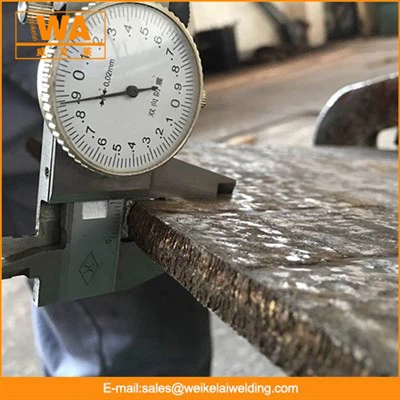
In the realm of industrial materials, bimetal wear plates have long been recognized for their exceptional durability and resistance to abrasion, corrosion, and impact. These plates are typically composed of two different metals bonded together, combining the best properties of each to create a material that can withstand harsh operating conditions. As a leading supplier of bimetal wear plates, I often receive inquiries about the potential applications of these materials in various industries. One question that has recently piqued my interest is whether bimetal wear plates can be used in jewelry - manufacturing equipment.
Understanding Bimetal Wear Plates
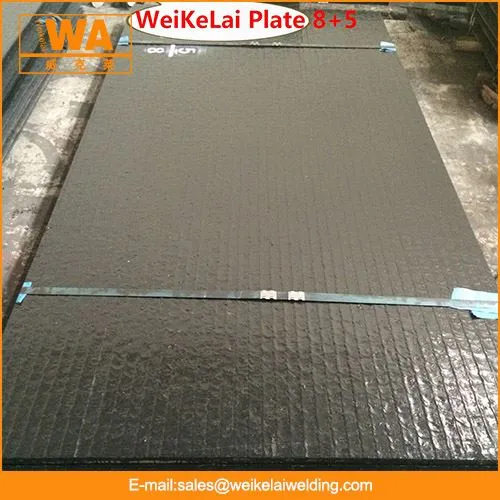
Before delving into the suitability of bimetal wear plates for jewelry - manufacturing equipment, it's important to understand what these plates are and how they are made. Bimetal wear plates are created by bonding a wear - resistant alloy to a structural steel backing. The wear - resistant layer is usually made of materials such as tungsten carbide or chromium carbide, which are known for their high hardness and excellent wear resistance. The steel backing provides the necessary strength and toughness to support the wear - resistant layer.
There are several methods for producing bimetal wear plates, including overlay welding, explosion bonding, and roll bonding. Each method has its own advantages and disadvantages, but the end result is a plate that combines the superior wear resistance of the alloy layer with the structural integrity of the steel backing.
Jewelry - Manufacturing Equipment Requirements
Jewelry manufacturing involves a variety of processes, including cutting, shaping, polishing, and casting. Each of these processes requires specialized equipment that must be able to perform with high precision and reliability. The equipment used in jewelry manufacturing is often subjected to significant wear and tear, especially when working with hard materials such as precious metals and gemstones.
Some of the key requirements for jewelry - manufacturing equipment include:
- Precision: Jewelry pieces are often small and intricate, requiring equipment that can operate with high precision to ensure accurate cuts, shapes, and finishes.
- Wear Resistance: The tools and components of jewelry - manufacturing equipment come into contact with hard materials on a regular basis, so they need to be highly resistant to wear to maintain their performance over time.
- Corrosion Resistance: Many jewelry - making processes involve the use of chemicals and solvents, which can cause corrosion if the equipment is not properly protected.
- Smooth Surface Finish: A smooth surface finish is essential for jewelry - manufacturing equipment to prevent scratching and damage to the delicate jewelry pieces.
Potential Benefits of Using Bimetal Wear Plates in Jewelry - Manufacturing Equipment
Now, let's explore the potential benefits of using bimetal wear plates in jewelry - manufacturing equipment:
- Enhanced Wear Resistance: The wear - resistant layer of bimetal wear plates, such as Tungsten Carbide Plate or Chromium Carbide Plate, can significantly extend the lifespan of the equipment. This means less frequent replacement of parts, reducing downtime and maintenance costs.
- Improved Precision: The high hardness and stability of bimetal wear plates can help maintain the precision of the equipment over time. Even after extended use, the plates are less likely to deform or wear unevenly, ensuring consistent performance.
- Corrosion Resistance: Depending on the choice of materials, bimetal wear plates can offer excellent corrosion resistance. This is particularly important in jewelry - manufacturing environments where chemicals are commonly used.
- Versatility: Bimetal wear plates can be customized to meet the specific requirements of different jewelry - manufacturing processes. They can be fabricated into various shapes and sizes, making them suitable for a wide range of equipment.
Challenges and Considerations
While there are many potential benefits to using bimetal wear plates in jewelry - manufacturing equipment, there are also some challenges and considerations that need to be addressed:
- Cost: Bimetal wear plates can be more expensive than traditional materials. However, the long - term cost savings due to reduced maintenance and replacement costs may offset the initial investment.
- Machinability: Some bimetal wear plates, especially those with a hard wear - resistant layer, can be difficult to machine. This may require specialized machining techniques and tools, which can add to the overall cost.
- Aesthetic Compatibility: In some cases, the appearance of bimetal wear plates may not be compatible with the aesthetic requirements of jewelry - manufacturing equipment. For example, if the equipment is on display in a showroom, the plates need to have a suitable finish.
Case Studies and Real - World Applications
Although the use of bimetal wear plates in jewelry - manufacturing equipment is not as widespread as in other industries, there are some examples of successful applications. For instance, in some high - end jewelry - cutting machines, bimetal wear plates have been used to replace traditional tooling materials. The result has been a significant improvement in the cutting precision and the lifespan of the cutting tools.
Another example is in the polishing equipment. By using Cladding Steel Plate with a wear - resistant surface, the polishing heads can maintain a smooth and consistent surface finish for a longer period, resulting in better - quality jewelry pieces.

Conclusion and Call to Action
In conclusion, bimetal wear plates have the potential to offer significant advantages in jewelry - manufacturing equipment. Their high wear resistance, precision, and corrosion resistance make them a promising option for improving the performance and longevity of the equipment. While there are some challenges and considerations, the benefits often outweigh the drawbacks.
If you are involved in the jewelry - manufacturing industry and are interested in exploring the use of bimetal wear plates in your equipment, I encourage you to reach out to us. As a leading supplier of bimetal wear plates, we have the expertise and experience to provide you with the right solutions for your specific needs. Contact us today to start a discussion about how bimetal wear plates can enhance your jewelry - manufacturing processes.
References
- "Wear and Corrosion Resistance of Bimetal Materials" - Journal of Materials Science
- "Advanced Manufacturing Techniques for Jewelry" - International Journal of Jewelry Technology
- "Bimetal Wear Plate Applications in Industrial Equipment" - Industrial Materials Review