Hey there! I'm a supplier of Bent Cladding Pipe, and I've seen my fair share of issues when it comes to the bending process. One of the most common problems is deformation, which can really mess up the quality of the final product. In this blog, I'm gonna share some tips on how to avoid deformation during the bending process of bent cladding pipes.
Understanding the Basics of Bent Cladding Pipes
Before we dive into the tips, let's quickly go over what bent cladding pipes are. Bent cladding pipes are pipes that have a hardfacing layer on the inside or outside surface. This hardfacing layer provides excellent wear resistance, making these pipes ideal for applications where abrasion is a concern. You can learn more about Hardfacing Abrasion Pipe on our website.
Factors That Cause Deformation
There are several factors that can cause deformation during the bending process. Understanding these factors is the first step in preventing deformation.
Material Properties
The material properties of the pipe, such as its hardness, strength, and ductility, play a crucial role in the bending process. If the material is too hard or brittle, it's more likely to crack or deform during bending. On the other hand, if the material is too soft, it may not hold its shape properly.
Bending Method
The bending method you choose can also affect the likelihood of deformation. There are several bending methods available, including cold bending, hot bending, and induction bending. Each method has its own advantages and disadvantages, and the choice of method depends on the specific requirements of the project.
Bending Radius
The bending radius is another important factor to consider. If the bending radius is too small, the pipe is more likely to deform. It's important to choose a bending radius that is appropriate for the size and material of the pipe.
Cladding Layer
The cladding layer on the pipe can also affect the bending process. If the cladding layer is too thick or too hard, it can make the pipe more difficult to bend and increase the risk of deformation.
Tips to Avoid Deformation
Now that we've discussed the factors that cause deformation, let's look at some tips on how to avoid it.
Choose the Right Material
As I mentioned earlier, the material properties of the pipe are crucial in the bending process. When selecting a material for your bent cladding pipe, make sure to choose a material that has the right balance of hardness, strength, and ductility. You can also consult with a materials expert to get more advice on the best material for your application.
Select the Appropriate Bending Method
The choice of bending method depends on several factors, including the material of the pipe, the bending radius, and the production volume. Cold bending is a popular method for small to medium-sized pipes, while hot bending is often used for larger pipes or pipes with a tight bending radius. Induction bending is a more advanced method that offers precise control over the bending process. Make sure to choose the method that is best suited for your project.
Optimize the Bending Radius
To avoid deformation, it's important to choose a bending radius that is appropriate for the size and material of the pipe. A general rule of thumb is to choose a bending radius that is at least three times the diameter of the pipe. However, this may vary depending on the specific requirements of the project. You can also use computer-aided design (CAD) software to simulate the bending process and determine the optimal bending radius.
Control the Cladding Layer Thickness
The thickness of the cladding layer can have a significant impact on the bending process. To avoid deformation, it's important to control the thickness of the cladding layer. Make sure the cladding layer is not too thick or too hard, as this can make the pipe more difficult to bend. You can also use a thinner cladding layer or a different type of cladding material to reduce the risk of deformation.
Use Proper Tooling and Equipment
Using proper tooling and equipment is essential in the bending process. Make sure to use high-quality bending dies and mandrels that are designed for the specific size and material of the pipe. The tooling should also be properly maintained to ensure accurate and consistent bending. Additionally, using a hydraulic bending machine or a CNC bending machine can provide more precise control over the bending process and reduce the risk of deformation.
Preheat the Pipe
Preheating the pipe before bending can help reduce the risk of deformation, especially for pipes made of high-strength materials. Preheating the pipe can make the material more ductile and easier to bend. However, it's important to control the preheating temperature and time to avoid overheating the pipe, which can also cause deformation.
Conduct Quality Checks
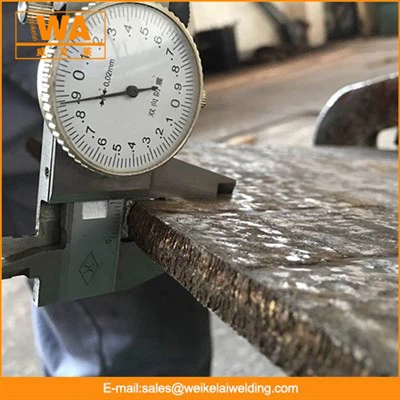
Finally, it's important to conduct quality checks throughout the bending process to ensure that the pipe is not deformed. You can use non-destructive testing methods, such as ultrasonic testing or magnetic particle testing, to detect any cracks or defects in the pipe. You can also use a measuring tool, such as a caliper or a micrometer, to check the dimensions of the bent pipe and ensure that it meets the required specifications.
Conclusion
Avoiding deformation during the bending process of bent cladding pipes is crucial to ensure the quality and performance of the final product. By understanding the factors that cause deformation and following the tips outlined in this blog, you can minimize the risk of deformation and produce high-quality bent cladding pipes.


If you're interested in purchasing Bent Cladding Pipe or Wear Resistant Pipe, feel free to reach out to us. We'd be happy to discuss your specific requirements and provide you with a quote.
References
- ASME B31.3 Process Piping Code
- API 5L Specification for Line Pipe
- ASTM A36/A36M Standard Specification for Carbon Structural Steel