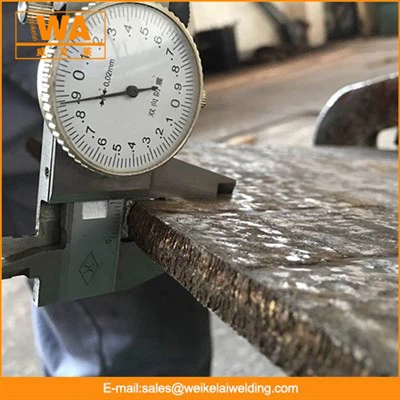
Hey there! As a supplier of Hardox steel plates, I've gotten tons of questions about the edge quality after cutting. So, I thought I'd sit down and write this blog to share what I know.
Let's start with the basics. Hardox steel is known for its high wear resistance, toughness, and strength. It's used in a wide range of industries, from mining and construction to agriculture and transportation. When it comes to cutting Hardox steel plates, the edge quality is super important. It can affect the performance and lifespan of the final product.


There are several cutting methods for Hardox steel plates, and each method has an impact on the edge quality.
Plasma Cutting
Plasma cutting is a popular method for cutting Hardox steel plates. It uses a high - velocity jet of ionized gas to melt and blow away the metal. One of the advantages of plasma cutting is its speed. It can cut through thick Hardox steel plates relatively quickly.
However, the edge quality from plasma cutting may not be as smooth as some other methods. You might notice a slight bevel on the edges, and there could be some dross (the molten metal that solidifies on the cut edge). But don't worry too much! With the right settings and a good plasma cutting machine, you can minimize these issues. For thinner Hardox steel plates, plasma cutting can actually give a pretty decent edge quality.
Laser Cutting
Laser cutting is another option. It uses a high - powered laser beam to melt and vaporize the metal. Laser cutting is known for its precision. You can get very straight and clean edges with laser cutting.
The heat - affected zone (HAZ) in laser cutting is usually smaller compared to plasma cutting. A smaller HAZ means that the properties of the Hardox steel near the cut edge are less likely to be affected. This is great because it helps maintain the high wear resistance and strength of the steel. But laser cutting has its limitations. It's more expensive than plasma cutting, and it's not as suitable for very thick Hardox steel plates.
Oxy - Fuel Cutting
Oxy - fuel cutting is a traditional method. It uses a mixture of oxygen and fuel gas (like acetylene) to burn through the metal. This method is suitable for thick Hardox steel plates.
The edge quality from oxy - fuel cutting can be good, but it requires some skill. If the cutting speed and oxygen flow are not set correctly, you might end up with rough edges, and there could be some warping due to the heat. The HAZ in oxy - fuel cutting is relatively large, which means that the properties of the steel near the cut edge might change a bit.
Now, let's talk about why edge quality matters. A good edge quality ensures that the Hardox steel plate fits properly in the assembly. If the edges are rough or have a lot of dross, it can be difficult to weld or join the plates together. Also, a smooth edge reduces the risk of stress concentration, which can lead to cracks and failures in the long run.
When you're choosing a cutting method for Hardox steel plates, you need to consider your specific requirements. If you need high precision and are working with thinner plates, laser cutting might be the way to go. If you're on a budget and need to cut thick plates, plasma or oxy - fuel cutting could be more suitable.
As a Hardox steel plate supplier, I've seen how different cutting methods can affect the edge quality. That's why I always work closely with my customers to understand their needs. We can discuss the best cutting method for their projects to ensure the highest edge quality.
If you're in the market for Bimetal Wear Plate, Hardfacing Processed Plate, or High Wear Resistant Steel, I'm here to help. Whether you need advice on cutting methods or want to place an order for Hardox steel plates, just reach out to me. I'll do my best to provide you with the best products and services.
Edge quality is a crucial factor when it comes to Hardox steel plates. By understanding the different cutting methods and their effects on edge quality, you can make an informed decision for your projects. So, don't hesitate to contact me if you have any questions or if you're ready to start your next project with Hardox steel plates. Let's work together to get the best results!
References
- "Welding and Cutting of Wear - Resistant Steels" - A technical guide on the cutting and welding processes of wear - resistant steels.
- "Handbook of Steel Plate Manufacturing" - A comprehensive resource that covers various aspects of steel plate production, including cutting methods.