Hey there! As a welding recondition supplier, I often get asked about the difference between welding recondition and new welding. So, I thought I'd break it down for you in this blog post.
Let's start with the basics. New welding is exactly what it sounds like – it's the process of creating a brand - new weld on a fresh piece of material. This is typically done when you're building something from scratch, like a custom - made metal structure or a brand - new machine part. For new welding, you're using brand - new materials, and the welder has the freedom to set up the joint and the welding parameters according to the design requirements.
On the other hand, welding recondition is all about bringing old or damaged parts back to life. It's a cost - effective alternative to buying new parts. When a part has been worn out, cracked, or damaged due to regular use, welding recondition can be used to repair it.
One of the biggest differences between the two is the cost. New welding for a large or complex part can be pretty expensive. You've got to factor in the cost of the raw materials, the labor involved in setting up the new weld, and any additional machining or finishing that might be required. In contrast, welding recondition usually costs less. You're not starting from scratch, so you save on the material cost. And since you're just repairing an existing part, the labor time can also be shorter in many cases.
Take, for example, a Coal Pulverizer Tables. If you need a brand - new one, you'll have to pay for the raw steel, the machining to get it to the right shape, and then the welding to assemble it. But if the existing coal pulverizer table has some minor wear or damage, we can use welding recondition to fix it. Check out Coal Pulverizer Tables for more details on how we handle these repairs.
Another difference lies in the quality and performance. New welding can be tailored precisely to meet the exact specifications of a design. The welder can choose the best welding process and materials to ensure maximum strength and durability. However, welding recondition doesn't necessarily mean sacrificing quality. In fact, with the right techniques and materials, a reconditioned part can perform just as well as a new one.
When we do welding recondition, we first assess the condition of the part. We look for cracks, wear patterns, and any other signs of damage. Then, we clean the part thoroughly to remove any dirt, rust, or contaminants. After that, we use specialized welding techniques to build up the worn areas or repair the cracks. For instance, in the case of Repair Coal Mill Table Liners, we have a team of experienced welders who know exactly how to handle these delicate repairs to ensure the liners work efficiently again.


The time factor is also important. New welding projects can take a while, especially if they're large - scale or involve complex designs. There's the time for sourcing materials, setting up the work area, and then the actual welding process. Welding recondition, on the other hand, can often be completed more quickly. Since we're working with an existing part, we can get straight to the repair work. This means less downtime for your equipment, which is a huge advantage for businesses.
Now, let's talk about the environmental impact. New welding requires a significant amount of raw materials, which means more mining and processing. This has a negative impact on the environment. Welding recondition, however, is a more sustainable option. By reusing existing parts, we reduce the demand for new materials and minimize waste. It's a win - win situation for both your business and the planet.
In terms of the skills required, new welding often demands a broader range of skills. The welder needs to be able to read complex blueprints, understand different welding processes, and work with a variety of materials. Welding recondition also requires skill, but it has a different focus. The welder needs to be good at assessing damage, choosing the right repair techniques, and ensuring that the repaired part fits back into the existing system.
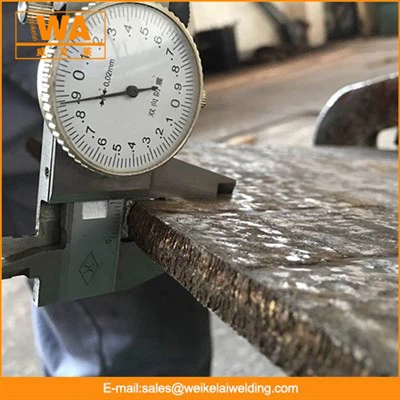
Let's take a look at Welding Rebuild On Table Liner. This is a great example of how welding recondition works. The table liner might have been worn out due to continuous use, but through our reconditioning process, we can make it as good as new.
So, when should you choose new welding and when should you go for welding recondition? If you're building a completely new product or if the damage to the part is too severe to repair, then new welding is the way to go. But if the part is just worn or has minor damage, welding recondition is a smart choice. It saves you money, time, and is better for the environment.
As a welding recondition supplier, I can tell you that we've got the expertise and the equipment to handle all kinds of welding recondition jobs. Whether it's a small part or a large industrial component, we can get it back in working order.
If you're interested in our welding recondition services, I encourage you to reach out to us. We'd be more than happy to discuss your specific needs and provide you with a quote. Don't hesitate to contact us if you have any questions or if you're looking for a cost - effective solution to your welding problems.
References
- General knowledge of welding processes and repair techniques from industry experience.
- Information on coal pulverizer and mill table liner repair based on in - house case studies.