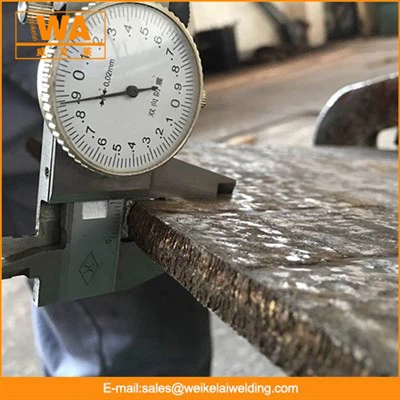
Hey there! As a supplier of Metallic Wear Liners, I've seen firsthand the benefits these products bring to various industries. But like anything else, they're not without their drawbacks. In this blog, I'm gonna break down some of the disadvantages of metallic wear liners so you can make an informed decision when it comes to your wear protection needs.
High Initial Cost
One of the most obvious downsides of metallic wear liners is the high initial cost. These liners are often made from high - quality metals like chromium alloy steel, which can be quite expensive to produce. Compared to other types of wear liners, such as rubber or ceramic, metallic liners can cost significantly more upfront.
For example, if you're looking at Chromium Alloy Steel Mill Liners, the price tag can be a bit of a shock. The manufacturing process involves precise alloying and heat - treating to achieve the desired hardness and wear resistance. This complexity adds to the cost, making it a hefty investment for businesses, especially small and medium - sized enterprises.
Heavyweight
Metallic wear liners are generally heavy. This can pose several problems, especially when it comes to installation and transportation. Installing heavy liners requires specialized equipment and skilled labor. You can't just have a couple of guys lift and fit these liners into place. Cranes and other heavy - duty machinery are often needed, which adds to the overall installation cost.
In terms of transportation, the weight of metallic liners means higher shipping costs. More fuel is required to transport them, and there may also be restrictions on the amount of weight that can be carried on certain vehicles. For instance, if you're shipping Conveyor Wear Liners across the country, the weight factor can really eat into your budget.
Corrosion Susceptibility
Metals are prone to corrosion, especially in harsh environments. If metallic wear liners are exposed to moisture, chemicals, or saltwater, they can start to rust and deteriorate over time. This not only reduces the lifespan of the liners but can also contaminate the materials they're protecting.
For example, in a mining operation where the liners are in contact with wet ore and various chemicals, corrosion can be a major issue. Once the corrosion sets in, the liner's performance starts to decline. It may lose its smooth surface, which can cause problems in material flow, especially in Chute Wear Liners. And if the corrosion is severe, the liner may need to be replaced much earlier than expected, leading to additional costs.
Limited Impact Resistance
While metallic wear liners are great at resisting abrasion, they may not be the best choice when it comes to high - impact applications. In some industries, like construction or mining, materials are often dropped or thrown onto the liners with a lot of force. Metallic liners can crack or deform under such high - impact loads.
For instance, if large rocks are being dumped into a chute lined with metallic wear liners, the impact can cause the liner to develop cracks. These cracks can then spread over time, compromising the integrity of the liner and reducing its effectiveness. In such cases, other materials like rubber or composite liners may be a better option as they can absorb the impact energy better.
Noise Generation
When materials move across metallic wear liners, they can generate a significant amount of noise. This can be a problem in workplaces where noise pollution is a concern. Excessive noise can not only be annoying for workers but can also lead to hearing problems over time.
In a conveyor system using metallic liners, the constant scraping and sliding of materials can create a loud, continuous noise. To mitigate this, additional noise - reduction measures may need to be implemented, such as installing sound - absorbing panels. This adds to the overall cost and complexity of the system.
Difficult to Machine and Modify
Metallic wear liners are often hard and difficult to machine or modify. If you need to make changes to the liner's shape or size after it's been manufactured, it can be a real challenge. Specialized tools and equipment are required, and the process can be time - consuming and expensive.
For example, if you realize that the Conveyor Wear Liners you've installed are not the right size for your conveyor system, modifying them can be a headache. You may have to send them back to the manufacturer or hire a specialized machining service, which can delay your operations and increase costs.
Thermal Conductivity
Metals are good conductors of heat. In some applications, this can be a disadvantage. For example, in industries where high - temperature materials are being handled, the metallic wear liners can transfer heat to the surrounding environment or other components. This can cause overheating issues and may require additional cooling measures.

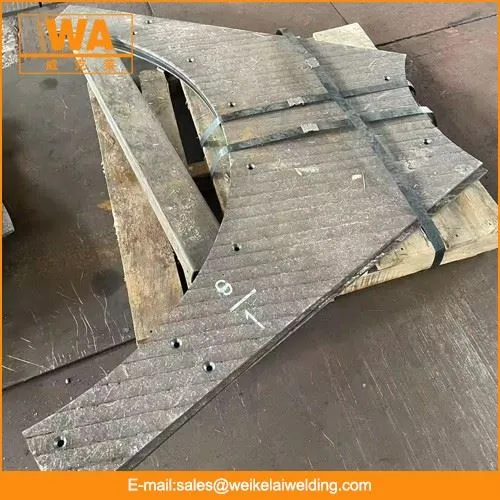
In a steel mill, if the metallic liners in the chutes are in contact with hot steel, the heat can be transferred to the chute structure, potentially causing damage. To prevent this, insulation or cooling systems may need to be installed, adding to the overall cost and complexity of the setup.
Conclusion
Despite these disadvantages, metallic wear liners still have their place in many industries. They offer excellent abrasion resistance and are suitable for a wide range of applications. But it's important to be aware of the drawbacks so you can weigh the pros and cons before making a decision.
If you're still considering metallic wear liners for your business, I'd be more than happy to have a chat with you. We can discuss your specific needs and see if metallic liners are the right fit. Don't hesitate to reach out if you have any questions or if you're ready to start a procurement discussion.
References
- "Wear Materials and Their Applications" by John Smith
- "Industrial Wear Protection Handbook" by Jane Doe
- "Advances in Metallic Wear Liners" by Robert Johnson