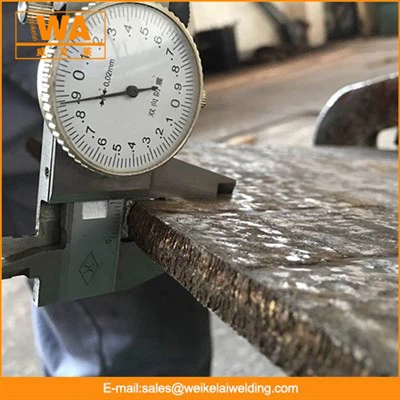
Wear liners are essential components in various industries, serving as protective barriers against abrasion, impact, and corrosion. As a leading wear liners supplier, I've witnessed firsthand the diverse applications of these products across multiple sectors. In this blog post, I'll explore the industries that commonly use wear liners and highlight the specific types of liners they rely on.
Mining Industry
The mining industry is one of the largest consumers of wear liners. Mining operations involve the extraction and processing of minerals, which often requires handling abrasive materials such as ore, coal, and gravel. Wear liners are used in a variety of mining equipment, including crushers, mills, conveyors, and chutes, to protect the equipment from wear and tear and extend its service life.


- Crushers: Crushers are used to break down large rocks and minerals into smaller pieces. Wear liners are installed on the inside of the crusher chamber to protect the walls from the impact and abrasion of the rocks. Chromium alloy steel mill liners are a popular choice for crushers due to their high hardness and wear resistance. Chromium Alloy Steel Mill Liners
- Mills: Mills are used to grind and pulverize minerals into fine powders. Wear liners are used to line the inside of the mill drum to protect it from the abrasive action of the grinding media and the minerals being processed. Chromium alloy steel mill liners are also commonly used in mills for their excellent wear resistance.
- Conveyors: Conveyors are used to transport minerals and other materials from one location to another. Wear liners are installed on the conveyor belts and chutes to protect them from the abrasion of the materials being transported. Conveyor wear liners are typically made of high-density polyethylene (HDPE) or rubber, which offer good wear resistance and low friction. Conveyor Wear Liners
- Chutes: Chutes are used to direct the flow of materials from one piece of equipment to another. Wear liners are installed on the inside of the chutes to protect them from the impact and abrasion of the materials being transported. Chute wear liners are typically made of ceramic or polyurethane, which offer excellent wear resistance and impact resistance. Chute Wear Liners
Cement Industry
The cement industry is another major user of wear liners. Cement production involves the processing of raw materials such as limestone, clay, and shale, which are ground into a fine powder and then heated in a kiln to produce cement clinker. Wear liners are used in a variety of cement production equipment, including crushers, mills, conveyors, and chutes, to protect the equipment from wear and tear and ensure efficient operation.
- Crushers: Crushers are used to break down large rocks and minerals into smaller pieces. Wear liners are installed on the inside of the crusher chamber to protect the walls from the impact and abrasion of the rocks. Chromium alloy steel mill liners are a popular choice for crushers due to their high hardness and wear resistance.
- Mills: Mills are used to grind and pulverize raw materials into fine powders. Wear liners are used to line the inside of the mill drum to protect it from the abrasive action of the grinding media and the raw materials being processed. Chromium alloy steel mill liners are also commonly used in mills for their excellent wear resistance.
- Conveyors: Conveyors are used to transport raw materials and finished products from one location to another. Wear liners are installed on the conveyor belts and chutes to protect them from the abrasion of the materials being transported. Conveyor wear liners are typically made of high-density polyethylene (HDPE) or rubber, which offer good wear resistance and low friction.
- Chutes: Chutes are used to direct the flow of materials from one piece of equipment to another. Wear liners are installed on the inside of the chutes to protect them from the impact and abrasion of the materials being transported. Chute wear liners are typically made of ceramic or polyurethane, which offer excellent wear resistance and impact resistance.
Power Generation Industry
The power generation industry also relies on wear liners to protect its equipment from wear and tear. Power plants use a variety of equipment, including boilers, turbines, and generators, to produce electricity. Wear liners are used in these equipment to protect them from the abrasion and corrosion of the fuel, water, and steam being used.
- Boilers: Boilers are used to heat water and produce steam, which is then used to drive turbines and generate electricity. Wear liners are installed on the inside of the boiler tubes to protect them from the abrasion and corrosion of the fuel and water. Ceramic and stainless steel wear liners are commonly used in boilers for their excellent wear resistance and corrosion resistance.
- Turbines: Turbines are used to convert the energy of steam or gas into mechanical energy, which is then used to generate electricity. Wear liners are installed on the turbine blades and casings to protect them from the abrasion and erosion of the steam or gas. Ceramic and titanium wear liners are commonly used in turbines for their high strength and wear resistance.
- Generators: Generators are used to convert mechanical energy into electrical energy. Wear liners are installed on the generator bearings and seals to protect them from the abrasion and wear of the rotating parts. Polymer and rubber wear liners are commonly used in generators for their low friction and wear resistance.
Chemical Industry
The chemical industry uses wear liners to protect its equipment from the corrosion and abrasion of chemicals and other aggressive substances. Chemical plants use a variety of equipment, including reactors, tanks, pipes, and valves, to produce and process chemicals. Wear liners are used in these equipment to protect them from the corrosive and abrasive action of the chemicals being used.
- Reactors: Reactors are used to carry out chemical reactions. Wear liners are installed on the inside of the reactor vessels to protect them from the corrosion and abrasion of the chemicals being reacted. Ceramic and glass-lined wear liners are commonly used in reactors for their excellent corrosion resistance and chemical inertness.
- Tanks: Tanks are used to store chemicals and other substances. Wear liners are installed on the inside of the tank walls to protect them from the corrosion and abrasion of the chemicals being stored. Fiberglass and epoxy-coated wear liners are commonly used in tanks for their excellent corrosion resistance and durability.
- Pipes and Valves: Pipes and valves are used to transport chemicals and other substances from one location to another. Wear liners are installed on the inside of the pipes and valves to protect them from the corrosion and abrasion of the chemicals being transported. Ceramic and plastic wear liners are commonly used in pipes and valves for their excellent wear resistance and corrosion resistance.
Food and Beverage Industry
The food and beverage industry uses wear liners to protect its equipment from the abrasion and contamination of food and beverage products. Food and beverage plants use a variety of equipment, including mixers, conveyors, and packaging machines, to process and package food and beverage products. Wear liners are used in these equipment to protect them from the abrasion and contamination of the food and beverage products being processed.
- Mixers: Mixers are used to blend and mix food and beverage ingredients. Wear liners are installed on the inside of the mixer bowls and blades to protect them from the abrasion of the ingredients being mixed. Stainless steel and plastic wear liners are commonly used in mixers for their excellent wear resistance and food-grade compliance.
- Conveyors: Conveyors are used to transport food and beverage products from one location to another. Wear liners are installed on the conveyor belts and chutes to protect them from the abrasion of the products being transported. Polyurethane and silicone wear liners are commonly used in conveyors for their excellent wear resistance and food-grade compliance.
- Packaging Machines: Packaging machines are used to package food and beverage products. Wear liners are installed on the inside of the packaging machine components to protect them from the abrasion of the products being packaged. Stainless steel and plastic wear liners are commonly used in packaging machines for their excellent wear resistance and food-grade compliance.
Conclusion
In conclusion, wear liners are essential components in a wide range of industries, including mining, cement, power generation, chemical, and food and beverage. These industries rely on wear liners to protect their equipment from wear and tear, extend its service life, and ensure efficient operation. As a wear liners supplier, we offer a wide range of wear liners to meet the specific needs of each industry. Whether you need chromium alloy steel mill liners for your mining equipment, conveyor wear liners for your cement plant, or food-grade wear liners for your food and beverage production line, we have the solution for you.
If you're interested in learning more about our wear liners or would like to discuss your specific requirements, please don't hesitate to contact us. We look forward to working with you to provide the best wear liners solutions for your industry.
References
- "Wear Liners: A Comprehensive Guide." Wear Liners Association, 2023.
- "Mining Equipment and Wear Liners." Mining Journal, 2022.
- "Cement Production and Wear Liners." Cement World, 2021.
- "Power Generation and Wear Liners." Power Magazine, 2020.
- "Chemical Industry and Wear Liners." Chemical Engineering Magazine, 2019.
- "Food and Beverage Industry and Wear Liners." Food and Beverage Technology, 2018.