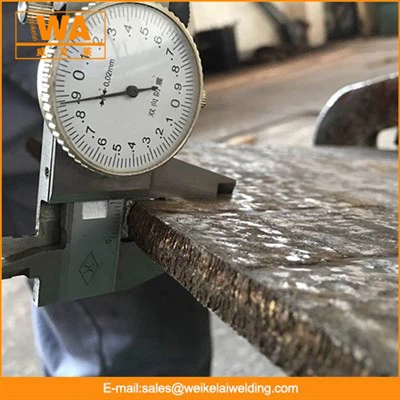
Can conveyor wear liners be used in conveyor systems with high - frequency starts and stops?
As a supplier of Conveyor Wear Liners, I often encounter inquiries from customers regarding the suitability of our products in conveyor systems with high - frequency starts and stops. This is a crucial question, as the operating conditions of a conveyor system significantly impact the performance and lifespan of wear liners.
Understanding Conveyor Systems with High - Frequency Starts and Stops
Conveyor systems that experience high - frequency starts and stops are commonly found in industries such as mining, manufacturing, and logistics. In mining operations, for example, conveyors may need to start and stop frequently to load and unload materials at different points along the production line. Similarly, in manufacturing plants, conveyors are often used to transport components between different workstations, and the intermittent nature of the manufacturing process requires frequent starts and stops.
These high - frequency operations pose unique challenges to the conveyor system. Each start and stop cycle subjects the conveyor components, including the wear liners, to sudden changes in stress and load. During a start, the conveyor belt accelerates from rest, causing a rapid increase in tension and friction. Conversely, during a stop, the belt decelerates, leading to a sudden release of energy. These dynamic forces can cause excessive wear and tear on the wear liners, potentially leading to premature failure.
The Role of Conveyor Wear Liners
Conveyor wear liners are designed to protect the conveyor structure from abrasion, impact, and corrosion caused by the materials being transported. They act as a sacrificial layer, absorbing the forces and damage that would otherwise be inflicted on the conveyor itself. By using wear liners, companies can extend the lifespan of their conveyor systems, reduce maintenance costs, and improve overall operational efficiency.
There are different types of conveyor wear liners available in the market, each with its own set of properties and applications. For example, Chute Wear Liners are specifically designed for use in chutes and hoppers, where they protect against the impact and abrasion of falling materials. Wear Protection Linings are more general - purpose liners that can be used in various parts of the conveyor system, including the belt, rollers, and idlers. Conveyor Wear Liners are tailored to the specific requirements of conveyor belts, providing a smooth and durable surface for material transportation.
Suitability of Conveyor Wear Liners in High - Frequency Start - Stop Systems
The suitability of conveyor wear liners in conveyor systems with high - frequency starts and stops depends on several factors, including the material of the liner, its design, and the specific operating conditions of the conveyor.
Material Selection
The choice of material for the wear liner is critical. Some materials are better suited to withstand the dynamic forces associated with high - frequency starts and stops. For example, rubber - based wear liners are known for their excellent shock absorption properties. They can effectively dampen the impact forces generated during starts and stops, reducing the stress on the liner and the conveyor structure. Additionally, rubber liners are flexible, which allows them to adapt to the changes in shape and movement of the conveyor belt during operation.
On the other hand, ceramic - based wear liners are highly resistant to abrasion. They can provide long - lasting protection against the wear caused by the movement of materials on the conveyor. However, ceramics are brittle, and the sudden forces generated during high - frequency starts and stops can cause them to crack or break. Therefore, in applications where high - frequency starts and stops are common, ceramic liners may need to be carefully designed and installed to minimize the risk of damage.
Design Considerations
The design of the wear liner also plays an important role in its performance in high - frequency start - stop systems. Liners with a smooth and continuous surface can reduce friction and wear during the movement of the conveyor belt. Additionally, liners that are properly contoured to fit the shape of the conveyor components can provide better support and protection.
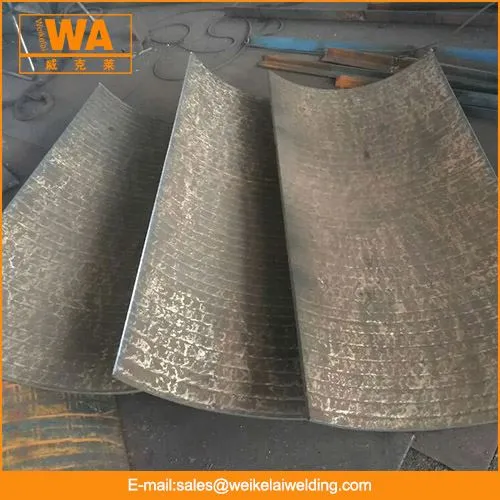
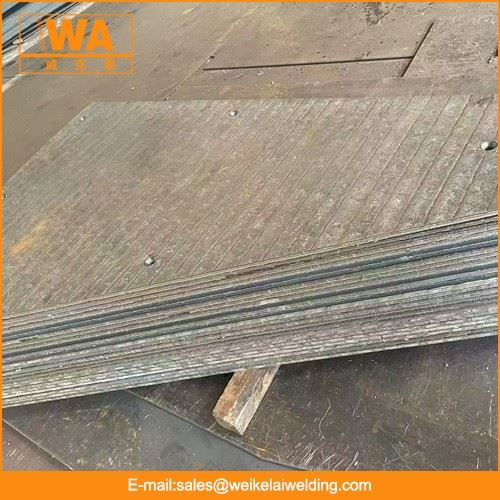
For example, some wear liners are designed with a modular structure, which allows for easy installation and replacement. This is particularly useful in high - frequency start - stop systems, where the liners may need to be replaced more frequently due to wear and tear. Modular liners can also be customized to meet the specific requirements of the conveyor system, ensuring optimal performance.
Operating Conditions
The specific operating conditions of the conveyor system, such as the speed, load, and type of material being transported, also affect the suitability of wear liners. Conveyor systems that operate at high speeds or carry heavy loads will generate greater forces during starts and stops, requiring wear liners with higher strength and durability.
In addition, the type of material being transported can have a significant impact on the wear of the liners. Abrasive materials, such as coal, ore, and gravel, will cause more wear on the liners compared to non - abrasive materials. Therefore, in applications where abrasive materials are being transported, wear liners with high abrasion resistance are essential.
Case Studies
To illustrate the effectiveness of conveyor wear liners in high - frequency start - stop systems, let's look at a few case studies.
In a mining operation, a conveyor system was experiencing frequent breakdowns due to the high - frequency starts and stops required for loading and unloading ore. The original wear liners were made of a hard plastic material, which was unable to withstand the dynamic forces generated during operation. As a result, the liners were wearing out quickly, leading to increased maintenance costs and downtime.
The mining company decided to replace the plastic liners with rubber - based wear liners. The rubber liners were able to absorb the shock and impact forces generated during starts and stops, reducing the stress on the conveyor structure. As a result, the lifespan of the wear liners increased significantly, and the frequency of breakdowns decreased. The company was able to save on maintenance costs and improve the overall efficiency of the conveyor system.
In another case, a manufacturing plant was using a conveyor system to transport metal components between different workstations. The conveyor system had a high - frequency start - stop cycle, and the wear liners were made of ceramic. However, due to the brittle nature of the ceramic, the liners were cracking and breaking during operation.
The plant decided to switch to a hybrid wear liner that combined the abrasion resistance of ceramic with the flexibility of rubber. The hybrid liner was able to provide both excellent abrasion protection and shock absorption, making it suitable for the high - frequency start - stop operation. The new liners significantly reduced the wear and tear on the conveyor system, improving its reliability and performance.
Conclusion
In conclusion, conveyor wear liners can be used in conveyor systems with high - frequency starts and stops, but careful consideration must be given to the material, design, and operating conditions of the system. By selecting the right type of wear liner and ensuring proper installation and maintenance, companies can effectively protect their conveyor systems from the damage caused by high - frequency starts and stops.
If you are looking for high - quality conveyor wear liners for your conveyor system with high - frequency starts and stops, we are here to help. Our team of experts can provide you with professional advice and customized solutions to meet your specific requirements. Contact us today to start a discussion about your conveyor wear liner needs and explore how we can enhance the performance and longevity of your conveyor system.
References
- "Conveyor Belt Technology Handbook", Author: John Smith, Publisher: Conveyor Press, Year: 2020
- "Wear and Tear in Conveyor Systems", Journal of Industrial Engineering, Volume 15, Issue 2, Year: 2021
- "Materials for Conveyor Wear Liners", International Journal of Materials Science, Volume 10, Issue 3, Year: 2022