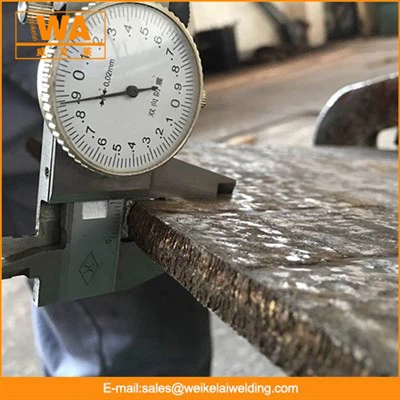
Conveyor wear liners play a crucial role in the efficient and long - lasting operation of conveyor systems. They protect conveyor components from abrasion, impact, and corrosion, thereby reducing maintenance costs and downtime. Surface treatments are an essential aspect of conveyor wear liners as they can significantly enhance the performance and durability of the liners. In this blog, as a conveyor wear liners supplier, I will explore the various surface treatments available for conveyor wear liners.
1. Polymer Coatings
Polymer coatings are a popular choice for conveyor wear liners. These coatings are typically made from materials such as polyurethane, epoxy, or polyethylene. They offer several advantages. Firstly, polymers have excellent abrasion resistance. They can withstand the constant rubbing and scraping of materials being conveyed, which helps to extend the lifespan of the wear liners. For example, in a mining conveyor system where abrasive ores are transported, a polyurethane - coated wear liner can significantly reduce the wear rate compared to an uncoated liner.
Secondly, polymer coatings can provide a smooth surface. This smoothness reduces friction between the conveyed material and the liner, which in turn reduces the energy consumption of the conveyor system. It also helps to prevent material build - up on the liner surface, ensuring a more consistent flow of materials.
Another benefit of polymer coatings is their chemical resistance. They can resist the corrosive effects of various chemicals that may be present in the conveyed materials. This is particularly important in industries such as chemical processing or food and beverage, where the conveyed substances may be acidic or alkaline. To learn more about wear protection linings, you can visit Wear Protection Linings.


2. Ceramic Coatings
Ceramic coatings are known for their extreme hardness and wear resistance. They are made from ceramic materials such as alumina, zirconia, or silicon carbide. When applied to conveyor wear liners, ceramic coatings can withstand high - impact and high - abrasion environments.
In industries like cement manufacturing or coal handling, where large and heavy materials are conveyed, ceramic - coated wear liners are highly effective. The hardness of the ceramic coating allows it to resist the impact of falling materials and the abrasion caused by their movement.
Ceramic coatings also have good thermal stability. They can maintain their properties at high temperatures, which is beneficial in applications where the conveyed materials are hot. For instance, in steel mills, where hot metal products are transported on conveyors, ceramic - coated wear liners can provide reliable protection.
3. Hardfacing
Hardfacing is a process of applying a hard, wear - resistant material to the surface of the conveyor wear liner. This is typically done using welding techniques. The hardfacing material can be a metal alloy such as chromium, nickel, or tungsten carbide.
One of the main advantages of hardfacing is its ability to repair and enhance existing wear liners. If a wear liner has started to show signs of wear, hardfacing can be used to restore its performance. By depositing a layer of hard material on the worn surface, the liner can regain its original functionality.
Hardfacing also offers excellent wear resistance in high - stress applications. In conveyor systems that handle sharp or angular materials, hardfaced wear liners can prevent premature failure. For example, in a quarry conveyor where rocks are being transported, hardfacing can protect the liner from the cutting and gouging action of the rocks. To explore more about chromium alloy steel mill liners, you can visit Chromium Alloy Steel Mill Liners.
4. Galvanizing
Galvanizing is a surface treatment method that involves coating the conveyor wear liner with a layer of zinc. This is usually done through a hot - dip galvanizing process, where the liner is immersed in a bath of molten zinc.
The primary benefit of galvanizing is its corrosion protection. Zinc acts as a sacrificial anode, which means it corrodes preferentially to the base metal of the wear liner. This protects the liner from rust and other forms of corrosion, especially in outdoor or humid environments.
Galvanized wear liners are commonly used in industries such as agriculture, construction, and waste management. In these industries, the conveyors are often exposed to moisture, soil, and other corrosive elements. Galvanizing helps to ensure the long - term durability of the wear liners in such conditions.
5. Plasma Spraying
Plasma spraying is a high - tech surface treatment process. It involves using a plasma torch to heat and accelerate powdered coating materials onto the surface of the conveyor wear liner. The coating materials can be ceramics, metals, or polymers.
Plasma - sprayed coatings offer several advantages. They can provide a very dense and uniform coating, which enhances the wear and corrosion resistance of the liner. The process also allows for precise control of the coating thickness and properties.
In applications where a high - performance surface treatment is required, such as in aerospace or high - end manufacturing, plasma - sprayed coatings on conveyor wear liners can meet the strict requirements. The ability to customize the coating according to specific needs makes plasma spraying a versatile option.
6. Paint Coatings
Paint coatings are a simple and cost - effective surface treatment for conveyor wear liners. They can provide basic protection against corrosion and also offer some degree of abrasion resistance.
There are different types of paint coatings available, such as epoxy paints, acrylic paints, and alkyd paints. Epoxy paints are known for their excellent adhesion and chemical resistance, while acrylic paints offer good weatherability.
Paint coatings can also be used for aesthetic purposes. They can be applied in different colors to identify different sections of the conveyor system or to match the company's color scheme. In addition, they can be used to provide a smooth surface finish, which helps to reduce friction and prevent material build - up.
Considerations When Choosing a Surface Treatment
When selecting a surface treatment for conveyor wear liners, several factors need to be considered. Firstly, the nature of the conveyed materials is crucial. If the materials are abrasive, a surface treatment with high abrasion resistance such as ceramic coatings or hardfacing may be required. If the materials are corrosive, a treatment with good chemical resistance like polymer coatings or galvanizing is more appropriate.
Secondly, the operating environment of the conveyor system matters. In high - temperature environments, surface treatments with good thermal stability such as ceramic coatings or plasma - sprayed coatings should be considered. In outdoor or humid environments, corrosion - resistant treatments like galvanizing or paint coatings are preferred.
Cost is also an important factor. Some surface treatments, such as plasma spraying, can be relatively expensive, while paint coatings are more cost - effective. The budget available for the project will influence the choice of surface treatment.
Conclusion
As a conveyor wear liners supplier, I understand the importance of choosing the right surface treatment for conveyor wear liners. Each surface treatment has its own unique advantages and is suitable for different applications. Whether it's polymer coatings for their abrasion and chemical resistance, ceramic coatings for extreme hardness, or hardfacing for high - stress applications, the right choice can significantly enhance the performance and lifespan of the wear liners.
If you are in need of conveyor wear liners and are considering the best surface treatment for your specific application, I encourage you to contact me. We can discuss your requirements in detail and provide you with the most suitable solutions. To learn more about chute wear liners, you can visit Chute Wear Liners.
References
- ASTM International. (20XX). Standards related to surface treatments for industrial components.
- ASM Handbook. (20XX). Surface engineering and coating technologies.
- Conveyor Equipment Manufacturers Association (CEMA). (20XX). Guidelines for conveyor system design and component selection.