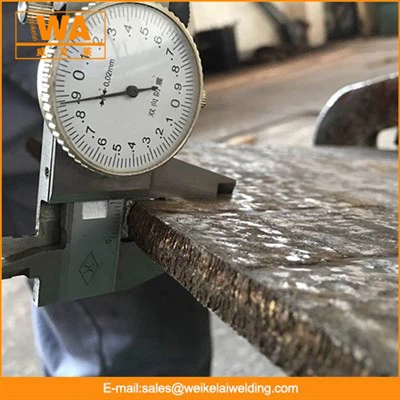
Hey there! As a supplier of Bent Cladding Pipes, I've seen my fair share of issues with leakage in these pipes. It's a real headache, not just for us suppliers but also for our customers. Leakage can lead to all sorts of problems, from environmental hazards to costly repairs. So, in this blog post, I'm gonna share some tips on how to prevent leakage in bent cladding pipes.
Understanding Bent Cladding Pipes
First off, let's talk a bit about what bent cladding pipes are. These pipes are basically regular pipes that have been bent to a specific angle and then clad with a protective layer. The cladding is usually made of a material that's more resistant to wear, corrosion, and abrasion than the base pipe material. This makes bent cladding pipes ideal for use in industries where there's a lot of abrasive or corrosive material flowing through the pipes, like mining, power generation, and chemical processing.
You can check out more about Bent Cladding Pipe on our website.
Common Causes of Leakage in Bent Cladding Pipes
Before we can talk about how to prevent leakage, we need to understand what causes it in the first place. There are several common causes of leakage in bent cladding pipes:
1. Improper Installation
One of the most common causes of leakage is improper installation. If the pipes aren't installed correctly, they can develop stress points that can lead to cracks and leaks over time. This can happen if the pipes aren't aligned properly, if the joints aren't tightened correctly, or if the pipes are subjected to excessive bending or twisting during installation.
2. Wear and Tear
Over time, the cladding on the pipes can wear down due to the constant flow of abrasive or corrosive material. This can expose the base pipe material, which is more susceptible to corrosion and wear. If the wear and tear isn't addressed in a timely manner, it can lead to holes and leaks in the pipes.


3. Corrosion
Corrosion is another major cause of leakage in bent cladding pipes. If the pipes are exposed to a corrosive environment, the cladding and the base pipe material can start to corrode. This can weaken the pipes and cause them to develop leaks.
4. Thermal Stress
Thermal stress can also cause leakage in bent cladding pipes. If the pipes are subjected to rapid temperature changes, they can expand and contract, which can create stress points in the pipes. Over time, these stress points can lead to cracks and leaks.
How to Prevent Leakage in Bent Cladding Pipes
Now that we know what causes leakage in bent cladding pipes, let's talk about how to prevent it. Here are some tips:
1. Proper Installation
The first step in preventing leakage is to ensure that the pipes are installed correctly. This means making sure that the pipes are aligned properly, that the joints are tightened correctly, and that the pipes aren't subjected to excessive bending or twisting during installation. It's also important to follow the manufacturer's installation instructions carefully.
2. Regular Inspection and Maintenance
Regular inspection and maintenance are essential for preventing leakage in bent cladding pipes. You should inspect the pipes regularly for signs of wear and tear, corrosion, and damage. If you notice any issues, you should address them immediately. This may involve replacing the cladding, repairing the pipes, or taking other corrective actions.
3. Use High-Quality Materials
Using high-quality materials is another important step in preventing leakage. Make sure that the pipes and the cladding are made of materials that are resistant to wear, corrosion, and abrasion. You can also consider using Hardfacing Abrasion Elbows and Wear Resistant Pipe to further enhance the durability of your pipes.
4. Control the Operating Environment
Controlling the operating environment can also help prevent leakage in bent cladding pipes. This means keeping the temperature and pressure within the recommended range, and avoiding exposing the pipes to corrosive or abrasive materials. If you can't avoid exposing the pipes to these materials, you should take steps to protect the pipes, such as using a protective coating or lining.
5. Train Your Staff
Finally, it's important to train your staff on how to handle and maintain bent cladding pipes properly. Make sure that they understand the importance of preventing leakage and that they know how to inspect and maintain the pipes correctly. This can help reduce the risk of leakage and ensure that your pipes last as long as possible.
Conclusion
Leakage in bent cladding pipes can be a major problem, but it doesn't have to be. By following the tips outlined in this blog post, you can prevent leakage and ensure that your pipes last as long as possible. Remember, proper installation, regular inspection and maintenance, using high-quality materials, controlling the operating environment, and training your staff are all key to preventing leakage in bent cladding pipes.
If you're interested in purchasing bent cladding pipes or have any questions about preventing leakage, please don't hesitate to contact us. We'd be happy to help you find the right solution for your needs.
References
- "Pipe Installation Best Practices." Industry Standards Handbook.
- "Wear and Corrosion in Pipes: Causes and Solutions." Journal of Pipeline Engineering.
- "Thermal Stress in Pipes: Understanding and Mitigation." International Journal of Thermal Engineering.