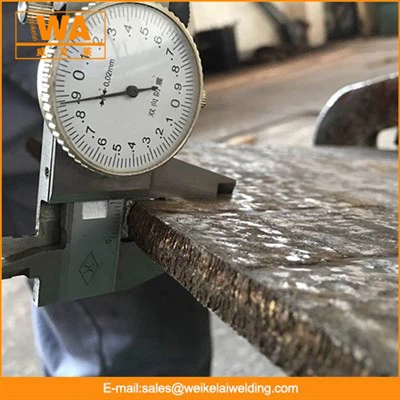
When it comes to the efficient and safe operation of industrial chutes, the installation of wear liners is a crucial step. As a well - established supplier of Chute Wear Liners, I understand the significance of following proper installation safety procedures. In this blog, I will delve into the key safety steps that must be taken during the installation of chute wear liners to ensure a secure and long - lasting installation.
Pre - installation Safety Checks
Site Inspection
Before starting the installation process, a thorough site inspection is essential. This includes examining the chute structure for any signs of damage, such as cracks, corrosion, or loose parts. Any existing structural issues should be addressed before installing the wear liners. For example, if there are cracks in the chute walls, they could compromise the integrity of the liner installation and lead to safety hazards during operation. Additionally, check the surrounding area for any potential obstacles or hazards that could interfere with the installation process, such as electrical cables, pipes, or moving machinery.
Personal Protective Equipment (PPE)
All personnel involved in the installation should be equipped with the appropriate PPE. This typically includes safety helmets to protect against falling objects, safety glasses to shield the eyes from debris, gloves to prevent cuts and abrasions, and steel - toed boots to protect the feet from heavy objects. Depending on the specific installation environment, additional PPE such as respiratory protection may also be required. For instance, if the installation involves working in a dusty area, respirators can help prevent inhalation of harmful particles.
Tool Inspection
Inspect all tools that will be used during the installation. Ensure that they are in good working condition and are appropriate for the task. For example, power tools should be checked for proper grounding and functionality. Hand tools such as wrenches and screwdrivers should be inspected for any signs of wear or damage. Faulty tools can not only lead to inefficient installation but also pose a significant safety risk to the workers.
Installation Process Safety
Lifting and Handling
Chute wear liners can be heavy and bulky, so proper lifting and handling techniques are crucial. Use appropriate lifting equipment such as cranes or forklifts to move the liners into position. Ensure that the lifting equipment is rated for the weight of the liners and is operated by a trained professional. When manually handling the liners, use proper lifting techniques, such as bending at the knees and keeping the back straight, to avoid back injuries.
Secure Attachment
The wear liners must be securely attached to the chute walls. Follow the manufacturer's instructions for the specific type of liner being installed. This may involve using bolts, adhesives, or welding. When using bolts, ensure that they are tightened to the correct torque specification. Over - tightening or under - tightening the bolts can lead to premature failure of the liner attachment. If welding is required, follow all welding safety procedures, including wearing appropriate welding PPE and ensuring proper ventilation in the work area.
Alignment
Proper alignment of the wear liners is essential for their effective performance. Misaligned liners can cause uneven wear, which can lead to premature failure and potential safety issues. Use alignment tools such as lasers or straightedges to ensure that the liners are installed in a straight and level manner. Check the alignment at multiple points during the installation process to ensure accuracy.
Working at Heights
If the installation involves working at heights, additional safety precautions must be taken. Workers should be trained in working at heights and should use appropriate fall protection equipment, such as safety harnesses and guardrails. Ensure that the work platform is stable and secure. Regularly inspect the fall protection equipment for any signs of damage or wear.


Post - installation Safety Checks
Final Inspection
Once the installation is complete, conduct a final inspection of the installed wear liners. Check for any loose bolts, gaps between the liners, or other signs of improper installation. Ensure that all safety guards and covers are in place and functioning correctly. This final inspection helps to identify and address any potential safety issues before the chute is put back into operation.
Cleaning and Debris Removal
Clean up the work area after the installation is finished. Remove any debris, tools, or leftover materials from the chute and the surrounding area. This not only helps to maintain a clean and safe work environment but also prevents any foreign objects from entering the chute during operation, which could cause damage to the wear liners or other equipment.
Training and Documentation
Provide training to the operators and maintenance personnel on the proper use and maintenance of the installed wear liners. This includes information on the expected lifespan of the liners, signs of wear and tear, and the correct procedures for replacement. Keep detailed documentation of the installation, including the type of liners installed, the installation date, and any inspection results. This documentation can be useful for future maintenance and safety audits.
Importance of Safety in Chute Wear Liner Installation
Following proper installation safety procedures is not only important for the well - being of the workers but also for the long - term performance of the chute system. A safe installation ensures that the wear liners are installed correctly, which can prevent premature failure, reduce maintenance costs, and improve the overall efficiency of the chute. Additionally, compliance with safety regulations helps to avoid potential legal issues and fines.
Other Related Wear Liners
In addition to Chute Wear Liners, we also offer Conveyor Wear Liners and Chromium Alloy Steel Mill Liners. These products are designed to provide excellent wear resistance in their respective applications. The same safety principles apply to the installation of these wear liners as well.
Contact for Purchase and Consultation
If you are in need of high - quality wear liners for your industrial applications, whether it's chute wear liners, conveyor wear liners, or chromium alloy steel mill liners, we are here to assist you. Our team of experts can provide you with detailed product information, installation guidance, and answer any questions you may have. Feel free to reach out to us for a consultation and to discuss your specific requirements. We are committed to providing you with the best solutions for your wear protection needs.
References
- Industrial Safety Standards Handbook, Third Edition.
- Manufacturer's Installation Guides for Chute Wear Liners.
- OSHA Guidelines for Construction and Industrial Safety.