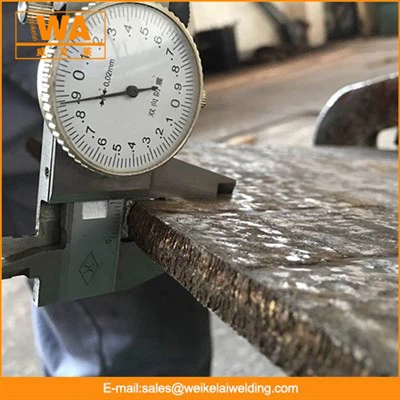
As a wear steel plate supplier, I've seen firsthand how crucial wear resistance is in various industries. Wear steel plates are used in everything from mining equipment to construction machinery, and their ability to withstand wear and tear can significantly impact the efficiency and lifespan of these machines. So, what are the factors affecting the wear resistance of wear steel plate? Let's dive in and take a closer look.
1. Chemical Composition
The chemical composition of a wear steel plate is one of the most significant factors affecting its wear resistance. Different elements play different roles in enhancing the plate's ability to resist wear.
Carbon (C)
Carbon is a key element in steel. It increases the hardness and strength of the steel, which in turn improves its wear resistance. However, too much carbon can make the steel brittle, reducing its toughness. So, there's a balance to strike when it comes to carbon content.
Chromium (Cr)
Chromium is another important element. It forms carbides in the steel, which are extremely hard and help to resist abrasion. Chromium also improves the steel's corrosion resistance, which is beneficial in environments where the plate may be exposed to corrosive substances.
Molybdenum (Mo)
Molybdenum enhances the hardenability of the steel, allowing it to maintain its hardness even at high temperatures. This is particularly useful in applications where the plate is subjected to high heat, such as in some industrial furnaces.
Nickel (Ni)
Nickel improves the toughness and ductility of the steel, making it less likely to crack under impact. It also helps to enhance the corrosion resistance of the steel.
2. Microstructure
The microstructure of the wear steel plate also has a significant impact on its wear resistance. Different microstructures can provide different levels of hardness, toughness, and wear resistance.
Martensite
Martensite is a very hard and brittle microstructure that can provide excellent wear resistance. It is typically formed through a rapid cooling process, such as quenching. However, because of its brittleness, martensitic steels may be more prone to cracking under impact.
Bainite
Bainite is a microstructure that offers a good balance between hardness and toughness. It is formed at a slower cooling rate than martensite and can provide good wear resistance, especially in applications where the plate is subjected to both abrasion and impact.
Pearlite
Pearlite is a relatively soft microstructure compared to martensite and bainite. It consists of alternating layers of ferrite and cementite. While it may not provide the same level of wear resistance as martensite or bainite, it can still be suitable for some less demanding applications.
3. Heat Treatment
Heat treatment is a crucial process in the production of wear steel plates. It can significantly alter the microstructure and properties of the steel, including its wear resistance.
Quenching
Quenching is a rapid cooling process that can transform the microstructure of the steel into martensite, which is very hard and wear-resistant. However, as mentioned earlier, quenched steels can be brittle, so they often need to be tempered to improve their toughness.
Tempering
Tempering is a heat treatment process that follows quenching. It involves heating the quenched steel to a specific temperature and then cooling it slowly. Tempering can reduce the brittleness of the steel while maintaining its hardness, improving its overall performance.
Annealing
Annealing is a heat treatment process that involves heating the steel to a high temperature and then cooling it slowly. It can soften the steel, relieve internal stresses, and improve its machinability. While annealing may not directly improve the wear resistance of the steel, it can be an important step in the manufacturing process.
4. Surface Finish
The surface finish of the wear steel plate can also affect its wear resistance. A smooth surface finish can reduce friction and wear, while a rough surface can increase the likelihood of abrasion.
Machining
Machining processes, such as grinding and polishing, can be used to achieve a smooth surface finish on the wear steel plate. This can improve its wear resistance, especially in applications where the plate is in contact with other surfaces.
Coating
Applying a coating to the surface of the wear steel plate can also enhance its wear resistance. There are various types of coatings available, such as ceramic coatings and hardfacing coatings. These coatings can provide an additional layer of protection against wear and corrosion. For example, Hardfacing Protection Steel Plate uses a hardfacing coating to improve its wear resistance.
5. Operating Conditions
The operating conditions in which the wear steel plate is used can also have a significant impact on its wear resistance.
Abrasive Particles
The size, shape, and hardness of the abrasive particles that the plate is exposed to can affect its wear rate. Larger, harder, and more angular particles can cause more severe wear than smaller, softer, and rounder particles.
Load
The load applied to the wear steel plate can also affect its wear resistance. Higher loads can increase the contact pressure between the plate and the abrasive particles, leading to more severe wear.
Temperature
The temperature of the operating environment can also impact the wear resistance of the steel plate. High temperatures can reduce the hardness of the steel, making it more susceptible to wear. On the other hand, low temperatures can make the steel more brittle, increasing the risk of cracking.
6. Design and Application
The design and application of the wear steel plate can also play a role in its wear resistance.


Plate Thickness
The thickness of the wear steel plate can affect its wear resistance. A thicker plate can generally withstand more wear than a thinner plate, as it has more material to lose before it fails.
Installation
Proper installation of the wear steel plate is crucial to ensure its optimal performance. Incorrect installation can lead to uneven loading, which can increase the wear rate of the plate.
Maintenance
Regular maintenance of the wear steel plate can also help to extend its lifespan. This can include cleaning the plate to remove abrasive particles, inspecting it for signs of wear and damage, and replacing it when necessary.
In conclusion, the wear resistance of a wear steel plate is affected by a variety of factors, including its chemical composition, microstructure, heat treatment, surface finish, operating conditions, and design and application. As a wear steel plate supplier, we understand the importance of these factors and strive to provide our customers with high-quality products that meet their specific needs. Whether you're looking for a Bimetal Wear Plate or a Bimetallic Wear Resistant Material, we have the expertise and experience to help you find the right solution.
If you're interested in purchasing wear steel plates or have any questions about our products, please don't hesitate to contact us. We're always happy to assist you with your procurement needs and look forward to discussing how we can help you improve the wear resistance of your equipment.
References
- ASM Handbook Volume 1: Properties and Selection: Irons, Steels, and High-Performance Alloys
- Fundamentals of Materials Science and Engineering: An Integrated Approach by William D. Callister Jr. and David G. Rethwisch
- Steel Metallurgy for the Non-Metallurgist by John R. Davis