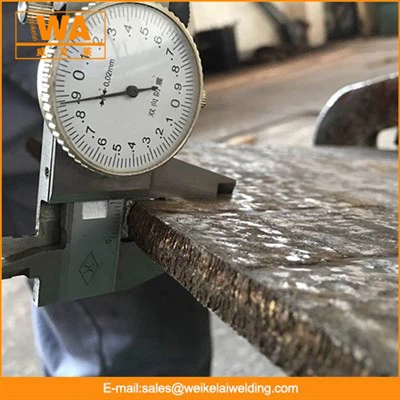
Hey there! As a supplier of chute wear liners, I've seen firsthand how these liners play a crucial role in the long - term operation of chutes. In this blog, I'll share my insights on how chute wear liners perform over an extended period.
Let's start by understanding what chute wear liners are. They are essentially protective layers installed inside chutes to prevent the chutes from getting damaged due to the constant flow of materials. Chutes are used in various industries like mining, cement, and power generation to transfer bulk materials from one point to another. These materials can be abrasive, heavy, and flow at high speeds, which can cause significant wear and tear on the chute walls. That's where wear liners come in.
One of the key factors in the long - term performance of chute wear liners is their material. Different materials have different properties, and choosing the right one can make a huge difference. For example, ceramic liners are known for their high hardness and excellent abrasion resistance. They can withstand the impact of hard and sharp materials for a long time. If you're dealing with materials like quartz or iron ore in a mining operation, ceramic liners are a great choice. You can check out more about Wear Protection Linings to get an idea of the different materials available.
On the other hand, rubber liners are flexible and can absorb shock. They are ideal for applications where there is a lot of impact, such as when materials are dropped from a height into the chute. Rubber liners can also reduce noise, which is an added bonus in a noisy industrial environment. And if you're looking for liners for conveyor systems, Conveyor Wear Liners offer a range of options that are designed to work well with conveyors.
Another important aspect is the installation of the wear liners. Proper installation is crucial for their long - term performance. If the liners are not installed correctly, they may not fit snugly against the chute walls, which can lead to gaps. These gaps can allow materials to get behind the liners and cause damage to the chute itself. It's also important to ensure that the liners are aligned properly, especially in multi - piece installations. A misaligned liner can cause uneven wear, reducing the overall lifespan of the liner.

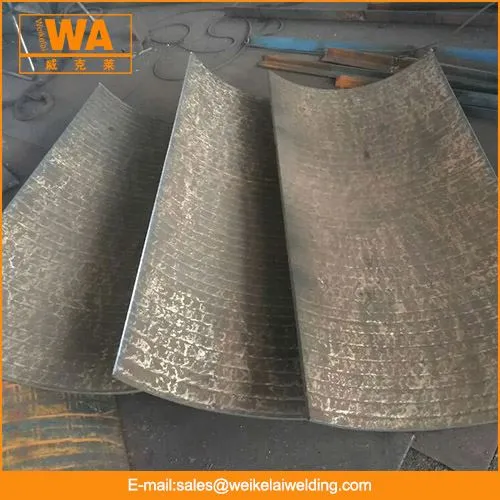
In the long - term operation of chutes, the flow rate of the materials also affects the performance of the wear liners. High flow rates mean that more material is passing through the chute in a given time, which can increase the wear on the liners. If the flow rate is too high, it can even cause the liners to vibrate, which can lead to premature failure. To combat this, you may need to choose liners that are specifically designed for high - flow applications. For instance, Chromium Alloy Steel Mill Liners are known for their strength and can handle high - flow situations better.
The shape and design of the chute also play a role. Chutes with sharp bends or corners can cause the materials to change direction abruptly, increasing the impact on the liners at those points. In such cases, it may be necessary to use special - shaped liners or add additional support to those areas. A well - designed chute with smooth curves can help distribute the wear more evenly across the liners, extending their lifespan.
Maintenance is another critical factor. Regular inspection of the wear liners is essential. You should look for signs of wear, such as thinning, cracks, or chips. If you notice any of these issues early on, you can take corrective action, like replacing the damaged liner or making minor repairs. It's also a good idea to clean the liners periodically to remove any built - up material that could cause additional wear.
Temperature can also have an impact on the performance of chute wear liners. In some industries, like cement production, the materials passing through the chutes can be very hot. Liners need to be able to withstand these high temperatures without losing their properties. Some materials, like certain types of ceramic, are better suited for high - temperature applications than others.
Now, let's talk about cost - effectiveness in the long - run. While high - quality wear liners may have a higher upfront cost, they often pay off in the long term. Cheaper liners may need to be replaced more frequently, which can add up to a significant cost over time. Plus, the downtime associated with replacing liners can also cost your business money. So, investing in good - quality liners from the start can save you both time and money in the long run.
In conclusion, chute wear liners are a vital part of the long - term operation of chutes. Their performance depends on a variety of factors, including the material, installation, flow rate, chute design, maintenance, and temperature. By understanding these factors and making the right choices, you can ensure that your chutes operate efficiently and your wear liners last as long as possible.
If you're interested in learning more about chute wear liners or are looking to purchase them for your operation, don't hesitate to get in touch. We're here to help you find the best solutions for your specific needs.
References
- General knowledge from years of experience in the chute wear liner industry.
- Technical data and research on different wear liner materials.