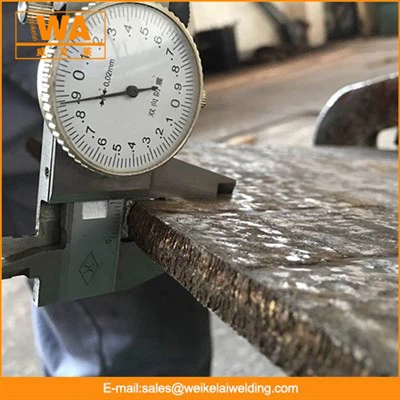
As a supplier of Chute Wear Liners, I've witnessed firsthand the numerous benefits these liners bring to industries dealing with abrasive materials. They are designed to protect chutes from wear and tear, extend their lifespan, and enhance operational efficiency. However, like any product, Chute Wear Liners are not without their drawbacks. In this blog, I'll explore some of the disadvantages associated with using chute wear liners, providing a balanced perspective for potential buyers.
High Initial Cost
One of the most significant disadvantages of using chute wear liners is the high initial investment. These liners are often made from specialized materials such as Metallic Wear Liners that are engineered to withstand extreme abrasion and impact. The manufacturing process for these high - performance materials is complex and costly, which is reflected in the price of the liners. For small and medium - sized enterprises with limited budgets, the upfront cost of purchasing and installing chute wear liners can be a major deterrent.
Moreover, the installation of chute wear liners may require specialized labor and equipment. Professional installers are needed to ensure that the liners are correctly fitted, which adds to the overall cost. This high initial expense can make it difficult for some companies to justify the purchase, especially if they are unsure about the long - term benefits.
Limited Compatibility
Chute wear liners come in a variety of materials and designs, each suited to different operating conditions. Selecting the wrong liner for a particular application can lead to poor performance and even premature failure. For example, a liner that is designed for low - impact, fine - particle applications may not be suitable for a chute handling large, abrasive rocks. In such cases, the liner may wear out quickly, leading to increased maintenance costs and downtime.
Additionally, some chute wear liners may not be compatible with certain types of materials being transported. Chemical reactions between the liner material and the conveyed substance can occur, causing corrosion or degradation of the liner. This can not only reduce the effectiveness of the liner but also contaminate the product being transported, which is a serious concern in industries such as food and pharmaceuticals.

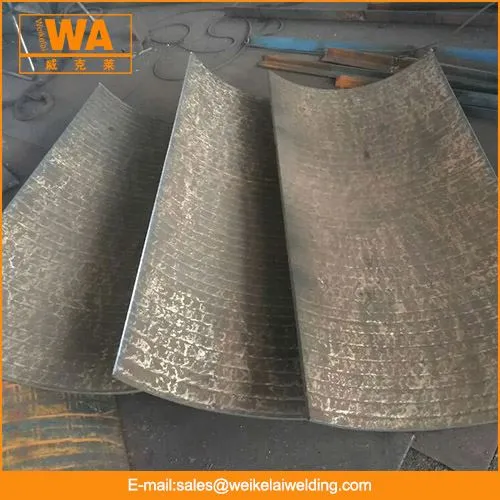
Maintenance and Replacement Challenges
While chute wear liners are designed to be durable, they do require regular maintenance to ensure optimal performance. Inspecting the liners for signs of wear, damage, or loose fittings is essential. However, accessing the liners for inspection and maintenance can be difficult, especially in large or complex chute systems. This may require shutting down the operation, which can result in significant production losses.
When it comes time to replace worn - out liners, the process can be time - consuming and labor - intensive. Removing the old liners and installing new ones often requires specialized tools and skills. Moreover, the availability of replacement liners can be an issue, especially for custom - made or less common liner types. Delays in obtaining replacement parts can lead to extended downtime, which can have a negative impact on the company's bottom line.
Environmental Impact
The production and disposal of chute wear liners can have a significant environmental impact. Many liner materials are derived from non - renewable resources, and the manufacturing process often involves high energy consumption and the release of pollutants. For companies that are committed to environmental sustainability, this can be a major concern.
In addition, disposing of worn - out liners can be challenging. Some liner materials may be hazardous and require special handling and disposal procedures. Improper disposal can lead to environmental contamination, which can have long - term consequences for the ecosystem.
Weight and Space Constraints
Chute wear liners can add significant weight to the chute system. In applications where weight is a critical factor, such as in mobile equipment or structures with limited load - bearing capacity, this can be a major drawback. The additional weight can affect the performance and stability of the equipment, and may even require modifications to the existing structure to accommodate the liners.
Furthermore, chute wear liners take up space inside the chute. This can reduce the effective cross - sectional area of the chute, which may lead to reduced flow rates and increased the risk of blockages. In some cases, the space occupied by the liners may limit the size of the particles that can be transported through the chute, which can be a problem for industries dealing with large - sized materials.
Impact on Flow Characteristics
The presence of chute wear liners can alter the flow characteristics of the material being transported. The surface roughness of the liner can affect the friction between the material and the chute wall, which can either increase or decrease the flow rate. In some cases, the liner may cause the material to stick or build up on the chute wall, leading to blockages and reduced efficiency.
Moreover, the shape and design of the liner can influence the flow pattern of the material. A poorly designed liner may cause the material to flow unevenly, leading to uneven wear on the liner and the chute walls. This can reduce the lifespan of the liner and increase the risk of structural damage to the chute.
Cost - Benefit Uncertainty
Determining the cost - benefit ratio of using chute wear liners can be challenging. While the liners are expected to reduce maintenance costs and extend the lifespan of the chute, the actual savings may vary depending on a variety of factors, such as the operating conditions, the type of material being transported, and the frequency of use.
In some cases, the cost of purchasing and installing the liners may not be offset by the savings in maintenance and replacement costs. This uncertainty can make it difficult for companies to make informed decisions about whether to invest in chute wear liners.
Despite these disadvantages, chute wear liners remain a valuable solution for many industries. When properly selected and maintained, they can provide significant benefits in terms of wear protection and operational efficiency. If you are considering using Chute Wear Liners or Wear Protection Linings for your application, I encourage you to contact us for a detailed consultation. Our team of experts can help you assess your specific needs, select the most suitable liner, and provide guidance on installation and maintenance. We are committed to helping you make the best decision for your business, taking into account both the advantages and disadvantages of using chute wear liners.
References
- "Wear Protection in Bulk Material Handling", Industrial Minerals Handbook
- "Abrasion and Erosion: Wear of Materials", ASM Handbook Volume 18
- "Chute Design and Operation: Best Practice Guidelines", Minerals Industry Research Association of Western Australia