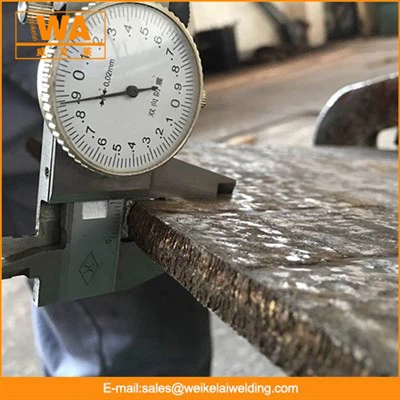
Hey there, welding enthusiasts! As a supplier of Open Arc Welding Wire, I've seen my fair share of welding issues. One of the most common problems that welders face is incomplete penetration. It can be a real headache, leading to weak welds and a whole lot of rework. But don't worry, I'm here to share some tips on how to prevent incomplete penetration when using open arc welding wire.
Understanding Incomplete Penetration
First things first, let's talk about what incomplete penetration actually is. In simple terms, it's when the weld doesn't fully fuse with the base metal. This can happen for a few reasons, like incorrect welding parameters, poor joint preparation, or the wrong type of welding wire. When you have incomplete penetration, the weld isn't as strong as it should be, and it can lead to cracks and failures down the line.
Choosing the Right Welding Wire
The type of welding wire you use plays a huge role in preventing incomplete penetration. As an Open Arc Welding Wire supplier, I know that different wires are designed for different applications. For instance, Solid Wire Welding is great for general-purpose welding and can provide good penetration in many cases. It's smooth and easy to use, making it a popular choice among welders.
On the other hand, Seamless Flux Cored Wire is another option. This wire has a flux core that helps protect the weld from impurities and can improve penetration, especially in thicker materials. It's a bit more forgiving when it comes to joint preparation and can handle a wider range of welding conditions.
If you're dealing with materials that require extra protection against corrosion or wear, Resistant Flux Core Wire might be the way to go. This wire is designed to provide a strong, durable weld with good penetration and excellent resistance properties.
Proper Joint Preparation
Before you start welding, it's crucial to prepare the joint properly. This means cleaning the base metal to remove any dirt, rust, or paint. A clean surface allows the welding wire to bond better with the metal, improving penetration. You can use a wire brush, grinder, or chemical cleaner to get the surface nice and clean.
The joint design also matters. Make sure the joint has the right angle and gap. If the gap is too small, the weld might not be able to penetrate fully. On the other hand, if the gap is too large, you might end up with a weak weld. Follow the recommended joint design for the specific application and material you're working with.
Adjusting Welding Parameters
Getting the welding parameters right is key to preventing incomplete penetration. The three main parameters you need to pay attention to are voltage, amperage, and travel speed.
Voltage affects the arc length. If the voltage is too low, the arc might be too short, and the weld won't penetrate deeply enough. If the voltage is too high, the arc can become unstable, leading to other welding problems. You need to find the sweet spot for the type of wire and material you're using.
Amperage determines the heat input. A higher amperage means more heat, which can help the weld penetrate deeper. But be careful not to go too high, as it can cause the metal to overheat and warp. Adjust the amperage based on the thickness of the material and the type of welding wire.
Travel speed is how fast you move the welding torch along the joint. If you move too fast, the weld might not have enough time to penetrate the base metal. If you move too slow, you can end up with a wide, shallow weld. Find a consistent travel speed that allows the weld to penetrate properly.
Welding Technique
Your welding technique can also make a big difference in preventing incomplete penetration. Hold the welding torch at the right angle. A common angle is around 10 to 15 degrees from vertical. This angle helps direct the heat and the molten metal into the joint, improving penetration.
Use a weaving motion when welding. This helps spread the heat and the weld metal evenly across the joint. But don't overdo it. A simple back-and-forth motion is usually enough.
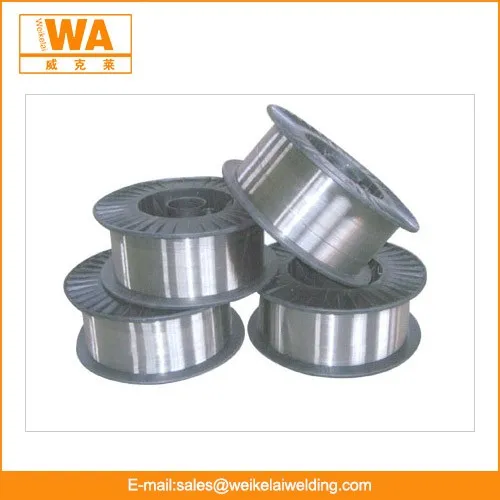

Keep the arc stable. If the arc is flickering or jumping around, it can lead to inconsistent penetration. Make sure the contact tip is in good condition and that the wire is feeding smoothly.
Training and Practice
Let's face it, welding is a skill that takes time and practice to master. If you're new to welding or having trouble with incomplete penetration, consider taking a welding course. A professional instructor can teach you the proper techniques and help you troubleshoot any problems.
Practice on scrap metal before you start working on your actual project. This allows you to experiment with different welding parameters and techniques without the pressure of getting it right on the first try. The more you practice, the better you'll get at preventing incomplete penetration and producing high-quality welds.
Conclusion
Preventing incomplete penetration when using open arc welding wire isn't always easy, but it's definitely doable. By choosing the right welding wire, preparing the joint properly, adjusting the welding parameters, using the correct technique, and getting enough training and practice, you can significantly reduce the risk of incomplete penetration.
As an Open Arc Welding Wire supplier, I'm here to help you find the best wire for your needs. Whether you're a professional welder or a DIY enthusiast, I've got the products and expertise to support you. If you're interested in learning more about our welding wires or have any questions about preventing incomplete penetration, don't hesitate to reach out. We're always happy to have a chat and discuss your welding requirements. Let's work together to create strong, reliable welds!
References
- American Welding Society. (Year). Welding Handbook.
- Various industry publications on welding techniques and best practices.