Hey there! As a supplier of wear-resistant alloys, I've been getting a bunch of questions lately about how these alloys perform under high-temperature conditions. So, I thought I'd sit down and write this blog to share some insights.
First off, let's talk about what wear-resistant alloys are. These are special materials designed to withstand wear and tear, which is super important in industries like mining, construction, and manufacturing. They're made by combining different metals to create a material that's tough as nails.
Now, when it comes to high-temperature conditions, things get a bit tricky. High temperatures can have a big impact on the performance of wear-resistant alloys. One of the main issues is thermal expansion. When metals are heated, they expand. If the alloy isn't designed to handle this expansion properly, it can lead to cracking and other forms of damage.
But don't worry! Many wear-resistant alloys are specifically engineered to perform well in high temperatures. For example, some alloys contain elements like chromium and nickel, which help to increase the alloy's resistance to heat. These elements form a protective layer on the surface of the alloy, preventing it from oxidizing and corroding at high temperatures.
Another factor to consider is the hardness of the alloy. Hardness is a measure of how resistant a material is to indentation and scratching. In high-temperature environments, the hardness of an alloy can decrease, which can affect its wear resistance. However, some wear-resistant alloys are designed to maintain their hardness even at high temperatures. These alloys are often used in applications where high wear resistance is required, such as in the manufacturing of cutting tools and engine components.
Let's take a look at some real-world examples. In the mining industry, wear-resistant alloys are used in the construction of crushers and conveyor belts. These machines operate in harsh environments, where they're exposed to high temperatures and abrasive materials. By using wear-resistant alloys, mining companies can extend the lifespan of their equipment and reduce maintenance costs.
In the manufacturing industry, wear-resistant alloys are used in the production of molds and dies. These tools are subjected to high pressures and temperatures during the manufacturing process. By using wear-resistant alloys, manufacturers can ensure that their molds and dies last longer and produce high-quality products.
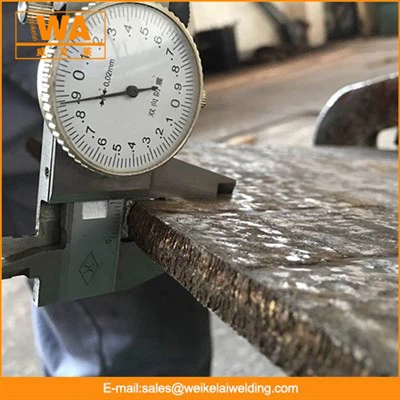
Now, I want to mention some of the products we offer as a wear-resistant alloys supplier. We have a wide range of Hardfacing Wear Plate that are designed to provide excellent wear resistance in high-temperature applications. These plates are made using advanced hardfacing techniques, which ensure a uniform and durable coating.
We also offer High Wear Resistant Steel, which is ideal for applications where high strength and wear resistance are required. This steel is heat-treated to enhance its properties, making it suitable for use in a variety of industries.
And if you're looking for a more general-purpose wear-resistant material, our Anti Wear Steel is a great option. It provides good wear resistance at a reasonable cost, making it a popular choice for many applications.
So, how can you choose the right wear-resistant alloy for your high-temperature application? Well, it depends on a few factors. First, you need to consider the temperature range in which the alloy will be operating. Different alloys have different temperature limits, so it's important to choose one that can handle the specific temperatures in your application.
You also need to think about the type of wear the alloy will be exposed to. Is it abrasive wear, impact wear, or something else? Different alloys are better suited for different types of wear, so you need to choose one that matches the wear conditions in your application.
Finally, you need to consider the cost. Wear-resistant alloys can vary in price depending on their composition and properties. It's important to find a balance between performance and cost, so you can get the best value for your money.


If you're still not sure which wear-resistant alloy is right for you, don't hesitate to contact us. Our team of experts is always happy to help you choose the right material for your application. We can provide you with detailed information about our products and answer any questions you may have.
In conclusion, wear-resistant alloys can perform very well under high-temperature conditions if they're properly designed and selected. By understanding the factors that affect their performance and choosing the right alloy for your application, you can ensure that your equipment lasts longer and operates more efficiently.
So, if you're in the market for wear-resistant alloys, give us a shout. We're here to help you find the perfect solution for your high-temperature needs.
References
- ASM Handbook, Volume 1: Properties and Selection: Irons, Steels, and High-Performance Alloys
- Wear of Materials Handbook, Second Edition