Hey there! As a supplier of Conveyor Wear Liners, I've seen firsthand the importance of compatibility between these liners and different conveyor types. It's not always a one - size - fits - all situation, and getting it wrong can lead to a whole bunch of problems. So, let's dive into the compatibility issues of conveyor wear liners with different conveyor types.
Belt Conveyors
Belt conveyors are super common in industries like mining, agriculture, and manufacturing. They're used to move all sorts of materials, from grains to heavy ores. When it comes to choosing wear liners for belt conveyors, there are a few key aspects to consider.
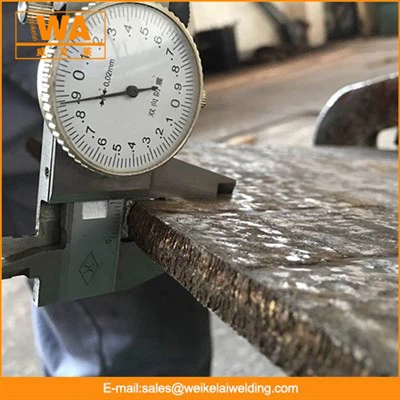
One of the main issues is the abrasion resistance of the liner. Belt conveyors are constantly in motion, and the material being transported can really wear down the surface. That's why we need a liner with high abrasion resistance. For example, Chromium Alloy Steel Mill Liners are a great option here. They're tough as nails and can withstand the constant rubbing and scraping from the material on the belt.
But it's not just about abrasion. The flexibility of the liner also matters. Belt conveyors have curves and twists, and the liner needs to be able to bend and conform to these shapes without cracking or coming loose. If the liner is too rigid, it can cause problems with the smooth operation of the belt, leading to jams and increased wear on the belt itself.
Another factor is the coefficient of friction. The liner should have the right amount of friction to keep the material on the belt, but not so much that it causes excessive drag. If the friction is too high, the motor has to work harder, which can increase energy consumption and reduce the lifespan of the conveyor components.
Screw Conveyors
Screw conveyors are used to move materials in a more confined space, often in a horizontal or inclined direction. They're great for handling powders, granules, and semi - solid materials. When it comes to wear liners for screw conveyors, the challenges are a bit different.
The shape and design of the liner need to match the screw's geometry. A poorly fitting liner can prevent the screw from turning smoothly, reducing the efficiency of the conveyor. We need a liner that can follow the spiral path of the screw without getting in the way.
In terms of material, the wear liner needs to be able to withstand the intense pressure and shearing forces generated by the rotating screw. Wear Protection Linings can be a good choice here. They're designed to handle high - stress environments and protect the conveyor from the wear caused by the material being pushed through.
Also, the liner should resist corrosion, especially if the conveyed material is wet or contains corrosive substances. Corrosion can weaken the liner over time, leading to leaks and reduced performance.
Chain Conveyors
Chain conveyors are used for heavy - duty applications, such as moving large and bulky items. They're known for their durability and strength. But this also means that the wear liners for chain conveyors have to be up to the task.
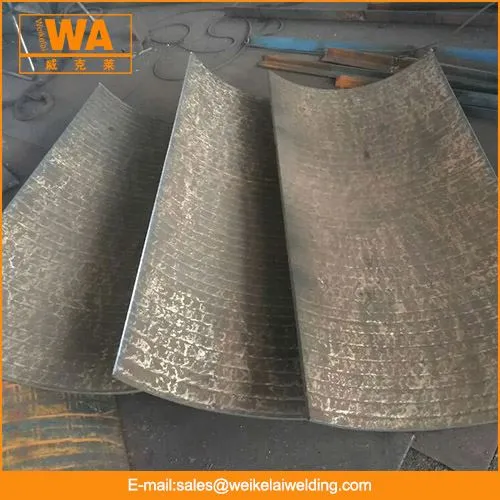

The liner needs to be able to handle the impact of the chain and the material being transported. When heavy items are dropped onto the conveyor, the liner should absorb the shock and prevent damage to the conveyor structure. A hard - wearing and impact - resistant liner is essential.
The compatibility with the chain itself is another crucial aspect. The liner should not interfere with the movement of the chain links. If it does, it can cause the chain to jam or break, leading to costly downtime. A proper fit between the liner and the chain ensures smooth operation and longer service life.
Chute Conveyors
Chute conveyors are used to direct the flow of materials from one level to another. They're often used in combination with other types of conveyors. Chute Wear Liners play a vital role in ensuring the efficient operation of these conveyors.
The main challenge with chute conveyors is the high - velocity impact of the material as it falls through the chute. The liner needs to be able to withstand this impact without breaking or wearing out quickly. A high - impact - resistant liner is a must.
Also, the shape of the chute can vary, and the liner should be able to fit snugly into the chute's contours. A loose - fitting liner can cause material to get stuck or spill out of the chute, reducing the efficiency of the conveyor system.
How to Ensure Compatibility
To make sure you get the right conveyor wear liner for your specific conveyor type, there are a few steps you can take.
First, understand the properties of the material you're transporting. Is it abrasive, corrosive, or wet? Knowing this will help you choose the right liner material.
Second, consider the operating conditions of the conveyor. What's the temperature like? Is there a lot of dust or moisture in the environment? These factors can affect the performance of the liner.
Third, consult with an expert. As a Conveyor Wear Liners supplier, I'm always happy to help customers find the best liner for their needs. We have a lot of experience in this field and can offer valuable insights based on your specific situation.
Conclusion
So, as you can see, the compatibility of conveyor wear liners with different conveyor types is a complex but important issue. Choosing the wrong liner can lead to reduced efficiency, increased maintenance costs, and even safety hazards. By understanding the unique requirements of each conveyor type and taking the necessary steps to ensure compatibility, you can keep your conveyor system running smoothly and efficiently.
If you're in the market for conveyor wear liners and want to discuss your specific needs, don't hesitate to reach out. We're here to help you find the perfect solution for your conveyor system.