

When it comes to alloy steel plates, understanding the difference between low - alloy and high - alloy steel plates is crucial for making informed decisions in various industries. As a leading Alloy Steel Plate supplier, I have witnessed firsthand how these two types of steel plates cater to different needs and applications. In this blog post, I'll delve into the key differences, properties, and applications of low - alloy and high - alloy steel plates.
Chemical Composition
The fundamental difference between low - alloy and high - alloy steel plates lies in their chemical composition. Low - alloy steel plates contain a relatively small amount of alloying elements, typically less than 5% in total. These alloying elements are carefully selected to enhance specific properties, such as strength, toughness, or corrosion resistance. Common alloying elements in low - alloy steel include manganese, nickel, chromium, molybdenum, and vanadium.
On the other hand, high - alloy steel plates contain a significant amount of alloying elements, usually more than 5% and sometimes up to 50% or even higher. High - alloy steels often include large amounts of chromium, nickel, tungsten, and other elements. For example, stainless steel, a well - known high - alloy steel, contains at least 10.5% chromium, which gives it excellent corrosion resistance.
Mechanical Properties
The mechanical properties of low - alloy and high - alloy steel plates differ substantially due to their chemical compositions.
Strength
Low - alloy steel plates generally have good strength. The small amount of alloying elements can effectively increase the yield strength and tensile strength of the steel. They are suitable for applications where moderate strength is required, such as in the construction of bridges, buildings, and general machinery. High - alloy steel plates, however, can achieve extremely high strength levels. For example, high - strength high - alloy steels used in the aerospace and defense industries can withstand very high stresses, making them ideal for critical components like aircraft landing gears and missile casings.
Toughness
Toughness refers to a material's ability to absorb energy and deform plastically before fracturing. Low - alloy steel plates often have good toughness, especially at low temperatures. This makes them suitable for use in cold environments, such as in Arctic oil rigs. High - alloy steel plates can also have high toughness, but it depends on the specific alloying elements. Some high - alloy steels, like austenitic stainless steels, have excellent toughness at both high and low temperatures.
Ductility
Ductility is the ability of a material to be stretched or drawn without breaking. Low - alloy steel plates usually have reasonable ductility, which allows them to be formed into various shapes through processes like rolling, forging, and bending. High - alloy steel plates can have variable ductility. Some high - alloy steels, especially those with a high content of hardening elements, may have lower ductility and require more careful processing.
Corrosion Resistance
Corrosion resistance is another significant difference between low - alloy and high - alloy steel plates.

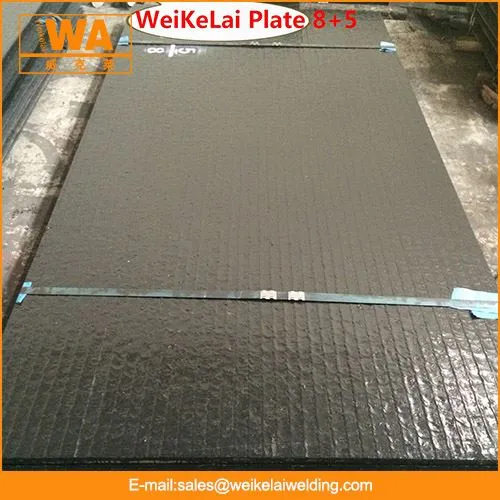
Low - alloy steel plates have some degree of corrosion resistance, which can be improved by the addition of alloying elements such as copper, chromium, and nickel. However, their corrosion resistance is generally limited compared to high - alloy steel plates. High - alloy steel plates, particularly those with high chromium and nickel content, offer excellent corrosion resistance. For example, Composite Wear Plates made from high - alloy steels are often used in harsh environments, such as in chemical plants and offshore platforms, where they are exposed to corrosive substances.
Wear Resistance
Wear resistance is an important property in applications where the steel plates are subject to friction, abrasion, or impact.
Low - alloy steel plates can have moderate wear resistance, which can be enhanced through heat treatment and the addition of small amounts of alloying elements. High - alloy steel plates, on the other hand, can provide superior wear resistance. Tungsten Carbide Plate is a prime example of a high - alloy steel product with excellent wear resistance. Tungsten carbide is extremely hard, and when incorporated into a steel matrix, it can significantly improve the wear resistance of the plate. These plates are commonly used in mining, cement, and quarrying industries, where they are exposed to severe wear conditions.
Heat Resistance
In applications where high temperatures are involved, the heat resistance of the steel plates becomes crucial.
Low - alloy steel plates have limited heat resistance. At high temperatures, their strength and other mechanical properties may degrade significantly. High - alloy steel plates, however, can maintain their mechanical properties at elevated temperatures. Some high - alloy steels, such as those used in gas turbines and power plants, can withstand temperatures of over 1000°C. Hardfacing Processed Plate is often made from high - alloy steels to provide both wear and heat resistance in high - temperature applications.
Applications
The differences in properties between low - alloy and high - alloy steel plates lead to different applications.
Low - alloy steel plates
- Construction: Low - alloy steel plates are widely used in the construction industry for building structures, bridges, and towers. Their good strength and relatively low cost make them a popular choice.
- Machinery: They are used in the manufacturing of general machinery, such as agricultural machinery, construction equipment, and automotive parts.
- Pipeline: Low - alloy steel plates are used to make pipelines for transporting oil, gas, and water due to their good weldability and moderate corrosion resistance.
High - alloy steel plates
- Aerospace: High - alloy steel plates are used in aircraft and spacecraft components, where high strength, light weight, and corrosion resistance are required.
- Chemical and Petrochemical: These plates are used in the construction of chemical reactors, storage tanks, and pipelines in the chemical and petrochemical industries due to their excellent corrosion resistance.
- Mining and Quarrying: High - alloy steel plates with high wear resistance, such as tungsten carbide plates, are used in mining equipment, crushers, and screens.
Conclusion
In conclusion, the differences between low - alloy and high - alloy steel plates are significant in terms of chemical composition, mechanical properties, corrosion resistance, wear resistance, heat resistance, and applications. As an Alloy Steel Plate supplier, I understand that choosing the right type of steel plate is essential for meeting the specific requirements of each project. Whether you need a low - alloy steel plate for general construction or a high - alloy steel plate for a high - performance application, we can provide you with the best solutions.
If you are interested in purchasing alloy steel plates or need more information about our products, please feel free to contact us for procurement negotiations. We are committed to providing high - quality products and excellent customer service.
References
- ASM Handbook Volume 1: Properties and Selection: Irons, Steels, and High - Performance Alloys
- Steel: Processing, Structure, and Performance, Second Edition by Edgar O. Schulz
- Metallurgy for the Non - Metallurgist, Third Edition by Joseph R. Davis





