

When it comes to choosing a wear plate, one of the most critical factors you gotta consider is its hardness. I'm a wear plate supplier, and I've seen firsthand how the right hardness can make or break a wear - plate application. So, in this blog, I'll walk you through how to choose a wear plate based on its hardness.
First off, let's understand why hardness is so important. Wear plates are used in applications where there's a lot of abrasion, impact, and friction. The harder the wear plate, the more resistant it is to these forces. A hard wear plate will last longer, reducing the need for frequent replacements. This can save you a ton of money in the long run, not to mention the time and effort spent on changing out worn - out plates.
There are different ways to measure the hardness of a wear plate. The most common methods are the Brinell, Rockwell, and Vickers hardness tests. Each test has its own scale and is suitable for different types of materials. For us in the wear - plate industry, the Brinell hardness number (BHN) is often used. It gives a good indication of how well a plate can withstand wear.
Now, let's talk about the different levels of hardness and where they're best used.
Low - hardness wear plates (170 - 250 BHN)
These wear plates are relatively soft compared to others. They're more ductile, which means they can bend and deform without breaking easily. This makes them a great choice for applications where there's a lot of impact but not so much abrasion. For example, in some mining equipment where large rocks are being loaded and unloaded, the wear plates need to absorb the impact of the rocks. A low - hardness wear plate can handle these impacts well without cracking. However, they wear out faster when exposed to abrasive materials like sand. If your application involves a lot of scraping or rubbing against rough surfaces, a low - hardness plate might not be the best option.
Medium - hardness wear plates (250 - 400 BHN)
Medium - hardness wear plates strike a balance between hardness and ductility. They're harder than the low - hardness ones, so they offer better resistance to abrasion. At the same time, they still have enough ductility to handle some impact. These wear plates are commonly used in industries such as construction and agriculture. In construction equipment like bulldozers, the blades often use medium - hardness wear plates. They need to push and move soil, rocks, and other materials, which means they face both abrasion and occasional impacts. The Smooth Wear Plate we offer is available in medium - hardness options and is a good fit for such applications. It has a smooth surface that helps in the efficient movement of materials while providing decent wear resistance.
High - hardness wear plates (400 - 600 BHN)
High - hardness wear plates are designed for applications with extreme abrasion. They're made to handle the toughest wear conditions. These plates are used in industries like mining, quarrying, and cement production. In a mining operation, where conveyor belts carry large amounts of sharp and abrasive ore, high - hardness wear plates are essential. They can withstand the continuous scraping and scratching of the ore particles. But there's a trade - off. High - hardness plates are less ductile, which means they're more prone to cracking when subjected to high - impact loads. So, if your application has a significant impact factor, you need to carefully assess whether a high - hardness plate is right for you. Our CCO Wear Plate in high - hardness grades is well - suited for these heavy - duty abrasive applications.
Ultra - high - hardness wear plates (above 600 BHN)
These are the toughest of the tough. Ultra - high - hardness wear plates are used in the most extreme wear environments. They can resist the abrasion of the hardest materials, like diamond - like particles and some of the toughest ores. However, they're extremely brittle. They're often used in very specific applications where the impact is minimized, but the abrasion is intense. For example, in some metal - cutting processes where the cutting tools come in contact with extremely hard metals, ultra - high - hardness wear plates can be used as backing plates to protect the equipment. Our range of Wear Resistant Alloys includes some ultra - high - hardness options that are engineered to handle these extreme conditions.
Another thing to keep in mind when choosing a wear plate based on hardness is the material composition. Different alloys and heat - treatment processes can affect the hardness and other properties of the wear plate. For example, adding elements like chromium, nickel, and molybdenum can increase the hardness and wear resistance of the plate. Heat treatment can also be used to adjust the hardness and ductility of the material.
When you're making a decision, it's also a good idea to consider the cost. Generally, the harder the wear plate, the more expensive it is. You need to weigh the cost against the expected lifespan and performance of the plate. Sometimes, a slightly less hard plate that costs less might be a better option if it can still meet your requirements and save you some money.
In addition to the factors above, you should also consider the thickness of the wear plate. Thicker plates can provide more wear life, but they also add weight and cost. You need to find the right balance between thickness and hardness based on your specific application.

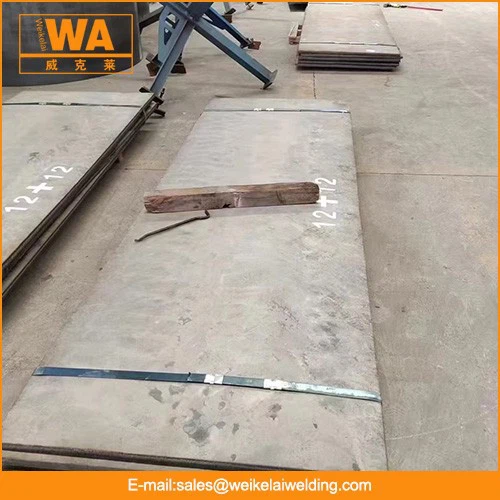
To sum it up, choosing the right wear plate based on its hardness requires a good understanding of your application's wear conditions, including the type and intensity of abrasion and impact. You also need to consider the material composition, cost, and thickness. If you're still not sure which wear plate is best for you, don't hesitate to reach out. As a wear - plate supplier, I have the experience and knowledge to help you make the right choice. Whether you need a low - hardness plate for high - impact applications or a high - hardness plate for extreme abrasion, we've got you covered. Just drop us a line and we can start a discussion about your wear - plate needs.
References
- "Wear Materials Handbook", published by an industry - recognized materials science publishing house.
- Various research papers on wear plate technology in leading engineering and materials science journals.



