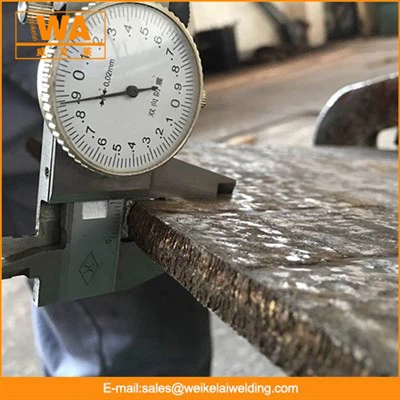
Yo, fellow jewelry enthusiasts! I'm stoked to chat with you today about an unexpected player in the jewelry - manufacturing scene: bimetal wear plate. As a supplier of bimetal wear plates, I've seen firsthand how this material is making waves in the world of bling.
Let's start by getting a basic understanding of what bimetal wear plate is. It's essentially a composite material made up of two different metals. These metals are bonded together to combine the unique properties of each. One metal might offer high strength, while the other could provide excellent corrosion resistance. This combination makes bimetal wear plates incredibly versatile.
Now, you might be scratching your head and wondering, "How on earth does a wear plate fit into jewelry - manufacturing?" Well, let me break it down for you.
1. Durability and Long - lasting Jewelry
One of the biggest challenges in jewelry - making is ensuring that the pieces can withstand the test of time. We all know how easily jewelry can get scratched, dented, or worn out. That's where bimetal wear plates come in. The wear - resistant properties of these plates make them ideal for creating jewelry that can take a beating.
For example, rings are one of the most commonly worn pieces of jewelry. They're constantly rubbing against surfaces, getting knocked around. By using bimetal wear plates in ring manufacturing, jewelers can create rings that maintain their shine and shape for years. The outer layer of the bimetal plate, which is usually the more wear - resistant metal, acts as a protective shield for the ring. It prevents scratches and abrasions, keeping the ring looking as good as new.
Bracelets and necklaces also benefit from the durability of bimetal wear plates. These pieces often come into contact with clothing, bags, and other objects throughout the day. With a bimetal construction, they can resist the daily wear and tear that would otherwise cause them to lose their luster.
2. Unique Aesthetic Appeal
In the world of jewelry, aesthetics are everything. Bimetal wear plates offer a unique visual appeal that can set a piece apart from the rest. Since they're made up of two different metals, they create an interesting contrast in color and texture.
Imagine a pendant made from a bimetal wear plate. One metal could be a shiny, silver - colored alloy, while the other could be a warm, gold - toned metal. The combination of these two metals creates a striking visual effect that catches the eye. Jewelers can play around with different metal combinations and patterns to create truly one - of - a - kind pieces.
Another way bimetal wear plates add to the aesthetic is through their ability to be textured. The plates can be etched, engraved, or hammered to create intricate designs. These textures not only enhance the beauty of the jewelry but also give it a tactile quality that makes it more interesting to hold and wear.
3. Cost - effectiveness
Let's face it, some precious metals used in jewelry can be pretty expensive. Gold, platinum, and even silver can put a dent in your wallet. Bimetal wear plates offer a more cost - effective alternative without sacrificing too much in terms of quality and appearance.
By using a bimetal plate, jewelers can use a less expensive base metal for the bulk of the piece and then add a thin layer of a more precious metal on top. For example, they could use a steel - based bimetal plate and then have a layer of gold or silver on the surface. This way, the jewelry looks like it's made entirely of the precious metal, but it costs significantly less.
This cost - effectiveness also makes it possible for jewelers to experiment more with different designs. They can create larger pieces or more complex designs without having to worry about the high cost of using pure precious metals.


4. Customization
Bimetal wear plates offer a high degree of customization for jewelry manufacturers. Since the plates can be cut, shaped, and formed into different sizes and styles, jewelers have a lot of creative freedom.
They can create custom - made rings with unique band shapes, such as twisted or tapered bands. Pendants can be designed in all sorts of shapes, from hearts and stars to abstract geometric forms. Earrings can also be crafted with different lengths and styles using bimetal wear plates.
The ability to customize also extends to the surface finish of the jewelry. Jewelers can choose to have a polished finish for a sleek look or a matte finish for a more rustic feel. They can also add gemstones or other decorative elements to the bimetal jewelry to make it even more unique.
Different Types of Bimetal Wear Plates for Jewelry
There are several types of bimetal wear plates that are suitable for jewelry - manufacturing. One popular option is the Wear Resistant Stainless Steel. Stainless steel is known for its strength, corrosion resistance, and affordability. When combined with another metal, it can create a durable and attractive bimetal plate for jewelry.
Hardfacing Processed Plate is another great choice. These plates are processed to have a very hard surface, which makes them extremely wear - resistant. They can be used to create jewelry that needs to withstand a lot of rough handling.
Abrasion Resistant Steel is also commonly used. It offers excellent resistance to abrasion, which is crucial for jewelry that is likely to come into contact with rough surfaces.
Challenges in Using Bimetal Wear Plates in Jewelry
Of course, using bimetal wear plates in jewelry isn't without its challenges. One of the main issues is the difficulty in joining the two metals together. The bonding process needs to be precise to ensure that the two metals stay together and don't separate over time.
Another challenge is the potential for allergic reactions. Some people may be allergic to one of the metals used in the bimetal plate. Jewelers need to be aware of this and take appropriate measures, such as using hypoallergenic metals or providing clear information about the materials used in the jewelry.
Conclusion
So, there you have it! Bimetal wear plates have a lot of potential applications in jewelry - manufacturing. From providing durability and unique aesthetics to offering cost - effectiveness and customization options, they're a game - changer in the industry.
If you're a jeweler looking to expand your product line or create more innovative pieces, I'd highly recommend considering bimetal wear plates. And if you're in the market for some high - quality bimetal wear plates, feel free to reach out to me. I'm here to help you find the perfect solution for your jewelry - making needs. Whether you're looking for a specific metal combination or a particular type of wear plate, I've got you covered. Let's start a conversation and see how we can work together to create amazing jewelry!
References
- Jewelry Manufacturing Handbook: A Guide to Materials and Techniques.
- Journal of Jewelry Design and Technology
- Metalworking and Jewelry - Making: Principles and Practices