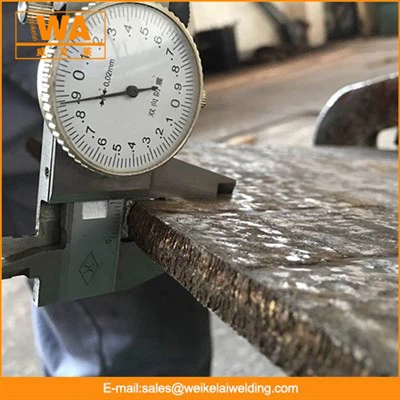
Hey there! As a supplier of Bent Cladding Pipes, I often get asked about the coefficient of thermal expansion of these pipes. It's a super important topic, especially when you're dealing with applications where temperature changes are a factor. So, let's dive right in and explore what this coefficient is all about.
First off, what exactly is the coefficient of thermal expansion? Well, it's a measure of how much a material expands or contracts when its temperature changes. Every material has its own unique coefficient, and it's usually expressed as a fractional change in length or volume per degree change in temperature. For example, if a pipe has a high coefficient of thermal expansion, it'll expand a lot when heated and contract significantly when cooled.
Now, let's talk about Bent Cladding Pipes specifically. These pipes are designed with a cladding layer on the outside, which provides extra protection against wear and corrosion. The cladding material can vary, but it's often a hard, durable alloy. This cladding layer can have a big impact on the pipe's coefficient of thermal expansion.
The base material of the pipe, usually steel, has its own coefficient of thermal expansion. But when you add the cladding layer, things get a bit more complicated. The cladding and the base material might have different coefficients, which can lead to some interesting effects. For instance, if the cladding expands more than the base material when heated, it could put stress on the bond between the two layers. Over time, this stress could cause the cladding to delaminate or crack.
To figure out the coefficient of thermal expansion of a Bent Cladding Pipe, you need to consider a few factors. First, the composition of the base material and the cladding. Different alloys have different thermal properties, so the specific metals used will play a big role. Second, the thickness of the cladding layer matters. A thicker cladding will have a greater influence on the overall thermal expansion behavior of the pipe.
In most cases, the coefficient of thermal expansion of a Bent Cladding Pipe is determined through testing. Specialized equipment can measure how the pipe changes in length or volume as the temperature is varied. These tests are usually done in a controlled environment to ensure accurate results.
Let's think about some real - world applications. In industries like mining, where Bent Cladding Pipes are used to transport abrasive materials, temperature changes can be significant. The pipes might be exposed to hot environments during the extraction process or cold temperatures during storage. Understanding the coefficient of thermal expansion helps engineers design systems that can handle these temperature variations without causing damage to the pipes.
If you're in an application where the temperature fluctuates a lot, you might want to choose a Bent Cladding Pipe with a lower coefficient of thermal expansion. This can help reduce the stress on the pipe and the cladding layer, increasing the lifespan of the pipe.
Now, I know some of you might be wondering about the different types of Bent Cladding Pipes we offer. We also have Wear Resistant Pipe and Wear Resistant Straight Pipe. These pipes are designed to handle high - wear situations, and the coefficient of thermal expansion is also an important consideration for them. Our Hardfacing Abrasion Pipe is another option, which is great for applications where abrasion is a major concern.


When you're choosing a Bent Cladding Pipe for your project, it's crucial to have a good understanding of the coefficient of thermal expansion. You want to make sure the pipe can handle the temperature changes it'll face in your specific application. This can prevent costly repairs and downtime in the long run.
If you're interested in learning more about our Bent Cladding Pipes or have any questions about the coefficient of thermal expansion, don't hesitate to reach out. We're here to help you find the right solution for your needs. Whether you're in the mining, construction, or any other industry that requires high - performance pipes, we've got you covered.
Contact us today to start a conversation about your pipe requirements. We can provide you with detailed information, specifications, and even samples if needed. Let's work together to ensure your project runs smoothly and efficiently.
References
- "Materials Science and Engineering: An Introduction" by William D. Callister Jr. and David G. Rethwisch
- Industry standards and guidelines for pipe manufacturing and testing.