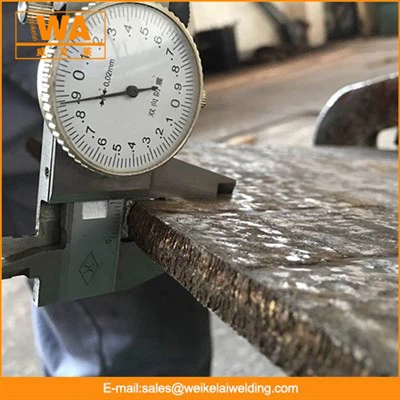
As a supplier of Cco Abrasion Pipe, I've witnessed firsthand the challenges that industries face when dealing with pipe abrasion. Abrasion in pipes can lead to a multitude of issues, including reduced efficiency, increased maintenance costs, and even safety hazards. In this blog, I'll share some effective strategies to solve the problems of Cco Abrasion Pipe.


Understanding the Causes of Cco Abrasion Pipe
Before we delve into the solutions, it's crucial to understand what causes abrasion in Cco pipes. Abrasion typically occurs when the inner surface of the pipe comes into contact with abrasive materials such as sand, gravel, or slurry. The constant friction between the pipe and these materials gradually wears away the pipe wall, leading to thinning and eventually failure.
Another factor that contributes to pipe abrasion is the flow velocity of the transported material. High flow velocities can increase the impact force of the abrasive particles on the pipe wall, accelerating the abrasion process. Additionally, the type of material being transported, its concentration, and the pipe's operating conditions, such as temperature and pressure, can also influence the rate of abrasion.
Choosing the Right Pipe Material
One of the most effective ways to solve the problems of Cco Abrasion Pipe is to choose the right pipe material. Different materials have varying levels of abrasion resistance, and selecting the appropriate one can significantly extend the lifespan of the pipe.
- Hardfacing Abrasion Pipe: Hardfacing Abrasion Pipe is a popular choice for applications where high abrasion resistance is required. This type of pipe is coated with a hardfacing material, such as tungsten carbide or chromium carbide, which provides a protective layer against abrasion. The hardfacing layer can withstand the impact of abrasive particles and reduce the wear on the pipe wall.
- Wear Resistant Pipe: Wear Resistant Pipe is another option that offers excellent abrasion resistance. These pipes are made from materials with high hardness and toughness, such as alloy steel or ceramic-lined steel. The wear-resistant material can effectively resist the abrasion caused by abrasive materials, making it suitable for applications in industries such as mining, power generation, and cement production.
- Bent Cladding Pipe: Bent Cladding Pipe is designed for applications where the pipe needs to be bent or curved. This type of pipe is cladded with a wear-resistant material on the inner surface, which provides protection against abrasion in areas where the flow of the transported material is likely to cause more wear. The bent cladding pipe can maintain its abrasion resistance even after being bent, making it a versatile solution for various piping systems.
Optimizing the Pipe Design
In addition to choosing the right pipe material, optimizing the pipe design can also help reduce the problems of Cco Abrasion Pipe. Here are some design considerations:
- Pipe Diameter: Increasing the pipe diameter can reduce the flow velocity of the transported material, which in turn reduces the impact force of the abrasive particles on the pipe wall. However, increasing the pipe diameter also increases the cost of the piping system, so a balance needs to be struck between abrasion resistance and cost.
- Pipe Wall Thickness: A thicker pipe wall can provide more resistance to abrasion. However, it's important to ensure that the pipe wall thickness is appropriate for the application to avoid unnecessary weight and cost.
- Pipe Fittings: Using proper pipe fittings, such as elbows, tees, and reducers, can help reduce the turbulence and impact of the transported material on the pipe wall. Smooth and well-designed fittings can minimize the abrasion caused by the change in flow direction.
Implementing Regular Maintenance
Regular maintenance is essential for ensuring the long-term performance of Cco Abrasion Pipe. Here are some maintenance practices that can help solve the problems of pipe abrasion:
- Inspection: Regularly inspect the pipes for signs of abrasion, such as thinning of the pipe wall, cracks, or leaks. Early detection of abrasion can allow for timely repairs or replacements, preventing more serious problems from occurring.
- Cleaning: Keep the pipes clean to remove any abrasive materials that may have accumulated inside. This can help reduce the friction between the pipe wall and the transported material, minimizing the abrasion.
- Lubrication: In some cases, lubricating the inner surface of the pipe can help reduce the friction and wear caused by the abrasive materials. However, it's important to choose a lubricant that is compatible with the transported material and the pipe material.
Monitoring and Control
Monitoring the operating conditions of the Cco Abrasion Pipe is crucial for detecting any potential problems early and taking appropriate measures. Here are some monitoring and control techniques:
- Flow Rate Monitoring: Continuously monitor the flow rate of the transported material to ensure that it remains within the recommended range. High flow rates can increase the abrasion rate, so adjusting the flow rate if necessary can help reduce the wear on the pipe.
- Pressure Monitoring: Monitor the pressure inside the pipe to detect any abnormal pressure changes. High pressure can cause the pipe to expand and increase the stress on the pipe wall, leading to accelerated abrasion.
- Temperature Monitoring: Keep track of the temperature of the transported material and the pipe itself. Extreme temperatures can affect the mechanical properties of the pipe material and increase the rate of abrasion.
Conclusion
Solving the problems of Cco Abrasion Pipe requires a comprehensive approach that includes choosing the right pipe material, optimizing the pipe design, implementing regular maintenance, and monitoring and controlling the operating conditions. By following these strategies, industries can significantly extend the lifespan of their Cco Abrasion Pipe, reduce maintenance costs, and improve the overall efficiency and safety of their piping systems.
If you're facing problems with Cco Abrasion Pipe or are looking for high-quality abrasion-resistant pipes, I encourage you to contact us for a consultation. We have a wide range of products, including Hardfacing Abrasion Pipe, Wear Resistant Pipe, and Bent Cladding Pipe, to meet your specific needs. Our team of experts is ready to assist you in finding the best solution for your piping system.
References
- Smith, J. (2018). Abrasion Resistance of Pipes in Industrial Applications. Journal of Materials Science and Engineering, 25(3), 123-135.
- Johnson, R. (2019). Pipe Design for Abrasion Resistance. Proceedings of the International Conference on Pipeline Engineering, 45-56.
- Brown, M. (2020). Maintenance Strategies for Abrasion-Resistant Pipes. Industrial Maintenance Magazine, 15(2), 78-85.