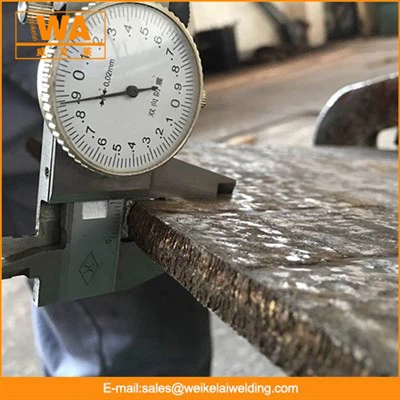
As a wear plate supplier, I understand the importance of proper storage to maintain the quality of our products. Wear plates are essential components in various industries, offering high resistance to abrasion, impact, and corrosion. However, one of the most common challenges faced in their storage is preventing rusting. Rust not only compromises the appearance of the wear plates but also significantly reduces their performance and lifespan. In this blog, I will share some effective strategies on how to store wear plates to prevent rusting.
Understanding the Causes of Rusting
Before delving into storage solutions, it's crucial to understand what causes rusting. Rust is essentially the result of a chemical reaction between iron, oxygen, and water. When wear plates are exposed to moisture and oxygen in the air, the iron in the plates reacts to form iron oxide, which we commonly refer to as rust. Factors such as high humidity, direct contact with water, and the presence of contaminants can accelerate this process.
Choosing the Right Storage Location
The first step in preventing rust is to select an appropriate storage location. The ideal storage area should be dry, well - ventilated, and protected from the elements.
Indoor Storage
Indoor storage is often the best option for wear plates. A warehouse or a storage shed can provide a controlled environment that shields the plates from rain, snow, and direct sunlight. Make sure the indoor space has a stable temperature and low humidity. A relative humidity level below 50% is generally recommended to minimize the risk of rusting. You can use dehumidifiers in the storage area to maintain the desired humidity level, especially in areas with high humidity or during the rainy seasons.
Avoiding Ground Contact
When storing wear plates indoors, avoid placing them directly on the ground. The ground can be a source of moisture, and direct contact can lead to rust formation on the bottom surface of the plates. Instead, use pallets or racks to elevate the plates. Pallets made of wood or plastic are suitable options, as they provide a stable base and allow air circulation around the plates.
Surface Protection
Applying a protective coating to the wear plates is an effective way to prevent rusting. There are several types of coatings available, each with its own advantages.
Oil - Based Coatings
Oil - based coatings create a thin layer of oil on the surface of the wear plates, which acts as a barrier between the metal and the surrounding environment. This layer prevents oxygen and moisture from coming into contact with the metal, thus reducing the risk of rusting. Mineral oil or corrosion - inhibiting oils are commonly used for this purpose. Before applying the oil, make sure the surface of the wear plates is clean and dry. You can use a clean cloth to apply a thin, even layer of oil to the entire surface of the plates.
Paint Coatings
Paint coatings can also provide excellent protection against rust. There are special anti - rust paints available in the market that are designed for metal surfaces. These paints contain corrosion - inhibiting pigments that help to prevent the oxidation of the iron in the wear plates. When applying paint, follow the manufacturer's instructions carefully. Ensure that the surface is properly prepared by cleaning and sanding it before painting. Apply multiple thin coats of paint for better protection.


Packaging
Proper packaging can further enhance the protection of wear plates during storage.
Plastic Wrapping
Wrapping the wear plates in plastic can help to isolate them from the surrounding environment. Plastic sheets or shrink - wrap can be used to cover the plates completely. Make sure the plastic is sealed tightly to prevent moisture from entering. However, be aware that if there is any moisture trapped inside the plastic, it can still cause rusting. Therefore, it's important to ensure that the plates are dry before wrapping them.
VCI Packaging
Vapor Corrosion Inhibitors (VCI) are another effective packaging option. VCI papers or films release corrosion - inhibiting vapors that form a protective layer on the surface of the wear plates. These vapors can reach all areas of the metal surface, including hard - to - reach corners and crevices. VCI packaging is especially useful for long - term storage and can provide reliable protection against rust.
Regular Inspection and Maintenance
Even with the best storage practices, it's important to regularly inspect the wear plates for any signs of rust. Conduct visual inspections at least once a month. If you notice any early signs of rust, such as small spots or discoloration, take immediate action.
Rust Removal
If rust is detected, you can remove it using a wire brush or sandpaper. Gently scrub the rusted area to remove the iron oxide. After removing the rust, clean the area with a degreaser to remove any contaminants. Then, re - apply the protective coating to prevent further rusting.
Specific Considerations for Different Types of Wear Plates
Different types of wear plates may require specific storage considerations.
Wear Resistant Metals
Wear Resistant Metals often have unique properties that affect their susceptibility to rusting. Some wear - resistant metals, such as stainless steel, are more resistant to rust than others. However, even stainless steel can rust under certain conditions, such as in the presence of chlorides or in a highly acidic environment. When storing wear - resistant metals, it's important to understand their specific corrosion resistance properties and take appropriate storage measures accordingly.
Composite Wear Plates
Composite Wear Plates are made up of multiple layers or materials, and their storage requirements may be different from single - material wear plates. The composite materials may have different rates of expansion and contraction due to temperature changes, which can potentially cause damage or create conditions for rusting. Store composite wear plates in a temperature - controlled environment to minimize these risks.
Wear Resistant Plate
Wear Resistant Plate is a broad category that includes various types of plates with different compositions and surface treatments. For general wear - resistant plates, follow the basic storage principles mentioned above, but also pay attention to any specific instructions provided by the manufacturer.
Conclusion
Proper storage of wear plates is crucial to prevent rusting and maintain their quality and performance. By choosing the right storage location, applying protective coatings, using appropriate packaging, and conducting regular inspections, you can significantly reduce the risk of rusting. As a wear plate supplier, I am committed to providing high - quality products and ensuring that our customers receive them in the best possible condition. If you are in need of wear plates or have any questions about their storage and maintenance, please feel free to contact us for more information and to discuss your procurement needs.
References
- "Corrosion Prevention and Control in Industrial Environments" by NACE International
- "Handbook of Metal Corrosion" edited by Bruce D. Craig