Wear resistance is a crucial property for many industrial applications, especially in environments where materials are subject to friction, abrasion, and impact. At low temperatures, the wear resistance of materials can be significantly affected due to changes in their mechanical and physical properties. As a leading supplier of wear-resistant alloys, we understand the importance of this characteristic and have extensive experience in providing high-quality materials that perform well under low-temperature conditions.
Understanding Wear Resistance at Low Temperatures
To understand the wear resistance of wear-resistant alloys at low temperatures, it's essential to first grasp the basic principles of wear and how low temperatures can influence it. Wear is generally classified into three main types: adhesive wear, abrasive wear, and fatigue wear.
Adhesive wear occurs when two surfaces come into contact and material is transferred from one surface to the other due to the formation of bonds between the contacting asperities. Abrasive wear, on the other hand, happens when a hard surface or hard particles plow or cut through a softer surface. Fatigue wear is caused by cyclic loading, which leads to the initiation and propagation of cracks on the surface of the material.
Low temperatures can have several effects on these wear mechanisms. Firstly, the hardness of many materials increases at low temperatures, which can potentially enhance their resistance to abrasive wear. However, this increased hardness can also make the material more brittle, increasing the risk of cracking and spalling, especially under impact or cyclic loading conditions. Additionally, low temperatures can affect the lubrication properties of any fluids present in the system, leading to increased friction and potentially more severe wear.

Factors Affecting the Wear Resistance of Alloys at Low Temperatures
Chemical Composition
The chemical composition of a wear-resistant alloy plays a vital role in determining its wear resistance at low temperatures. Alloys typically contain elements such as chromium, nickel, molybdenum, and tungsten, which can form hard carbides, nitrides, or intermetallic compounds. These hard phases can significantly improve the hardness and wear resistance of the alloy.
For example, chromium is known for its ability to form chromium carbides, which are very hard and can provide excellent abrasive wear resistance. Nickel, on the other hand, can improve the toughness and ductility of the alloy, reducing the risk of cracking at low temperatures. Tungsten can form tungsten carbides, which are extremely hard and are often used in Tungsten Carbide Plate applications where high wear resistance is required.
Microstructure
The microstructure of the alloy also has a significant impact on its wear resistance at low temperatures. Fine-grained microstructures generally offer better wear resistance compared to coarse-grained ones because they provide more grain boundaries, which can impede the movement of dislocations and prevent crack propagation.
Heat treatment processes can be used to control the microstructure of the alloy. For instance, quenching and tempering can produce a martensitic or bainitic microstructure, which can enhance the hardness and wear resistance of the alloy. However, the choice of heat treatment must be carefully considered to balance the hardness and toughness of the alloy, especially at low temperatures.
Surface Finish
The surface finish of the wear-resistant alloy can affect its wear behavior at low temperatures. A smooth surface finish can reduce friction and the likelihood of adhesive wear. Additionally, surface treatments such as Chromium Carbide Coating can be applied to further improve the wear resistance of the alloy. These coatings can provide a hard, wear-resistant layer on the surface of the alloy, protecting it from abrasion and other forms of wear.
Performance of Common Wear-Resistant Alloys at Low Temperatures
Stainless Steels
Stainless steels are widely used in various industries due to their good corrosion resistance and mechanical properties. At low temperatures, some stainless steels, such as austenitic stainless steels, can maintain their toughness and ductility, making them suitable for applications where impact resistance is required. However, their wear resistance may be relatively low compared to other wear-resistant alloys.
High-Manganese Steels
High-manganese steels, also known as Hadfield steels, are known for their excellent work-hardening ability. When subjected to impact or abrasion, the surface of the high-manganese steel hardens, providing good wear resistance. At low temperatures, high-manganese steels can still exhibit relatively good toughness, but their work-hardening rate may be affected.
CCO Wear Plate
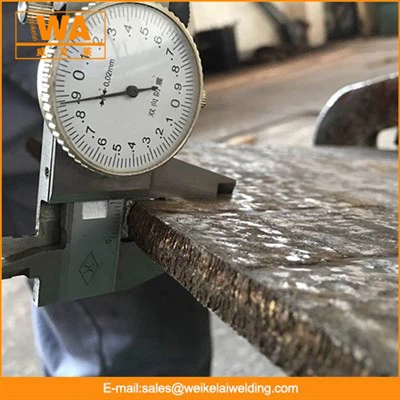
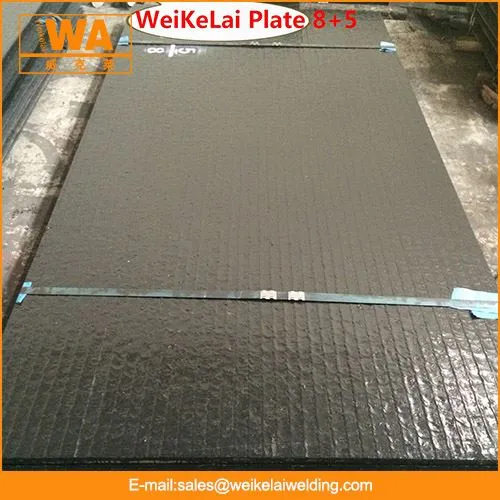
CCO wear plates are specifically designed to provide high wear resistance in various applications. These plates typically contain a high concentration of carbides, which can offer excellent abrasive wear resistance. At low temperatures, CCO wear plates can maintain their hardness and wear resistance, making them suitable for use in cold environments.
Testing and Evaluation of Wear Resistance at Low Temperatures
To accurately assess the wear resistance of wear-resistant alloys at low temperatures, various testing methods can be employed. One common method is the pin-on-disk test, where a pin made of the test material is rubbed against a rotating disk under a specific load. The wear rate of the pin can be measured to evaluate the wear resistance of the material.
Another method is the abrasive wear test, where the test material is subjected to abrasion by a hard abrasive material. The weight loss or volume loss of the test material can be measured to determine its abrasive wear resistance.
In addition to these laboratory tests, field testing can also be conducted to evaluate the performance of wear-resistant alloys in real-world applications. Field testing can provide valuable information about the long-term wear behavior of the alloys under actual operating conditions.
Applications of Wear-Resistant Alloys at Low Temperatures
Wear-resistant alloys are used in a wide range of applications at low temperatures. In the mining industry, wear-resistant alloys are used in equipment such as crushers, conveyors, and buckets, which are exposed to abrasive materials at low temperatures. In the oil and gas industry, wear-resistant alloys are used in pipelines, valves, and pumps, where they need to withstand the flow of abrasive fluids at low temperatures.
In the aerospace and automotive industries, wear-resistant alloys are used in components such as gears, bearings, and engine parts, which need to operate at low temperatures with high wear resistance.
Conclusion
The wear resistance of wear-resistant alloys at low temperatures is a complex issue that is influenced by various factors such as chemical composition, microstructure, and surface finish. As a supplier of wear-resistant alloys, we are committed to providing our customers with high-quality materials that can meet their specific requirements in low-temperature applications.
We have a wide range of wear-resistant alloys, including CCO Wear Plate, Tungsten Carbide Plate, and Chromium Carbide Coating, which can offer excellent wear resistance at low temperatures. Our team of experts can also provide technical support and advice to help you select the most suitable alloy for your application.
If you are interested in purchasing wear-resistant alloys for your low-temperature applications, please feel free to contact us for further discussion and negotiation. We look forward to working with you to provide the best solutions for your wear resistance needs.
References
- ASM Handbook, Volume 3: Alloy Phase Diagrams. ASM International.
- Callister, W. D., & Rethwisch, D. G. (2010). Materials Science and Engineering: An Introduction. Wiley.
- Wear Control Handbook. ASM International.