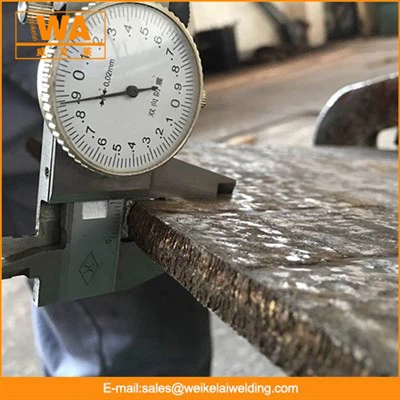
Hey there! As a supplier of Bimetal Wear Plate, I've seen firsthand how this amazing material performs in construction machinery. In this blog, I'm gonna share with you all the ins and outs of how bimetal wear plate holds up in the tough world of construction.
First off, let's talk about what bimetal wear plate is. It's basically a combination of two different metals, usually a base metal and a hardfacing alloy. This combination gives it some pretty unique properties that make it a top choice for construction machinery.
One of the biggest advantages of bimetal wear plate is its wear resistance. Construction machinery is constantly exposed to all sorts of abrasive materials like rocks, sand, and gravel. These materials can cause a lot of wear and tear on regular steel parts, leading to frequent replacements and downtime. But bimetal wear plate is specifically designed to withstand this kind of abuse. The hardfacing alloy on the surface of the plate provides a tough, wear-resistant layer that can significantly extend the lifespan of the machinery components.
For example, in excavators, the buckets are constantly digging into the ground, scraping against rocks and other hard materials. Using bimetal wear plate for the bucket edges can reduce the wear rate by a huge margin. This means less frequent bucket replacements, which saves both time and money. And let's not forget about the impact on productivity. With less downtime for maintenance and replacements, the excavator can keep working efficiently, getting more jobs done in less time.
Another area where bimetal wear plate shines is in crushers. Crushers are used to break down large rocks and other materials into smaller pieces. The crushing chambers and liners are subjected to intense impact and abrasion. Bimetal wear plate can handle these harsh conditions with ease. The combination of the tough base metal and the wear-resistant hardfacing allows the crushers to operate smoothly for longer periods without needing major repairs.
In addition to wear resistance, bimetal wear plate also offers good impact resistance. Construction machinery often experiences sudden impacts, whether it's from dropping heavy loads or colliding with other objects. The bimetal structure helps to absorb and distribute the impact energy, preventing the plate from cracking or breaking. This is crucial for maintaining the integrity of the machinery and ensuring safe operation.
Now, let's take a look at some of the different types of bimetal wear plate available. One popular option is the Chromium Carbide Overlay. This type of plate has a layer of chromium carbide on the surface, which provides excellent wear resistance. Chromium carbide is a very hard material that can withstand high levels of abrasion. It's commonly used in applications where the machinery is exposed to extreme wear, such as in mining and quarrying.
Another type is the Wear Resistant Steel. This is a more general term for steel that has been treated or alloyed to improve its wear resistance. Wear resistant steel can be used in a variety of construction machinery components, from bulldozer blades to conveyor belts. It offers a good balance between wear resistance and cost, making it a popular choice for many construction companies.


And of course, there's the Wear Steel Plate. This is a broad category that includes various types of steel plates designed for wear applications. Wear steel plates can be customized to meet the specific requirements of different construction machinery, depending on the type of wear and the operating conditions.
When it comes to installing bimetal wear plate in construction machinery, it's important to follow the proper procedures. The plate needs to be securely attached to the machinery component to ensure maximum performance. This usually involves welding or bolting the plate in place. It's also important to make sure that the surface of the component is clean and prepared before installation to ensure good adhesion.
In terms of maintenance, bimetal wear plate is relatively easy to take care of. Regular inspections are recommended to check for any signs of wear or damage. If any issues are detected, the worn or damaged parts can be replaced relatively quickly and easily. This helps to keep the machinery in good working condition and minimize downtime.
So, if you're in the construction industry and looking for a way to improve the performance and longevity of your machinery, bimetal wear plate is definitely worth considering. It offers a cost-effective solution to the problem of wear and tear, and can help you get more out of your equipment.
If you're interested in learning more about our bimetal wear plate products or have any questions about how they can be used in your construction machinery, don't hesitate to get in touch. We're here to help you find the right solution for your needs and ensure that your machinery runs smoothly and efficiently.
References
- Industry reports on wear-resistant materials in construction machinery
- Technical data sheets from bimetal wear plate manufacturers