Storing Inetub Welding Wire in a humid environment can be a challenging task, but with the right strategies, it's entirely manageable. As a supplier of Inetub Welding Wire, I've encountered numerous situations where improper storage led to sub - optimal wire quality. In this blog, I'll share some scientific and practical ways to store this valuable welding wire effectively in humid conditions.
Understanding the Impact of Humidity on Welding Wire
Humidity can have several detrimental effects on Inetub Welding Wire. When the wire is exposed to moisture, it can start to rust. Rust on the wire not only affects its appearance but also its performance during the welding process. Rust can cause inconsistent arc stability, leading to poor weld quality. Additionally, moisture can react with the flux in the wire (in the case of Flux Cored Arc Welding) and change its chemical composition, which can result in porosity and other welding defects.
The high humidity levels can also promote the growth of mold and bacteria on the wire surface. Although this might not directly affect the welding performance in all cases, it can be a sign of a more serious moisture problem that could eventually lead to wire degradation.
Ideal Storage Conditions
Before delving into specific strategies for humid environments, it's important to understand the ideal storage conditions for Inetub Welding Wire. The wire should be stored in a dry place with a relative humidity of less than 60%. The temperature should be kept between 50°F (10°C) and 80°F (27°C). These conditions help to maintain the integrity of the wire and prevent any premature degradation.
Strategies for Storing in a Humid Environment
Use of Desiccants
Desiccants are substances that can absorb moisture from the air. They are an effective way to reduce the humidity around the Inetub Welding Wire. Silica gel is a commonly used desiccant. You can place silica gel packets inside the storage containers or cabinets where the wire is kept. The silica gel will absorb the excess moisture, creating a drier environment for the wire.
Another option is to use calcium chloride desiccants. These are more powerful than silica gel and can absorb a larger amount of moisture. However, they need to be handled with care as they can be corrosive. When using desiccants, it's important to monitor them regularly and replace them once they are saturated.
Sealed Containers
Storing the Inetub Welding Wire in sealed containers is an excellent way to protect it from humidity. You can use plastic containers with tight - fitting lids or metal storage cabinets with rubber gaskets to create an air - tight seal. Before placing the wire in the container, make sure it is clean and dry.
If possible, you can also add a layer of moisture - absorbing material, such as a dry cloth or paper, at the bottom of the container. This extra layer can help to further reduce the moisture inside the container.
Climate - Controlled Storage
Investing in a climate - controlled storage area is the most reliable way to store Inetub Welding Wire in a humid environment. A climate - controlled room or storage unit can maintain a constant temperature and humidity level. You can use a dehumidifier to keep the relative humidity below 60%.
Some advanced dehumidifiers can be programmed to turn on and off automatically based on the humidity levels. Additionally, you can use a heater to maintain the temperature within the ideal range. Although climate - controlled storage requires an initial investment, it can save you a lot of money in the long run by preventing wire damage.
Elevated Storage
Placing the Inetub Welding Wire on elevated shelves or racks can help to protect it from moisture on the floor. Floors in humid environments can often be damp, and direct contact with the floor can transfer moisture to the wire. By keeping the wire off the floor, you can reduce the risk of moisture absorption.
Make sure the shelves or racks are made of a non - corrosive material, such as stainless steel or plastic. Also, ensure that the shelves are sturdy enough to support the weight of the wire spools.
Importance of Regular Inspection
Regardless of the storage method you choose, regular inspection of the Inetub Welding Wire is crucial. Check the wire for any signs of rust, mold, or other damage. If you notice any issues, take immediate action to address them.
For example, if you find a small amount of rust on the wire, you can use a wire brush to remove it gently. However, if the rust is extensive, it might be necessary to discard the affected wire to avoid welding problems.

Product - Specific Considerations
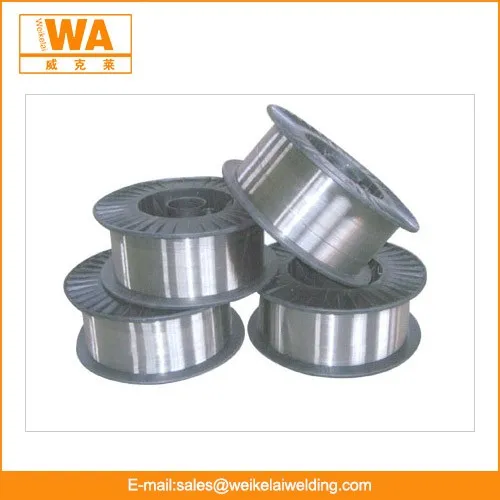
Inetub offers different types of welding wires, such as Dual Shield Welding Wire and Resistant Flux Core Wire. Each type may have slightly different storage requirements.
Dual Shield Welding Wire, for instance, has a flux core that is more sensitive to moisture compared to some other types of wire. It's important to pay extra attention to the storage conditions of this wire to ensure its performance. Resistant Flux Core Wire, on the other hand, is designed to be more resistant to certain environmental factors, but it still needs proper storage to maintain its quality.
Conclusion
Storing Inetub Welding Wire in a humid environment requires a combination of proper storage techniques and regular monitoring. By using desiccants, sealed containers, climate - controlled storage, and elevated storage, you can protect the wire from the harmful effects of humidity.
If you are looking to purchase high - quality Inetub Welding Wire or need more information on storage and usage, feel free to reach out to us for a procurement discussion. We are here to provide you with the best solutions for your welding needs.
References
- AWS A5.01M/A5.01:2018, Filler Metal Procurement Guidelines.
- Manufacturer's guidelines for Inetub Welding Wire storage.