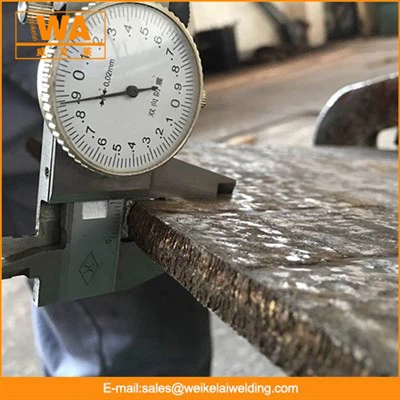
Mig welding, also known as Gas Metal Arc Welding (GMAW), is a popular welding process widely used in various industries due to its efficiency and versatility. As a Mig Welding Wire supplier, I understand the importance of weld strength in ensuring the quality and durability of welded structures. In this blog post, I will share some practical tips on how to improve the weld strength when using Mig Welding Wire.
Select the Right Mig Welding Wire
The first step in achieving strong welds is to choose the appropriate Mig Welding Wire for the specific application. Different types of wires are designed for different materials and welding conditions. For example, mild steel wires are commonly used for general-purpose welding on mild steel materials, while stainless steel wires are suitable for welding stainless steel components.
When selecting a wire, consider the following factors:
- Material Compatibility: Ensure that the wire is compatible with the base metal being welded. Using an incompatible wire can result in poor weld quality and reduced strength.
- Wire Diameter: The wire diameter affects the welding current and deposition rate. Thicker wires can handle higher currents and deposit more metal, but they may require more skill to control. Choose a wire diameter that is appropriate for the thickness of the base metal and the welding process.
- Coating and Flux: Some Mig Welding Wires are coated or contain flux to improve the welding performance. These coatings can help protect the weld from oxidation and improve the arc stability. Consider the specific requirements of your application when choosing a wire with a coating or flux.
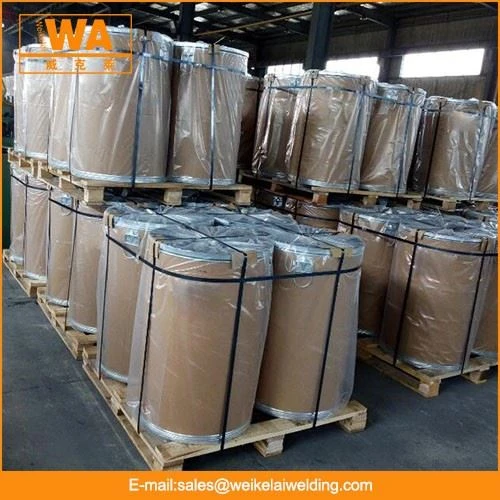
At our company, we offer a wide range of Mig Welding Wires, including Open Arc Welding Wire, Hardfacing Flux Cored Wire, and Dual Shield Welding Wire. Our wires are made from high-quality materials and are designed to provide excellent weld strength and performance.
Prepare the Base Metal
Proper preparation of the base metal is crucial for achieving strong welds. Before welding, clean the surface of the base metal to remove any dirt, rust, oil, or paint. These contaminants can prevent the wire from bonding properly with the base metal and can lead to poor weld quality.
Use a wire brush, grinder, or chemical cleaner to clean the surface of the base metal. Make sure to remove all the contaminants and expose a clean, shiny surface. Additionally, bevel the edges of the base metal if necessary to ensure proper penetration and fusion of the weld.
Set the Correct Welding Parameters
Setting the correct welding parameters is essential for achieving strong welds. The welding parameters include the welding current, voltage, wire feed speed, and gas flow rate. These parameters depend on the type of wire, the thickness of the base metal, and the welding position.
- Welding Current: The welding current determines the heat input and the penetration of the weld. Higher currents result in deeper penetration but can also cause the weld to become too hot and may lead to distortion or burn-through. Lower currents may not provide enough heat to melt the wire and the base metal properly.
- Voltage: The voltage affects the arc length and the stability of the arc. A higher voltage results in a longer arc, which can improve the bead appearance but may also reduce the penetration. A lower voltage results in a shorter arc, which can increase the penetration but may also cause the arc to be unstable.
- Wire Feed Speed: The wire feed speed determines the amount of wire being fed into the weld. A higher wire feed speed results in more metal being deposited, which can increase the weld strength. However, if the wire feed speed is too high, the wire may not melt properly and may cause the weld to be porous.
- Gas Flow Rate: The gas flow rate is important for protecting the weld from oxidation and for maintaining a stable arc. The gas flow rate depends on the type of gas being used and the welding process.
It is important to follow the manufacturer's recommendations for setting the welding parameters. You may also need to make some adjustments based on your specific welding conditions and experience.
Use the Correct Welding Technique
Using the correct welding technique is also important for achieving strong welds. Here are some tips on using the correct welding technique:
- Travel Speed: Maintain a consistent travel speed when welding. A too-slow travel speed can result in excessive heat input and may cause the weld to become too wide and may lead to distortion. A too-fast travel speed can result in insufficient heat input and may cause the weld to be weak and porous.
- Angle of the Gun: Hold the welding gun at the correct angle. The angle of the gun affects the penetration and the bead appearance. For most applications, a 10-15 degree angle is recommended.
- Weaving Technique: Use a weaving technique when welding to ensure proper fusion and to distribute the heat evenly. A weaving technique involves moving the welding gun from side to side in a controlled manner.
- Overlap: Overlap the weld beads slightly to ensure proper fusion and to prevent gaps between the beads.
Post-Weld Heat Treatment
Post-weld heat treatment can be used to improve the weld strength and to relieve the residual stresses in the weld. The post-weld heat treatment involves heating the weld to a specific temperature and then cooling it slowly. This process can help to improve the microstructure of the weld and to reduce the hardness and brittleness.
The specific post-weld heat treatment process depends on the type of material being welded and the application. It is important to consult with a metallurgist or a welding engineer to determine the appropriate post-weld heat treatment process for your specific application.
Quality Control
Quality control is an important part of ensuring the weld strength. Inspect the welds visually and using non-destructive testing methods such as ultrasonic testing, magnetic particle testing, or radiographic testing. These tests can help to detect any internal defects in the weld such as cracks, porosity, or lack of fusion.
If any defects are found, it is important to correct them immediately. This may involve re-welding the defective area or using a different welding technique or parameters.
Conclusion
Improving the weld strength when using Mig Welding Wire requires careful consideration of several factors, including the selection of the right wire, the preparation of the base metal, the setting of the correct welding parameters, the use of the correct welding technique, post-weld heat treatment, and quality control. By following these tips, you can achieve strong, high-quality welds that meet the requirements of your specific application.
As a Mig Welding Wire supplier, we are committed to providing our customers with high-quality products and excellent customer service. If you have any questions or need further assistance in improving the weld strength when using Mig Welding Wire, please feel free to contact us. We look forward to discussing your specific needs and helping you find the right solution for your welding application.

References
- AWS Welding Handbook, Volume 1: Welding Science and Technology
- ASME Boiler and Pressure Vessel Code
- Welding Metallurgy and Weldability of Stainless Steels by John C. Lippold and David J. Kotecki