As a supplier of Bent Cladding Pipes, I've seen firsthand how important corrosion prevention is. Corrosion can significantly reduce the lifespan of these pipes, leading to increased maintenance costs and potential safety hazards. In this blog, I'll share some practical ways to improve the corrosion - prevention coating on bent cladding pipes.
Understanding the Problem
First off, we need to understand why corrosion happens in the first place. Bent cladding pipes are often used in harsh environments where they're exposed to moisture, chemicals, and abrasive materials. These factors can break down the protective coating over time, leaving the pipe vulnerable to rust and corrosion.
When a pipe bends, the coating can experience additional stress. The outer surface of the bend is stretched, while the inner surface is compressed. This can cause the coating to crack or peel, creating weak spots where corrosion can start.
Choosing the Right Coating Material
The choice of coating material is crucial. There are several types of coatings available, each with its own pros and cons.
Epoxy Coatings
Epoxy coatings are popular because they offer good adhesion and chemical resistance. They form a hard, protective layer on the pipe surface. However, they can be brittle, especially in cold temperatures. If you're using bent cladding pipes in a cold environment, you might want to consider a more flexible epoxy formulation.
Polyurethane Coatings
Polyurethane coatings are known for their flexibility and abrasion resistance. They can withstand the stresses of bending better than some other coatings. They're also resistant to UV radiation, which is great if the pipes are going to be exposed to sunlight. But they can be more expensive than epoxy coatings.
Ceramic Coatings
Ceramic coatings provide excellent corrosion and wear resistance. They're very hard and can protect the pipe from both chemical and physical damage. However, applying ceramic coatings can be more complex and costly. You'll need to make sure the application process is done correctly to get the best results.
Pre - Treatment of the Pipe Surface
Before applying any coating, the pipe surface needs to be properly prepared. This is a step that's often overlooked, but it's essential for good coating adhesion.
Cleaning
The pipe surface should be free of dirt, grease, and rust. You can use solvents or mechanical methods like sandblasting to clean the surface. Sandblasting not only removes contaminants but also creates a rough surface, which helps the coating adhere better.


Surface Profiling
Profiling the surface means creating a specific texture on the pipe. A proper surface profile can improve the bond between the coating and the pipe. The ideal profile will depend on the type of coating you're using. For example, some coatings require a more aggressive profile than others.
Application Techniques
The way you apply the coating can also affect its performance.
Spray Coating
Spray coating is a common method. It allows for a uniform application of the coating. You can use air - assisted or airless spray systems. Air - assisted spray systems are good for applying thin coatings, while airless systems can handle thicker coatings. Make sure to maintain the correct spraying distance and angle to get an even coat.
Dip Coating
Dip coating involves immersing the pipe in a coating bath. This method is suitable for small - to medium - sized pipes. It ensures complete coverage of the pipe surface. However, it can be difficult to control the coating thickness, and there may be some dripping or pooling of the coating.
Brush Coating
Brush coating is a simple and cost - effective method, but it's more labor - intensive. It's best used for touch - up work or for applying coatings in hard - to - reach areas. Make sure to use a high - quality brush and apply the coating in thin, even layers.
Quality Control
After applying the coating, you need to check its quality.
Visual Inspection
A visual inspection can help you spot obvious defects like cracks, bubbles, or uneven coating thickness. Look for any areas where the coating may have peeled or where there are gaps.
Thickness Measurement
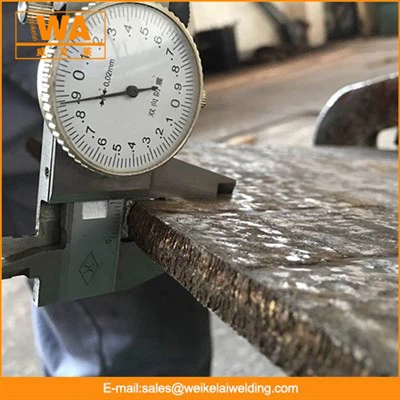
Measuring the coating thickness is important to ensure it meets the specified requirements. You can use a coating thickness gauge to measure the thickness at different points on the pipe. If the thickness is too thin, the pipe may not be adequately protected.
Adhesion Testing
Adhesion testing determines how well the coating is bonded to the pipe surface. There are several methods for adhesion testing, such as the cross - hatch test. In this test, you make a series of cuts in the coating and then apply a piece of tape. If the coating comes off with the tape, it indicates poor adhesion.
Post - Coating Maintenance
Once the coating is applied and inspected, proper maintenance is key to ensuring its long - term performance.
Regular Inspections
Regularly inspect the coated pipes for signs of damage or corrosion. Look for any changes in the coating appearance, such as discoloration or blistering. Early detection of problems can prevent more serious damage.
Touch - Up
If you find any areas where the coating has been damaged, you should perform touch - up work as soon as possible. Use the same type of coating for touch - up to ensure compatibility.
Conclusion
Improving the corrosion - prevention coating on bent cladding pipes involves a combination of choosing the right coating material, proper surface pre - treatment, correct application techniques, quality control, and post - coating maintenance. By following these steps, you can extend the lifespan of your bent cladding pipes and reduce maintenance costs.
If you're in the market for high - quality Bent Cladding Pipes or need advice on corrosion - prevention coatings, feel free to reach out. We're always happy to help you find the best solutions for your needs. You can also check out our Wear Resistant Pipe, Hardfacing Abrasion Elbows, and Hardfacing Abrasion Pipe for more information on our product range.
References
- "Corrosion Prevention in Pipelines" - A technical guide published by the Pipeline Research Council International.
- "Coating Application and Inspection Handbook" - A comprehensive resource on coating application techniques and quality control.
- Industry reports on the latest developments in corrosion - prevention coatings for pipes.