Hey there! As a supplier of wear-resistant pipes, I've seen firsthand how crucial it is to pick the right one for your project. It's not just about buying a pipe; it's about ensuring long - term performance, cost - effectiveness, and safety. In this blog, I'll share some tips on how to choose the right wear - resistant pipe.
1. Know Your Application
The first step in choosing the right wear - resistant pipe is to understand your specific application. Different industries and processes have different requirements. For example, if you're in the mining industry, you'll likely be dealing with abrasive materials like ores and rocks. These materials can cause significant wear on pipes, so you'll need a pipe that can withstand high - impact and high - abrasion conditions.
On the other hand, if you're in the power generation industry, you might be transporting coal ash or other fine particles. In this case, the pipe needs to resist erosion from fine particles. So, take the time to analyze your application. What kind of materials will the pipe be transporting? What are the flow rates and pressures? Understanding these factors will help you narrow down your options.
2. Consider the Material
Wear - resistant pipes come in a variety of materials, each with its own set of properties. Some common materials include:
Steel
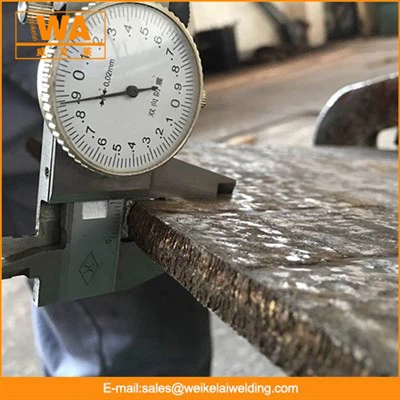
Steel pipes are widely used because they are strong and relatively inexpensive. However, regular steel may not be the best choice for highly abrasive applications. But there are special types of wear - resistant steel, such as Hardfacing Abrasion Pipe [/hardfacing - pipe/hardfacing - abrasion - pipe.html]. This type of pipe has a hardfacing layer on the inner surface, which significantly increases its wear resistance. It can handle high - impact and high - abrasion conditions, making it suitable for industries like mining and construction.
Ceramic
Ceramic pipes are known for their excellent wear resistance. They can withstand extreme abrasion and corrosion. Ceramic materials are very hard and have a low coefficient of friction, which means that materials can flow through the pipe more easily. However, ceramic pipes can be brittle and more expensive than steel pipes. They are often used in applications where the highest level of wear resistance is required, such as in some chemical processing plants.
Composite
Composite pipes combine the best of both worlds. They typically consist of a steel outer layer for strength and a ceramic or polymer inner layer for wear resistance. This combination provides good structural integrity and excellent wear protection. Cco Abrasion Pipe [/hardfacing - pipe/cco - abrasion - pipe.html] is an example of a composite pipe that offers high - performance wear resistance.
3. Evaluate the Pipe's Design
The design of the pipe also plays a crucial role in its wear resistance. Here are some design factors to consider:
Wall Thickness
A thicker wall can provide more wear protection. However, it also increases the weight and cost of the pipe. You need to find a balance between the required wear resistance and the practicality of the pipe. In some cases, a pipe with a variable wall thickness may be a good option. For example, in areas where the wear is expected to be higher, the wall can be thicker.
Bend Radius
If your system has elbows or bends, the bend radius is important. A larger bend radius can reduce the impact of the flowing materials on the pipe wall, which in turn reduces wear. Hardfacing Abrasion Elbows [/hardfacing - pipe/hardfacing - abrasion - elbows.html] are designed to handle the wear at these critical points. They have a hardfacing layer that provides extra protection against abrasion.
Joint Design
The joints between pipes can be a weak point in the system. A good joint design should ensure a tight seal and prevent leakage. It should also be able to withstand the same level of wear as the rest of the pipe. Some joints are designed to be easily replaceable, which can save time and money in the long run.
4. Look at the Manufacturer's Reputation
When choosing a wear - resistant pipe, it's important to consider the manufacturer's reputation. A reliable manufacturer will use high - quality materials and advanced manufacturing processes. They will also have a good quality control system in place to ensure that each pipe meets the required standards.

You can look for reviews and testimonials from other customers. Check if the manufacturer has any certifications or awards related to their products. A manufacturer with a long - standing reputation in the industry is more likely to provide a high - quality product that will perform well over time.
5. Cost - Benefit Analysis
Of course, cost is always a factor when making a purchasing decision. But it's important to look beyond the initial purchase price. Consider the long - term costs, such as maintenance, replacement, and downtime. A more expensive pipe with better wear resistance may actually save you money in the long run because it will last longer and require less maintenance.
For example, a ceramic pipe may have a higher upfront cost than a steel pipe. But if it lasts three times as long and reduces the need for frequent replacements, it can be a more cost - effective option in the long term. So, do a cost - benefit analysis to determine which pipe is the best fit for your budget and requirements.
6. Seek Expert Advice
If you're still unsure about which wear - resistant pipe to choose, don't hesitate to seek expert advice. As a wear - resistant pipe supplier, I'm always happy to help customers find the right solution for their needs. You can also consult with engineers or industry experts who have experience in your specific field. They can provide valuable insights based on their knowledge and practical experience.
In conclusion, choosing the right wear - resistant pipe requires careful consideration of your application, the material, the design, the manufacturer's reputation, and the cost - benefit analysis. By following these tips, you can make an informed decision that will ensure the long - term performance of your piping system.
If you're interested in purchasing wear - resistant pipes or have any questions about our products, feel free to reach out. We're here to assist you in finding the perfect solution for your project.
References
- "Handbook of Abrasion and Erosion" by various authors
- Industry reports on wear - resistant pipes from relevant trade associations