How often should conveyor wear liners be replaced? This is a question that many of our clients, who operate conveyor systems in various industries, often ask. As a leading supplier of conveyor wear liners, I'd like to share some insights on this crucial topic.
Understanding Conveyor Wear Liners
Conveyor wear liners play a vital role in protecting conveyor components from abrasion, impact, and corrosion. They are installed in areas where the conveyor belt, material flow, or other moving parts come into contact with the conveyor structure. Different types of wear liners are available to suit various applications. For example, Metallic Wear Liners are known for their high strength and resistance to heavy - duty abrasion. They are commonly used in industries such as mining, cement, and steel, where the conveyed materials are often large, sharp, and abrasive.
Chute Wear Liners are specifically designed for chutes, which are inclined channels used to direct the flow of materials. These liners prevent the chutes from wearing out quickly due to the continuous impact and sliding of materials. Another type is Chromium Alloy Steel Mill Liners, which are widely used in grinding mills. The chromium alloy provides excellent wear resistance, ensuring a longer service life for the mill liners.
Factors Affecting the Replacement Frequency
Several factors determine how often conveyor wear liners need to be replaced.
1. Material Characteristics
The nature of the material being conveyed is one of the most significant factors. If the material is highly abrasive, such as quartz, granite, or coal, it will cause more wear on the liners. For instance, in a coal - mining operation, the coal contains small rock particles and other abrasive substances. These particles can scratch and erode the wear liners over time. On the other hand, if the material is relatively soft, like grains or wood chips, the wear on the liners will be less severe, and the replacement interval can be longer.
2. Conveyor Speed
The speed at which the conveyor operates also impacts the wear rate. A higher conveyor speed means that the material moves more quickly across the liners, increasing the friction and abrasion. In a high - speed conveyor system, the wear liners may need to be replaced more frequently compared to a slower - moving conveyor. For example, in an automated sorting conveyor in a logistics center, where packages are moved at a rapid pace, the wear liners may wear out faster than in a slow - moving conveyor in a small - scale food processing plant.

3. Operating Environment
The environment in which the conveyor system operates can have a profound effect on the wear liners. If the conveyor is located in a dusty, humid, or corrosive environment, the liners will be subject to additional wear and damage. In a coastal area, where the air contains salt, the wear liners may corrode more quickly. Similarly, in a chemical plant, the presence of chemicals can cause chemical reactions with the liners, leading to accelerated wear.

4. Conveyor Design and Configuration
The design and configuration of the conveyor also matter. Sharp bends, narrow passages, and areas where the material flow is concentrated can cause more wear on the liners. For example, in a conveyor system with multiple chutes and transfer points, the liners at these points are likely to experience higher impact and abrasion, requiring more frequent replacement.
General Guidelines for Replacement
While it's difficult to provide an exact replacement schedule due to the many variables involved, we can offer some general guidelines.
1. Visual Inspection
Regular visual inspections are essential. Operators should check the wear liners at least once a month. Look for signs of excessive wear, such as thinning, cracking, or holes in the liners. If any of these signs are present, it may be time to replace the liners.
2. Measuring Wear
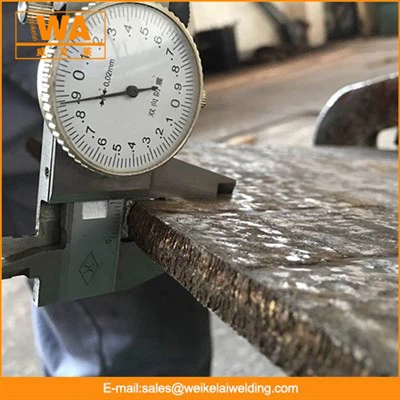
In addition to visual inspection, measuring the thickness of the wear liners can provide a more accurate indication of their condition. Using a thickness gauge, measure the thickness of the liners at several points. If the thickness has decreased to a certain level, typically 50% - 70% of the original thickness, replacement is recommended.
3. Industry - Specific Recommendations
Different industries have different standards for wear liner replacement. In the mining industry, where the conditions are extremely harsh, wear liners may need to be replaced every 3 - 6 months. In the food processing industry, where the materials are less abrasive, the replacement interval can be extended to 12 - 24 months.
Case Studies
Let's take a look at some real - world examples to illustrate the importance of proper wear liner replacement.
Case 1: A Mining Company
A large mining company was using conveyor systems to transport iron ore. They initially did not have a proper maintenance schedule for their wear liners. As a result, the liners wore out quickly, and there were frequent breakdowns in the conveyor system. After consulting with us, they implemented a regular inspection and replacement program. By replacing the wear liners every 4 months, they were able to reduce downtime by 30% and increase the overall efficiency of their conveyor systems.
Case 2: A Cement Plant
A cement plant was experiencing high wear on their chute wear liners. The cement powder was highly abrasive, and the liners were wearing out within 2 months. After switching to our Chromium Alloy Steel Mill Liners, which have better wear resistance, and implementing a 3 - month replacement schedule, they were able to extend the service life of the liners and save on replacement costs.
The Importance of Timely Replacement
Timely replacement of conveyor wear liners is crucial for several reasons. Firstly, it ensures the smooth operation of the conveyor system. Worn - out liners can cause material spillage, conveyor belt misalignment, and increased energy consumption. Secondly, it helps to prevent damage to other conveyor components. For example, if a worn liner allows the material to come into direct contact with the conveyor frame, it can cause corrosion and structural damage. Finally, it reduces maintenance costs in the long run. By replacing the liners at the right time, you can avoid costly breakdowns and emergency repairs.
Contact Us for Your Wear Liner Needs
If you're looking for high - quality conveyor wear liners and need advice on the replacement frequency for your specific application, we're here to help. Our team of experts has extensive experience in the industry and can provide you with customized solutions. Whether you need Metallic Wear Liners, Chute Wear Liners, or Chromium Alloy Steel Mill Liners, we have a wide range of products to meet your requirements. Contact us today to start a discussion about your conveyor wear liner needs and explore how we can optimize your conveyor system's performance.
References
- Conveyor Handbook, Industry Standard Publication
- Wear and Abrasion Resistance in Conveyor Systems, Research Paper by Industrial Engineering Institute
- Case Studies in Conveyor Maintenance, Journal of Mining and Industrial Operations