

In the realm of modern medicine, the search for innovative materials and technologies is ceaseless. As a supplier of [Metallic Wear Liners], I've often pondered the question: Can metallic wear liners be used in medical applications? This blog post aims to explore this topic in depth, examining the properties of metallic wear liners, potential medical uses, challenges, and future prospects.
Properties of Metallic Wear Liners
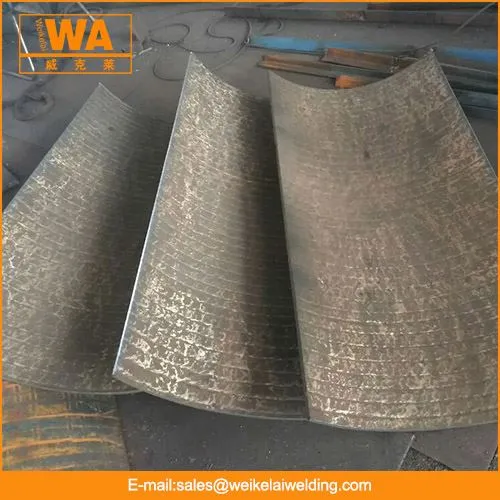
Metallic wear liners are engineered to withstand high levels of abrasion, impact, and corrosion. They are commonly used in industrial settings such as mining, cement production, and manufacturing to protect equipment from wear and tear. These liners are typically made from alloys like chromium alloy steel, which offer excellent hardness, toughness, and wear resistance.

The [Chromium Alloy Steel Mill Liners] we supply are a prime example of high - performance metallic wear liners. Chromium alloy steel contains chromium, which forms a hard and stable oxide layer on the surface, providing protection against corrosion and abrasion. The addition of other elements such as nickel, molybdenum, and vanadium further enhances the mechanical properties of the alloy, making it suitable for demanding applications.
Another important characteristic of metallic wear liners is their ability to be customized. We can adjust the composition, thickness, and shape of the liners according to the specific requirements of the application. This flexibility allows us to provide solutions that are tailored to the unique needs of our customers.
Potential Medical Applications
Orthopedic Implants
One of the most promising areas for the use of metallic wear liners in medicine is orthopedic implants. In joint replacement surgeries, such as hip and knee replacements, the articulating surfaces of the implants are subject to significant wear over time. Metallic wear liners could potentially be used to improve the durability and performance of these implants.
For example, a metallic wear liner could be used as a bearing surface in a hip implant. The hard and wear - resistant properties of the liner would reduce the amount of wear debris generated during normal joint movement. Wear debris is a major concern in orthopedic implants as it can cause inflammation, osteolysis (bone loss), and ultimately lead to implant failure. By using a metallic wear liner, the lifespan of the implant could be extended, reducing the need for revision surgeries.
Dental Applications
In the field of dentistry, metallic wear liners could also find applications. Dental restorations, such as crowns and bridges, are often subject to wear from chewing forces. A metallic wear liner could be incorporated into these restorations to enhance their durability.
For instance, a thin metallic wear liner could be placed on the occlusal (biting) surface of a dental crown. This would protect the underlying dental material from wear, ensuring a longer - lasting restoration. Additionally, the biocompatibility of certain metals used in wear liners could make them suitable for use in the oral cavity.
Surgical Instruments
Surgical instruments are exposed to repeated use and contact with tissues and bones, which can cause wear and damage. Metallic wear liners could be used to coat the working surfaces of surgical instruments, such as forceps, scissors, and drills.
The wear - resistant properties of the liner would prevent the instrument from dulling or deforming over time, ensuring precise and reliable performance during surgeries. This could improve the safety and effectiveness of surgical procedures.
Challenges and Considerations
Biocompatibility
One of the major challenges in using metallic wear liners in medical applications is ensuring their biocompatibility. When a material is implanted in the human body, it must not cause an adverse immune response or release harmful substances.
Some metals, such as nickel, can cause allergic reactions in certain individuals. Therefore, careful selection of the metal alloy for the wear liner is crucial. We need to choose alloys that are known to be biocompatible, such as titanium - based alloys or cobalt - chromium alloys. These alloys have been widely used in medical implants and have a proven track record of biocompatibility.
Corrosion
In the physiological environment of the human body, metals are susceptible to corrosion. Corrosion can lead to the release of metal ions, which can have toxic effects on the body. To prevent corrosion, the metallic wear liner must be properly coated or treated.
For example, a passivation treatment can be applied to the surface of the liner to form a protective oxide layer. This layer acts as a barrier, preventing the metal from coming into contact with the body fluids and reducing the risk of corrosion.
Wear Debris
Although metallic wear liners are designed to be wear - resistant, some wear debris may still be generated over time. As mentioned earlier, wear debris can cause inflammation and other complications in the body. Therefore, it is important to minimize the generation of wear debris.
This can be achieved through proper design of the implant or instrument, as well as by using advanced manufacturing techniques to ensure a smooth and precise surface finish on the wear liner.
Future Prospects
Despite the challenges, the potential benefits of using metallic wear liners in medical applications are significant. With ongoing research and development, we can expect to see improvements in the biocompatibility, corrosion resistance, and wear performance of these liners.
Advances in materials science may lead to the development of new metal alloys specifically designed for medical use. These alloys could offer enhanced properties such as better biocompatibility, lower friction coefficients, and improved wear resistance.
In addition, the use of surface engineering techniques, such as coatings and surface treatments, will continue to play an important role in improving the performance of metallic wear liners in medical applications. These techniques can be used to modify the surface properties of the liner, making it more suitable for use in the human body.
Conclusion
In conclusion, the use of metallic wear liners in medical applications is a promising area of research and development. While there are challenges to overcome, such as biocompatibility, corrosion, and wear debris, the potential benefits in terms of improved durability and performance of medical devices are substantial.
As a supplier of [Metallic Wear Liners], we are committed to working with the medical community to explore the possibilities of using our products in medical applications. We have the expertise and resources to develop customized solutions that meet the specific requirements of medical devices.
If you are interested in learning more about our metallic wear liners and their potential applications in the medical field, or if you are looking for a reliable supplier for your medical device manufacturing needs, please feel free to contact us for further discussion and potential procurement. We are eager to engage in in - depth conversations and explore how our [Metallic Wear Liners] can contribute to the advancement of medical technology.
References
- Williams, D. F. (2008). On the mechanisms of biocompatibility. Biomaterials, 29(20), 2941 - 2953.
- Jacobs, J. J., Roebuck, K. A., Urban, R. M., & Gilbert, J. L. (1998). Mechanisms of disease: wear and the biological response to wear debris in total joint replacement. The Lancet, 351(9106), 1080 - 1085.
- Black, J., & Hastings, G. (Eds.). (1998). Handbook of biomaterials evaluation: scientific, technical, and clinical testing of implant materials. Chapman & Hall.



