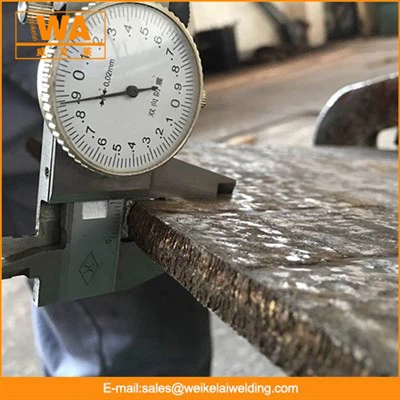
Yo, folks! As a supplier of Hardox steel plates, I've gotten tons of questions about how these bad boys perform in low - temperature environments. So, I thought I'd take the time to break it down for you.
First off, let's talk a bit about what Hardox steel plates are. They're high - strength wear - resistant steel plates that are used in a whole bunch of industries, from mining and construction to agriculture and transportation. These plates are known for their toughness and durability, but how do they hold up when the mercury drops?
Mechanical Properties in Low Temperatures
One of the key things to consider when looking at how Hardox steel plates perform in low - temperature environments is their mechanical properties. At low temperatures, metals can become more brittle, which means they're more likely to crack or break under stress. But Hardox steel plates are designed to resist this kind of brittleness.
The secret lies in their composition and the way they're manufactured. Hardox steel is made with a careful blend of alloying elements, like carbon, manganese, and chromium. These elements work together to give the steel its high strength and toughness. During the manufacturing process, the steel is heat - treated to achieve a specific microstructure that enhances its performance in different conditions, including low temperatures.
Tests have shown that Hardox steel plates maintain a relatively high level of impact toughness even at extremely low temperatures. For example, in some cold - climate regions where temperatures can drop to - 40°C or lower, Hardox steel plates used in mining equipment continue to function well. They can withstand the constant impacts and abrasions that come with the job, without showing signs of significant cracking or failure.
Weldability in Cold Conditions
Another important aspect is weldability. In many applications, Hardox steel plates need to be welded to other components to form a complete structure. Welding in low - temperature environments can be tricky because the cold can cause the weld to cool too quickly, leading to issues like cracking.
But Hardox steel has good weldability, even in cold conditions. However, it's important to follow the right welding procedures. Pre - heating the steel before welding is often recommended to reduce the risk of cracking. This helps to slow down the cooling rate of the weld and allows the metal to solidify properly.


As a supplier, I always make sure to provide my customers with detailed welding guidelines. These guidelines include information on pre - heating temperatures, welding parameters, and post - weld heat treatment if necessary. By following these guidelines, my customers can ensure that their welded Hardox steel structures are strong and reliable, even in low - temperature environments.
Corrosion Resistance in Cold and Wet Conditions
In low - temperature environments, there's often a lot of moisture around, either in the form of snow, ice, or condensation. This moisture can lead to corrosion if the steel isn't properly protected. Hardox steel plates have a certain level of corrosion resistance, but it's still important to take precautions.
The surface of Hardox steel can be treated with protective coatings to enhance its corrosion resistance. There are different types of coatings available, such as epoxy coatings and zinc - rich primers. These coatings act as a barrier between the steel and the moisture, preventing rust from forming.
In addition, proper maintenance is crucial. Regular inspections should be carried out to check for any signs of coating damage or corrosion. If any issues are found, the coatings can be repaired or reapplied to keep the steel in good condition.
Applications in Low - Temperature Industries
Hardox steel plates are used in a wide range of applications in low - temperature industries. For example, in the Arctic oil and gas industry, Hardox steel is used to make pipelines, storage tanks, and offshore platforms. These structures need to withstand the harsh cold, strong winds, and icy conditions.
In the transportation industry, Hardox steel is used in the construction of trucks and trailers that operate in cold regions. The high strength and wear resistance of the steel ensure that the vehicles can handle the rough roads and heavy loads, even in freezing temperatures.
In the mining industry, as mentioned earlier, Hardox steel plates are used in equipment like crushers, conveyors, and buckets. The ability of the steel to maintain its toughness and wear resistance in low - temperature environments is crucial for the efficient operation of these machines.
Comparing with Other Materials
When it comes to choosing the right material for low - temperature applications, it's always a good idea to compare Hardox steel with other options. For instance, some traditional steels may not perform as well in cold conditions. They may become too brittle and prone to cracking, which can lead to costly repairs and downtime.
On the other hand, Cladding Steel Plate and Overlay Wear Plate are also used in wear - resistant applications. While they have their own advantages, Hardox steel offers a unique combination of high strength, toughness, and weldability, especially in low - temperature environments. Bimetallic Wear Resistant Material is another option, but Hardox steel's single - piece construction often makes it more suitable for certain applications where a uniform structure is required.
Conclusion
So, to sum it up, Hardox steel plates perform really well in low - temperature environments. Their high strength, toughness, weldability, and corrosion resistance make them a top choice for a variety of industries operating in cold climates. Whether you're in the oil and gas, transportation, or mining business, Hardox steel can help you build reliable and long - lasting structures and equipment.
If you're in the market for Hardox steel plates and want to learn more about how they can meet your specific needs in low - temperature applications, don't hesitate to reach out. I'm here to answer all your questions and help you make the right choice. Let's start a conversation about your project and see how Hardox steel can be a game - changer for you.
References
- ASTM International. "Standard Test Methods for Charpy Impact Testing of Metallic Materials."
- SSAB, the manufacturer of Hardox steel. Technical literature on Hardox steel properties and applications.
- Industry reports on the use of wear - resistant steels in low - temperature industries.