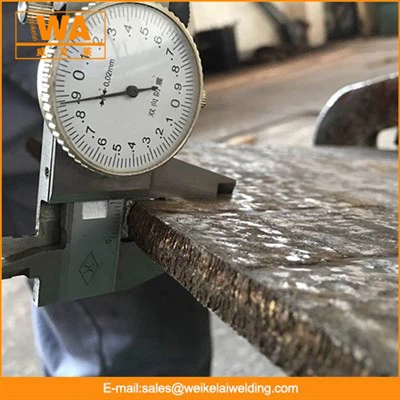
In the realm of industrial piping systems, the demand for high - performance pipes is ever - increasing. As a prominent supplier of Bent Cladding Pipes, I am frequently asked about the heat - resistance properties of these specialized pipes. In this blog, I will delve into the heat - resistance characteristics of bent cladding pipes, their significance in various industries, and how they outperform traditional pipes in high - temperature environments.


Understanding Bent Cladding Pipes
Bent cladding pipes are a type of composite pipe that combines the advantages of a base pipe and a cladding layer. The base pipe provides the structural integrity and mechanical strength, while the cladding layer offers enhanced properties such as wear resistance, corrosion resistance, and heat resistance. The bending process further adds to their versatility, allowing them to be used in complex piping layouts.
Heat - Resistance Mechanisms of Bent Cladding Pipes
The heat - resistance of bent cladding pipes is primarily attributed to the materials used in the cladding layer. Most commonly, high - nickel alloys, stainless steels, or ceramic materials are employed. These materials have excellent thermal stability and can withstand high temperatures without significant degradation.
High - nickel alloys, for example, have a high melting point and good oxidation resistance. They form a protective oxide layer on the surface when exposed to high temperatures, which acts as a barrier against further oxidation and heat transfer. This oxide layer helps to maintain the integrity of the cladding layer and prevents the base pipe from being directly exposed to the high - temperature environment.
Stainless steels also possess good heat - resistance properties. They contain elements such as chromium and nickel, which contribute to their ability to resist oxidation and corrosion at elevated temperatures. The austenitic stainless steels, in particular, have excellent thermal stability and can be used in applications where the temperature reaches up to 800 - 900°C.
Ceramic materials, on the other hand, are known for their exceptional heat - resistance. They have extremely high melting points and low thermal conductivity. When used as a cladding layer, ceramic materials can effectively insulate the base pipe from high - temperature sources, reducing the heat transfer and protecting the pipe from thermal stress.
Significance of Heat Resistance in Different Industries
Power Generation
In power generation plants, whether it is a coal - fired, gas - fired, or nuclear power plant, high - temperature pipes are crucial for transporting steam, hot gases, and other fluids. Bent cladding pipes with excellent heat - resistance properties are used in the boiler systems, steam turbines, and exhaust ducts. They can withstand the high temperatures generated during the combustion process and ensure the reliable operation of the power generation equipment. For instance, in a coal - fired power plant, the pipes that carry the hot flue gases from the boiler to the air pre - heater need to have good heat - resistance to prevent corrosion and erosion caused by the high - temperature and abrasive nature of the flue gases.
Petrochemical Industry
The petrochemical industry involves processes such as refining, cracking, and distillation, which often operate at high temperatures and pressures. Bent cladding pipes are used in reactors, heat exchangers, and pipelines to transport various chemicals and hydrocarbons. The heat - resistance of these pipes is essential to prevent the degradation of the pipes due to the high - temperature and corrosive nature of the chemicals. For example, in a cracking unit, the pipes that carry the high - temperature feedstock need to be able to withstand the extreme conditions without losing their mechanical properties.
Metallurgical Industry
In the metallurgical industry, high - temperature processes such as steelmaking, casting, and forging require pipes that can handle the intense heat. Bent cladding pipes are used in the furnace systems, ladle transfer lines, and cooling systems. They can resist the high temperatures and the abrasive wear caused by the molten metals and slag. For instance, in a steelmaking furnace, the pipes that supply the oxygen and fuel need to have good heat - resistance to ensure the efficient operation of the furnace and prevent premature failure of the pipes.
Comparison with Traditional Pipes
Traditional pipes, such as carbon steel pipes, have limited heat - resistance. When exposed to high temperatures, carbon steel pipes can undergo oxidation, decarburization, and loss of strength. They may also experience thermal expansion and contraction, which can lead to cracking and leakage. In contrast, bent cladding pipes with their heat - resistant cladding layers can significantly improve the performance and service life of the pipes in high - temperature environments.
The cladding layer acts as a shield, protecting the base pipe from the direct effects of high temperatures. It reduces the rate of oxidation and corrosion, and also minimizes the thermal stress on the base pipe. This results in fewer maintenance requirements and longer intervals between pipe replacements, leading to cost savings for the end - users.
Our Offerings as a Bent Cladding Pipe Supplier
As a leading supplier of Bent Cladding Pipes, we offer a wide range of products with different heat - resistance capabilities. Our pipes are manufactured using advanced cladding techniques to ensure a strong bond between the base pipe and the cladding layer. We use high - quality materials for the cladding layer, carefully selected based on the specific requirements of the application.
We also provide customized solutions to meet the unique needs of our customers. Whether it is a specific temperature range, chemical environment, or pipe size, we can design and manufacture bent cladding pipes that are tailored to the customer's specifications. Our team of experts is always available to provide technical support and advice on the selection and installation of our pipes.
If you are interested in our Wear Resistant Pipe, Hardfacing Abrasion Elbows, or Wear Resistant Straight Pipe, please feel free to contact us for more information. We are committed to providing high - quality products and excellent service to our customers. Our bent cladding pipes can offer reliable heat - resistance solutions for your industrial applications, ensuring the smooth operation of your equipment and reducing your overall operating costs.
If you have any questions or are looking to purchase our bent cladding pipes, we encourage you to reach out to us for a detailed discussion. Our experienced sales team will be more than happy to assist you in finding the most suitable products for your specific needs.
References
- ASM Handbook Volume 13A: Corrosion: Fundamentals, Testing, and Protection. ASM International.
- Perry's Chemical Engineers' Handbook. McGraw - Hill Education.
- Tien, J. (1992). High - Temperature Oxidation and Corrosion of Metals. Elsevier.