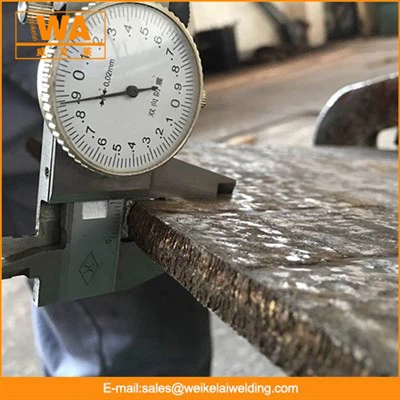
Hey there! As a supplier of Bimetal Wear Plate, I'm super excited to take you through the manufacturing process of this amazing product. Bimetal wear plates are widely used in various industries due to their excellent wear resistance and durability. So, let's dive right in!
Raw Material Selection
The first step in making bimetal wear plates is choosing the right raw materials. We typically use two different types of metals. One is a base metal, which provides the structural strength, and the other is a wear - resistant alloy.
For the base metal, carbon steel is a popular choice. It's strong, readily available, and cost - effective. Carbon steel has good ductility and can withstand the stresses and strains during the manufacturing process and in service. On the other hand, the wear - resistant alloy is often a high - chromium alloy. High - chromium alloys have excellent hardness and wear resistance, making them perfect for protecting the base metal from abrasion.
You can learn more about different types of wear - resistant materials on our Wear Resistant Steel page.
Preparation of the Base Plate
Once the raw materials are selected, we start preparing the base plate. The base plate is cut to the desired size and shape using cutting machines. Laser cutting is a common method as it provides high precision and a clean cut. After cutting, the edges of the base plate are beveled. Beveling helps in the subsequent welding process, ensuring better fusion between the base metal and the wear - resistant alloy.
Next, the base plate is cleaned thoroughly. Any dirt, rust, or oil on the surface can affect the quality of the weld. We use chemical cleaners and mechanical methods like sandblasting to remove impurities from the base plate surface. This clean surface is crucial for a strong bond between the base metal and the wear - resistant layer.
Deposition of the Wear - Resistant Layer
The most critical part of the manufacturing process is depositing the wear - resistant layer onto the base plate. There are several methods to do this, but the most commonly used one is overlay welding.
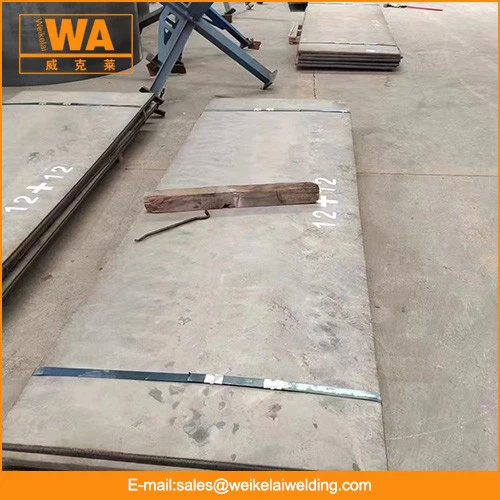

In overlay welding, a welding torch is used to melt the wear - resistant alloy wire or powder onto the surface of the base plate. As the alloy melts, it fuses with the base metal, creating a strong and continuous wear - resistant layer. The welding parameters such as current, voltage, and welding speed need to be carefully controlled to ensure a uniform and high - quality layer.
Another popular method is thermal spraying. In thermal spraying, the wear - resistant material is heated to a molten or semi - molten state and then sprayed onto the base plate using a high - velocity gas stream. This method can produce a very thin and dense wear - resistant coating. You can find more information about a similar coating on our Chromium Carbide Coating page.
Heat Treatment
After the wear - resistant layer is deposited, the bimetal wear plate undergoes heat treatment. Heat treatment helps to relieve the internal stresses generated during the welding process. It also improves the hardness and toughness of the wear - resistant layer.
The heat treatment process typically involves heating the plate to a specific temperature and then cooling it at a controlled rate. There are different types of heat treatment, such as annealing, quenching, and tempering. The choice of heat treatment depends on the specific requirements of the bimetal wear plate and the materials used.
Quality Inspection
Quality inspection is an essential step in the manufacturing process. We use various non - destructive testing methods to check the quality of the bimetal wear plate. Ultrasonic testing is used to detect internal defects such as cracks or porosity in the wear - resistant layer. Magnetic particle testing can be used to detect surface and near - surface defects in ferromagnetic materials.
In addition to non - destructive testing, we also perform hardness testing. A hardness tester is used to measure the hardness of the wear - resistant layer and the base metal. This ensures that the plate meets the required hardness specifications.
Finishing
Once the quality inspection is passed, the bimetal wear plate goes through the finishing process. The surface of the plate is ground to achieve a smooth finish. A smooth surface not only looks better but also reduces friction in some applications. You can explore our Smooth Wear Plate options to see how a smooth finish can benefit your projects.
Finally, the bimetal wear plate is painted or coated to protect it from corrosion during storage and transportation.
Applications of Bimetal Wear Plates
Bimetal wear plates have a wide range of applications. In the mining industry, they are used in chutes, hoppers, and conveyor systems to protect against the abrasion caused by rocks and minerals. In the cement industry, bimetal wear plates are used in kilns, crushers, and mills to resist the wear from cement clinker.
In the power generation industry, they are used in coal - handling equipment to prevent wear from coal particles. The excellent wear resistance of bimetal wear plates helps to extend the service life of equipment and reduce maintenance costs.
Why Choose Our Bimetal Wear Plates
As a supplier, we take pride in our high - quality bimetal wear plates. We have a team of experienced engineers and technicians who ensure that every plate is manufactured to the highest standards. Our strict quality control measures guarantee that you get a reliable and durable product.
We also offer customization services. Whether you need a specific size, shape, or wear - resistant layer thickness, we can meet your requirements. Our products are competitively priced, and we provide excellent after - sales service.
Contact Us for Procurement
If you're interested in purchasing bimetal wear plates for your project, don't hesitate to reach out to us. We're here to answer all your questions and provide you with the best solutions. Our team can help you choose the right type of bimetal wear plate based on your specific needs.
We believe that our bimetal wear plates can significantly improve the performance and longevity of your equipment. So, why wait? Start the conversation with us today and let's work together to find the perfect wear - resistant solution for your business.
References
- ASM Handbook Volume 6: Welding, Brazing, and Soldering
- Wear Control Handbook by Peter J. Blau