Hey there! I'm in the business of supplying Conveyor Wear Liners, and I often get asked, "How do conveyor wear liners work?" Well, let's dive right into it and break down this important topic.
What Are Conveyor Wear Liners?
First off, let's clarify what conveyor wear liners are. Conveyor wear liners are protective materials that are installed inside conveyors. These liners act as a shield between the conveyor's structure and the materials being transported. They're crucial for industries that rely on conveyors to move all sorts of stuff, from raw minerals in mining to grains in agriculture.
You can check out more about Conveyor Wear Liners on our website. There, you'll find a wide range of options suitable for different conveyor systems and applications.
How Do They Work?
1. Reducing Friction
One of the primary ways conveyor wear liners work is by reducing friction. When materials move along a conveyor, they rub against the conveyor's surface. This friction can cause significant wear and tear over time, leading to costly repairs and downtime.
Wear liners are made from materials that have low friction coefficients. For example, some liners are made of polymers like ultra-high-molecular-weight polyethylene (UHMWPE). These materials allow the conveyed materials to slide smoothly over the liner, minimizing the frictional forces. As a result, the conveyor's components, such as the belt and the frame, experience less stress and last longer.
2. Absorbing Impact
In many industries, the materials being transported are heavy and can cause a lot of impact when they hit the conveyor. This impact can damage the conveyor's structure, leading to cracks and other structural issues.
Conveyor wear liners are designed to absorb this impact energy. They act as a cushion, spreading the force of the impact over a larger area. For instance, rubber liners are excellent at absorbing impact. When a heavy object hits a rubber liner, the rubber deforms slightly, absorbing the energy and reducing the stress on the conveyor. This helps to prevent damage to the conveyor and ensures its smooth operation.
3. Resisting Abrasion
Abrasion is another major factor that can cause wear on conveyors. Abrasive materials, such as sand, gravel, and ore, can quickly wear away the surface of a conveyor if there's no protection.
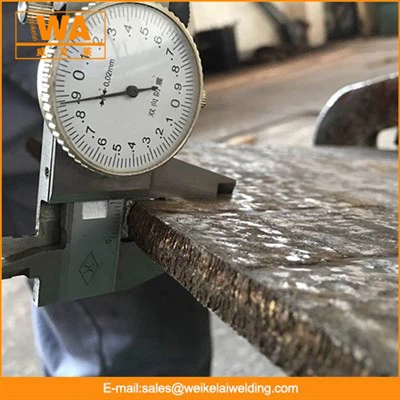
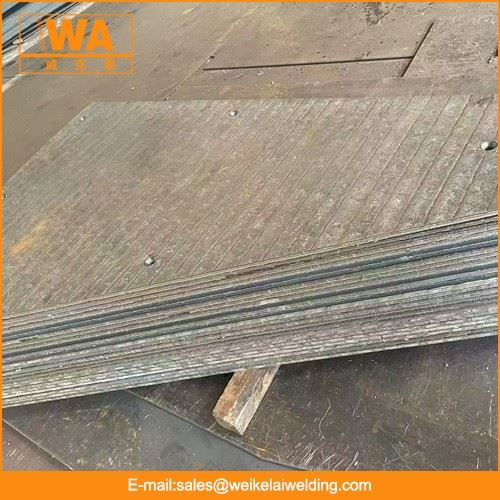
Wear liners are made from abrasion-resistant materials. For example, Chromium Alloy Steel Mill Liners are highly resistant to abrasion. These liners can withstand the constant rubbing and scraping of abrasive materials, protecting the conveyor from premature wear. By using abrasion-resistant liners, you can extend the lifespan of your conveyor and reduce maintenance costs.
4. Chemical Resistance
In some industries, the conveyed materials may be corrosive or contain chemicals that can damage the conveyor. Conveyor wear liners can provide chemical resistance, protecting the conveyor from chemical attack.
For example, some liners are made of materials that are resistant to acids, alkalis, and other chemicals. These liners act as a barrier, preventing the chemicals from coming into contact with the conveyor's structure. This is especially important in industries such as chemical processing and wastewater treatment.
Types of Conveyor Wear Liners
1. Polymer Liners
As mentioned earlier, polymer liners, such as UHMWPE, are popular for their low friction and high abrasion resistance. They're lightweight, easy to install, and have excellent chemical resistance. Polymer liners are suitable for a wide range of applications, including food processing, packaging, and general material handling.
2. Rubber Liners
Rubber liners are known for their excellent impact absorption and flexibility. They can conform to the shape of the conveyor, providing a tight seal and preventing material leakage. Rubber liners are commonly used in industries where there's a lot of impact, such as mining and quarrying.
3. Metal Liners
Metal liners, such as Chromium Alloy Steel Mill Liners, are highly durable and resistant to abrasion. They're suitable for heavy-duty applications where the conveyed materials are extremely abrasive. Metal liners can withstand high temperatures and pressures, making them ideal for use in industries such as steel manufacturing and cement production.
Benefits of Using Conveyor Wear Liners
1. Extended Conveyor Lifespan
By reducing friction, absorbing impact, resisting abrasion, and providing chemical resistance, conveyor wear liners can significantly extend the lifespan of your conveyor. This means less downtime for repairs and replacements, resulting in increased productivity and cost savings.
2. Reduced Maintenance Costs
With wear liners in place, the conveyor's components experience less wear and tear. This reduces the frequency of maintenance and repairs, saving you money on labor and replacement parts.
3. Improved Efficiency
The low friction properties of wear liners allow the conveyed materials to move more smoothly along the conveyor. This improves the efficiency of the conveyor system, reducing energy consumption and increasing throughput.
4. Customization
Conveyor wear liners can be customized to fit your specific conveyor system and application. Whether you need a liner with a specific thickness, shape, or material, we can provide a solution that meets your requirements.
Wear Protection Linings and Their Role
In addition to conveyor wear liners, Wear Protection Linings play an important role in protecting your equipment. These linings can be used in other areas of your plant, such as chutes, hoppers, and silos. They provide similar benefits to conveyor wear liners, including reducing friction, absorbing impact, and resisting abrasion.
By using wear protection linings in combination with conveyor wear liners, you can create a comprehensive wear protection solution for your entire material handling system.
Conclusion
So, there you have it! That's how conveyor wear liners work. They're essential components that can protect your conveyor from wear and tear, extend its lifespan, and improve its efficiency.
If you're in the market for conveyor wear liners or wear protection linings, we'd love to hear from you. We offer a wide range of high-quality products that are designed to meet your specific needs. Whether you're in the mining, agriculture, food processing, or any other industry, we have the right solution for you.
Contact us today to discuss your requirements and get a quote. Let's work together to keep your conveyor systems running smoothly and efficiently.

References
- "Conveyor Belt Technology Handbook" by Conveyor Equipment Manufacturers Association (CEMA)
- "Wear and Tear in Conveyor Systems: Causes and Solutions" by Industrial Maintenance Magazine
- "Materials for Wear Protection in Conveyor Systems" by Journal of Materials Science and Engineering