In the industrial landscape, protecting equipment from wear and tear is crucial for maintaining efficiency, reducing downtime, and extending the lifespan of machinery. Wear liners and other protective coatings are two primary solutions employed to achieve this goal. As a wear liners supplier, I am well - versed in the characteristics and applications of wear liners and can offer a detailed comparison with other protective coatings.
Understanding Wear Liners
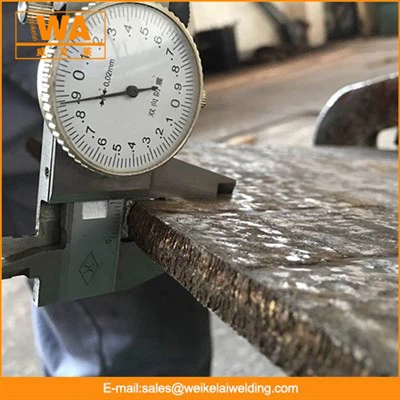
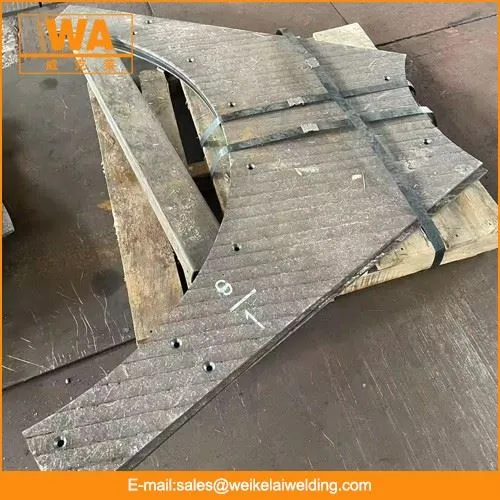
Wear liners are physical materials installed on the surfaces of equipment to absorb and resist the forces of abrasion, impact, and corrosion. They come in various forms and materials, each tailored to specific industrial needs. For example, Chromium Alloy Steel Mill Liners are highly resistant to abrasion and are commonly used in mining and milling operations. These liners are made from high - quality chromium alloy steel, which provides excellent hardness and toughness, making them suitable for withstanding the harsh conditions inside ball mills and other grinding equipment.
Wear Protection Linings are another type of wear liner that can be customized for different applications. They are often used in industries such as cement production, power generation, and chemical processing. These linings can be made from materials like rubber, ceramic, or composite materials, depending on the specific requirements of the equipment. For instance, rubber liners are flexible and can absorb impact well, while ceramic liners offer extremely high hardness and wear resistance.
Conveyor Wear Liners are designed to protect conveyor belts and chutes from the continuous flow of abrasive materials. They prevent premature wear and tear of the conveyor components, reducing maintenance costs and improving the overall efficiency of the conveyor system. These liners can be easily installed and replaced, making them a practical choice for industries with high - volume material handling.
Other Protective Coatings
On the other hand, protective coatings are thin layers applied to the surface of equipment to provide a barrier against wear, corrosion, and chemical attack. Some common types of protective coatings include epoxy coatings, polyurethane coatings, and ceramic coatings.
Epoxy coatings are known for their excellent adhesion and chemical resistance. They are often used in industrial environments where equipment is exposed to chemicals, solvents, and moisture. Epoxy coatings can form a hard, durable surface that protects the underlying metal from corrosion and abrasion. However, they may have limitations in terms of impact resistance and may not be suitable for applications with high - energy impacts.
Polyurethane coatings offer good flexibility and abrasion resistance. They are commonly used in applications where the equipment is subject to dynamic forces and movement. Polyurethane coatings can withstand some degree of deformation without cracking, making them suitable for coatings on machinery parts that experience vibration or minor impacts.
Ceramic coatings are extremely hard and have high wear resistance. They are often used in high - performance applications where extreme abrasion and heat resistance are required. However, ceramic coatings can be brittle and may crack under high - impact loads. Additionally, the application of ceramic coatings requires specialized equipment and expertise, which can increase the overall cost.
Performance Comparison
Abrasion Resistance
Wear liners generally have a higher abrasion resistance compared to many protective coatings. For example, ceramic wear liners can withstand the continuous rubbing and scraping of abrasive materials much better than most epoxy or polyurethane coatings. The thick and solid nature of wear liners allows them to absorb and dissipate the energy of abrasion, while coatings may wear off more quickly under the same conditions.
Impact Resistance
In terms of impact resistance, wear liners also have an edge. Rubber wear liners, in particular, can absorb high - energy impacts without damage. They act as a shock absorber, protecting the underlying equipment. Protective coatings, especially ceramic coatings, are more likely to crack or chip when subjected to high - impact forces.
Chemical Resistance
Both wear liners and protective coatings can offer good chemical resistance. However, the choice depends on the specific chemicals involved. Some wear liners made from specialized polymers or ceramics can resist a wide range of chemicals. Similarly, epoxy coatings are well - known for their chemical resistance. The key is to select the appropriate material based on the chemical environment of the application.

Installation and Maintenance
Installing wear liners can be more labor - intensive compared to applying protective coatings. Wear liners often require mechanical fastening or bonding, which may involve more complex procedures. However, once installed, wear liners are generally easier to maintain and replace. If a wear liner is damaged, it can be simply removed and replaced with a new one. In contrast, repairing a damaged coating may require stripping the old coating and reapplying a new one, which can be time - consuming and costly.
Cost - effectiveness
The cost - effectiveness of wear liners and protective coatings depends on the specific application and the expected lifespan. In the long run, wear liners may be more cost - effective for applications with high - wear conditions. Although the initial installation cost of wear liners may be higher, their longer lifespan and lower maintenance requirements can result in lower overall costs. Protective coatings may be a more economical option for applications with lower wear rates or where a quick and easy solution is needed.
Applications and Suitability
Wear liners are ideal for applications where heavy - duty protection is required. In the mining industry, for example, wear liners are used in crushers, mills, and conveyor systems to protect against the abrasive action of rocks and minerals. In the cement industry, wear liners are installed in kilns and silos to prevent wear from the abrasive cement powder.
Protective coatings are more suitable for applications where a smooth surface finish is desired or where the equipment has complex shapes. For example, in the automotive industry, protective coatings are used on engine components to reduce friction and improve performance. In the aerospace industry, coatings are applied to aircraft surfaces to protect against corrosion and environmental damage.
Conclusion
In summary, wear liners and other protective coatings each have their own advantages and disadvantages. Wear liners offer superior abrasion and impact resistance, are easier to maintain and replace, and can be more cost - effective in high - wear applications. Protective coatings, on the other hand, are suitable for applications where a smooth finish, complex shapes, or quick application is required.
As a wear liners supplier, I understand that choosing the right solution for your equipment is crucial. We offer a wide range of high - quality wear liners that can be customized to meet your specific needs. Whether you are in the mining, cement, power generation, or any other industry, we have the expertise and products to provide effective wear protection.
If you are looking for reliable wear protection solutions for your industrial equipment, I encourage you to contact me to discuss your requirements. We can provide detailed technical information, samples, and competitive quotes. Let's work together to ensure the long - term performance and durability of your equipment.
References
- ASTM International. (20XX). Standards for wear testing and evaluation of protective materials. ASTM Publications.
- Industrial Equipment Handbook. (20XX). Wear protection solutions. Industrial Publishing.