Wear resistant alloys have long been the cornerstone of industries that demand high - performance materials capable of withstanding extreme conditions. From mining and construction to manufacturing, these alloys have proven their worth time and time again. But the question that arises is, can wear resistant alloys be used in household appliances? As a supplier of wear resistant alloys, I'm here to delve into this topic and explore the possibilities.
The Properties of Wear Resistant Alloys
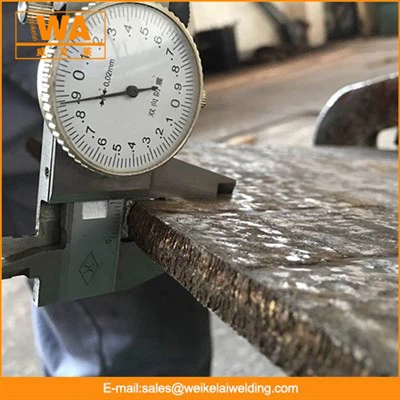
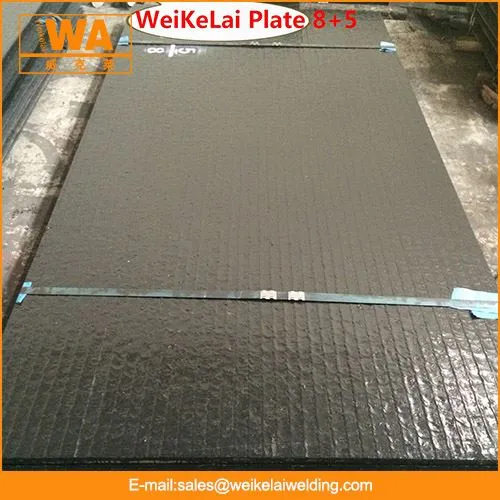
Wear resistant alloys are engineered to resist abrasion, erosion, and corrosion. These alloys typically contain elements such as chromium, nickel, molybdenum, and tungsten, which contribute to their exceptional hardness and durability. For example, Abrasion Resistant Steel Plate is known for its high - strength and ability to withstand heavy wear. It is often used in industrial applications where materials are in constant contact with abrasive substances.
Tungsten Carbide Plate is another type of wear resistant alloy. Tungsten carbide is extremely hard, even harder than most steels. It has excellent wear resistance and can maintain its shape and performance under high - pressure and high - temperature conditions. On the other hand, Manganese Wear Plate is valued for its work - hardening properties. When subjected to impact, the surface of the manganese wear plate hardens, providing increased resistance to wear.
Potential Applications in Household Appliances
Kitchen Appliances
In kitchen appliances, wear resistant alloys could have a significant impact. Take blenders and food processors, for example. The blades of these appliances are constantly in contact with hard food items such as ice, nuts, and bones. Over time, the blades can become dull, reducing the efficiency of the appliance. By using wear resistant alloys for the blades, the sharpness and cutting performance can be maintained for a much longer period.
Ovens also present an opportunity for the use of wear resistant alloys. The interior of an oven is exposed to high temperatures and thermal cycling, which can cause the surface to degrade over time. A wear resistant alloy lining could protect the oven walls from scratches and abrasions, as well as resist corrosion caused by food spills and cleaning agents.
Laundry Appliances
In washing machines and dryers, wear resistant alloys could improve the durability of key components. The drum of a washing machine is constantly in motion, and it comes into contact with clothes, zippers, and buttons. A wear resistant alloy drum would be less likely to develop scratches and dents, which can damage clothes and reduce the lifespan of the appliance. Similarly, the moving parts in a dryer, such as the belts and pulleys, could benefit from wear resistant alloy coatings to reduce friction and wear.
Vacuum Cleaners
Vacuum cleaners are used to pick up dirt, dust, and debris, which can cause wear on the suction nozzles and brushes. By using wear resistant alloys in these components, the suction power and cleaning efficiency can be maintained over a longer period. The nozzles would be less likely to clog, and the brushes would stay effective at agitating and lifting dirt from carpets and floors.
Advantages of Using Wear Resistant Alloys in Household Appliances
Extended Lifespan
One of the most significant advantages of using wear resistant alloys in household appliances is the extended lifespan of the products. Consumers are always looking for appliances that can last longer, and wear resistant alloys can help achieve this goal. By reducing wear and tear on critical components, appliances can operate more efficiently for a longer time, reducing the need for frequent replacements.
Improved Performance
Wear resistant alloys can also improve the performance of household appliances. For example, in a blender with wear resistant alloy blades, the blending process will be more consistent and efficient. The blades will be able to cut through tough ingredients more easily, resulting in smoother purees and better - blended drinks. In a vacuum cleaner, wear resistant components will ensure that the suction power remains strong, providing better cleaning results.
Reduced Maintenance
Appliances made with wear resistant alloys require less maintenance. Since the components are more resistant to wear, there is less need for frequent repairs and part replacements. This not only saves consumers money but also reduces the environmental impact associated with the disposal of worn - out parts.
Challenges and Considerations
Cost
One of the main challenges of using wear resistant alloys in household appliances is the cost. Wear resistant alloys are often more expensive than traditional materials due to the complex manufacturing processes and the use of high - value elements. This increased cost may be passed on to the consumer, making the appliances more expensive. However, in the long run, the extended lifespan and reduced maintenance costs may offset the initial higher price.
Manufacturing Complexity
Manufacturing household appliances with wear resistant alloys may also be more complex. Specialized manufacturing techniques may be required to shape and process these alloys, which can increase production time and cost. Additionally, the design of the appliances may need to be adjusted to accommodate the properties of the wear resistant alloys.

Compatibility with Other Materials
Another consideration is the compatibility of wear resistant alloys with other materials used in household appliances. For example, in a washing machine, the wear resistant alloy drum needs to be compatible with the rubber gaskets and seals to prevent leakage. Ensuring proper compatibility can be a challenge during the design and manufacturing process.
Conclusion
In conclusion, wear resistant alloys have great potential for use in household appliances. Their unique properties, such as high hardness, durability, and resistance to abrasion, erosion, and corrosion, make them suitable for a variety of applications in the home. While there are challenges such as cost and manufacturing complexity, the advantages of extended lifespan, improved performance, and reduced maintenance make the use of wear resistant alloys an attractive option.
As a supplier of wear resistant alloys, I am confident that with further research and development, we can overcome the challenges and make wear resistant alloys more accessible for household appliance manufacturers. If you are a manufacturer interested in exploring the use of wear resistant alloys in your products, I encourage you to contact me for more information and to discuss potential procurement opportunities. We can work together to find the best solutions for your specific needs.
References
- ASM Handbook Committee. (2000). ASM Handbook Volume 13C: Corrosion: Materials. ASM International.
- Callister, W. D., & Rethwisch, D. G. (2014). Materials Science and Engineering: An Introduction. Wiley.
- Davis, J. R. (2001). Handbook of Wear - Resistant Materials. ASM International.