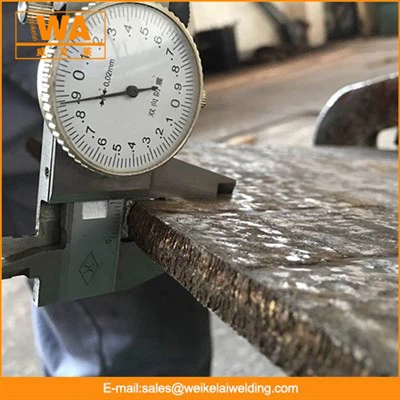
Hey there! As a supplier of Alloy Steel Plates, I often get asked about the electrical conductivity of these plates. So, I thought I'd write this blog to share some insights on this topic.
First off, let's understand what alloy steel plates are. Alloy steel is basically steel that has had other elements added to it in small amounts. These elements can include things like chromium, nickel, molybdenum, and vanadium, among others. The addition of these elements gives alloy steel its unique properties, making it stronger, more durable, and resistant to wear and corrosion compared to regular carbon steel.
Now, when it comes to electrical conductivity, it's important to note that metals are generally good conductors of electricity. This is because they have free electrons that can move easily through the metal lattice when an electric field is applied. However, the electrical conductivity of a metal can be affected by several factors, and alloy steel is no exception.
One of the main factors that affects the electrical conductivity of alloy steel plates is the type and amount of alloying elements present. Different alloying elements have different effects on the movement of electrons within the steel. For example, elements like chromium and nickel can increase the resistivity of the steel, which means they decrease its electrical conductivity. On the other hand, some elements might have a relatively minor impact on conductivity.
The microstructure of the alloy steel also plays a crucial role. The way the atoms are arranged in the steel, and the presence of different phases (like ferrite, pearlite, or martensite), can influence how easily electrons can flow through the material. For instance, a more homogeneous microstructure might allow for better electron mobility compared to a microstructure with lots of defects or inhomogeneities.
Another factor is the heat treatment the alloy steel plate has undergone. Heat treatment processes like annealing, quenching, and tempering can change the microstructure of the steel, and as a result, its electrical conductivity. Annealing, for example, can relieve internal stresses and promote a more uniform microstructure, which might improve conductivity in some cases. Quenching, on the other hand, can create a hard and brittle microstructure that could potentially reduce conductivity.
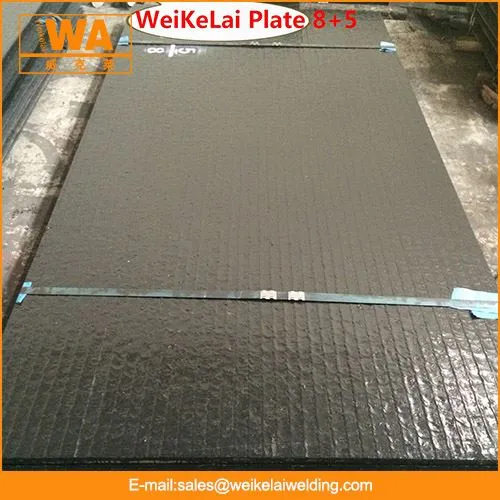

In general, the electrical conductivity of alloy steel plates is lower than that of pure metals like copper or aluminum. Copper is well - known for its excellent electrical conductivity, and it's often used in electrical wiring. Aluminum is also a good conductor and is used in power transmission lines. Alloy steel, while having its own set of advantages in terms of strength and durability, is not typically chosen for applications where high electrical conductivity is the primary requirement.
However, there are still some applications where the electrical conductivity of alloy steel plates matters. For example, in some electrical machinery, alloy steel parts might be used in areas where they need to conduct a certain amount of electricity while also withstanding mechanical stresses. In welding applications, the electrical conductivity of the alloy steel plate can affect the welding process. If the conductivity is too low, it might be more difficult to achieve a good weld.
If you're in the market for alloy steel plates, it's important to consider your specific requirements. At our company, we offer a wide range of Alloy Steel Plate with different compositions and properties. Whether you need a plate with high strength, good wear resistance, or even a specific level of electrical conductivity, we can help you find the right product.
We also have other types of plates available. For example, our High Hardness Steel Plate is ideal for applications where extreme wear resistance is needed. These plates can withstand heavy abrasion and are commonly used in mining, construction, and manufacturing industries.
Another option is our Tungsten Carbide Plate. Tungsten carbide is an extremely hard material, and our plates made from it offer excellent wear and corrosion resistance. They are often used in high - stress applications where standard steel plates might not hold up.
If you're interested in learning more about our products or have specific questions regarding the electrical conductivity of our alloy steel plates, don't hesitate to reach out. We're here to help you make the right choice for your project. Whether you're a small - scale manufacturer or a large industrial company, we can provide you with the high - quality plates you need. Contact us today to start the conversation and let's work together to find the perfect solution for your requirements.
References:
- Metals Handbook: Properties and Selection: Irons, Steels, and High - Performance Alloys, ASM International
- "Introduction to the Physical Metallurgy of Welded Structures" by Robert W. Messler Jr.
- Various research papers on alloy steel properties and electrical conductivity from academic journals.